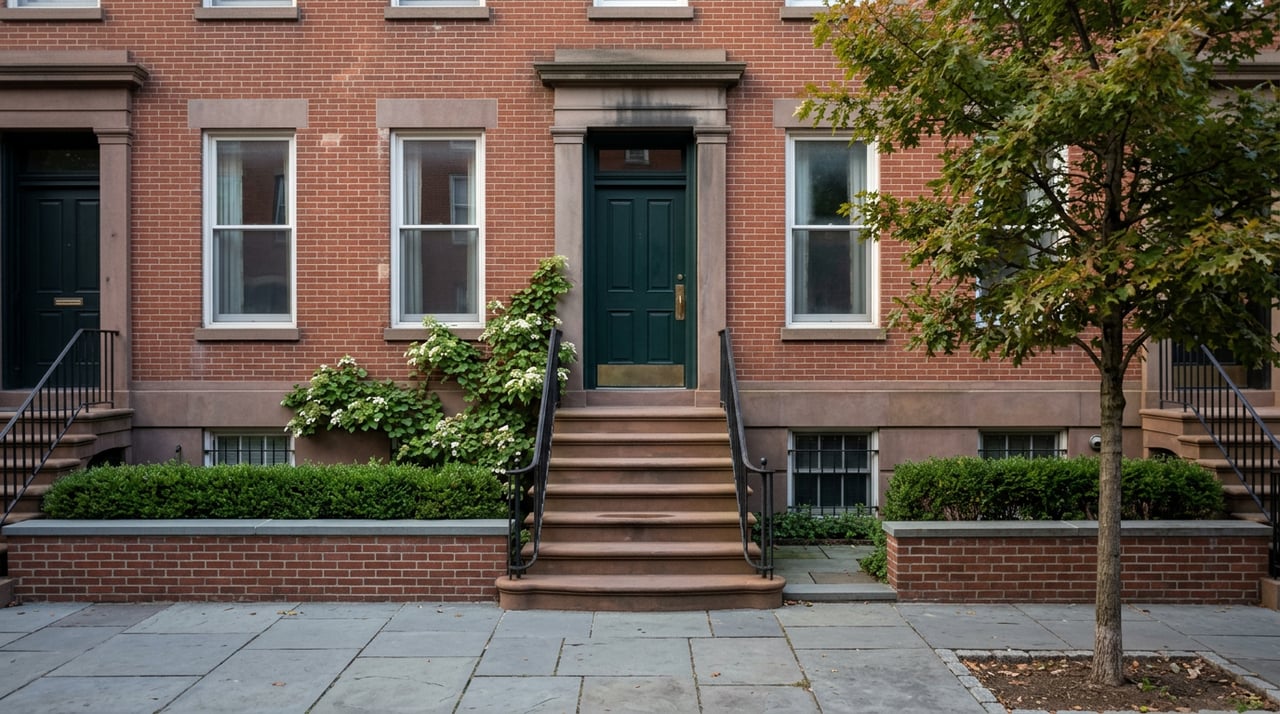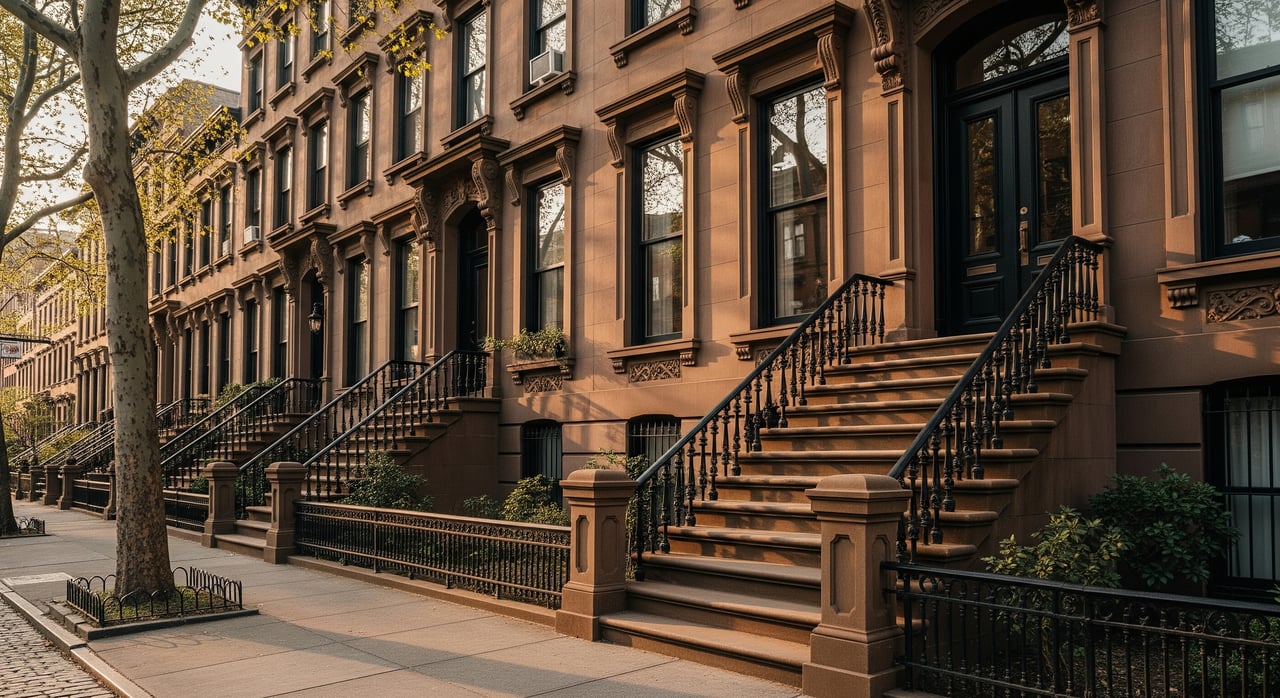
Thinking about selling your Fort Greene brownstone and unsure where to start on price? You are not alone. Townhouses in this neighborhood are unique assets, and the right number can mean the difference between multiple offers and months on the market. In this guide, you will learn a clear, local method to set a confident list price, how to use the right comps, and what factors matter most to buyers and appraisers. Let’s dive in.
What drives Fort Greene pricing
Fort Greene brownstones attract a broad buyer pool, including families, professionals, and investors. Pricing often runs higher than nearby condos because buyers value land, private outdoor space, and the flexibility to occupy a full home or generate rental income. Still, value depends on block, condition, and usability more than on any single metric.
Key brownstone features that influence price:
- Original detail and scale. Parlor floor volumes, plasterwork, mantels, and cornices add appeal and can support a premium.
- Layout and flow. Bedroom count, bathroom count, and a practical family layout can outweigh raw square footage.
- Lot and outdoor space. A deeper garden, a roof deck, and bright exposures help differentiate.
- Condition and systems. Roof, façade, foundation, electrical, plumbing, heating, and AC all affect value. Major upcoming work often leads to buyer discounts.
Use type matters, too. Single-family homes often command a higher price per square foot than multi-family properties. Two or three family brownstones introduce income valuation, and tenant status can expand or narrow your buyer pool.
Prepare your pricing file
Before you pick a number, assemble a clean, complete picture of your property. This helps you price with confidence and reduces friction during diligence.
Gather the following:
- Deed, recent tax bills, and ACRIS sales history.
- DOB records, permits, violation history, and legal unit count.
- Any landmark district status or LPC guidance for exterior work.
- Tenant leases and any rent-stabilization paperwork, if applicable.
Make targeted pre-listing moves:
- Address critical structural or system issues first. Buyers price in risk.
- Resolve open violations where possible and document permitted work.
- Consider focused updates that preserve period detail while modernizing key areas, like kitchens, baths, and HVAC.
Build a Fort Greene CMA
A bespoke comparative market analysis is the backbone of your price. Focus on true townhouse comps and document your assumptions.
Choose true comps
- Type match. Prioritize brownstones and rowhouses, not condos or co-ops.
- Time window. Use sales from the last 6 to 12 months. If volume is light, extend to 12 to 24 months.
- Proximity. Start with the same block or within 2 to 3 blocks. Expand carefully to nearby areas if needed.
- Size and lot parity. Match living area, lot dimensions, and finished lower levels when possible.
- Condition parity. Compare like with like: original, updated, or gut-renovated.
- Legal and occupancy. Separate fully vacant, owner-occupied sales from tenant-occupied or rent-stabilized properties.
Key valuation metrics
- Price per finished square foot. Useful, but adjust for layout, lot depth, and outdoor space.
- Price per room or bedroom. Helpful when square footage measurements vary.
- Income methods. For two or three family homes, use GRM or cap rate benchmarks alongside sales comps.
Make thoughtful adjustments
Quantify differences a buyer will pay for or discount:
- Lot size and private outdoor space.
- Bedroom and bathroom count, plus a finished basement or roof deck.
- Renovated kitchen and baths, preserved period detail, and modern systems.
- Legal status, permits, and tenant profile.
Small features may move value a few percentage points. Larger differences, like an added legal unit or a full gut renovation, can move value more materially. Always ground adjustments in recent local comps.
Bridge appraisal and market price
Appraisals rely on comps and, for income properties, on GRM or cap rates. In low inventory periods, buyer demand can support prices above likely appraised value. If you plan to list above the appraised range, prepare for a possible gap when buyers seek financing.
Account for legal and regulatory context
Fort Greene includes landmarked blocks and individual landmarks. Exterior changes typically require LPC approval, which affects renovation timelines and costs. Buyers factor this into value.
Zoning influences what you can build, extend, or convert. Lot-specific zoning and legal unit counts should be confirmed through official records. If a property has unpermitted work or illegal units, expect buyers to price in the cost and time to cure.
Existing tenants matter. Rent-stabilized units or in-place leases can reduce value for owner-occupier buyers and shift your likely buyer pool toward investors who use income-based pricing.
Pick your list strategy
Your pricing strategy should reflect market tempo, the property’s uniqueness, and your timeline.
- Market-rate list. Price near the expected sale price to maximize qualified traffic. This is common in active markets.
- Strategic underpricing. Price slightly below perceived value to catalyze interest and potential bidding. Works best when buyer demand is broad and comps are clear.
- Aspirational pricing. Listing too high often leads to longer days on market and reductions. Use only if time is flexible and you can support the premium with distinctive features.
Boost your achievable price
- Focus on high-impact updates. Kitchens and baths often return value, but in brownstones, preserving original detail while modernizing systems is often the smarter play.
- Clear the path for buyers. Address violations, permits, and disclosures upfront to reduce risk and support stronger offers.
- Present at a high level. Professional photos, precise floor plans, and a 3D tour help buyers understand scale and flow, which increases confidence.
Sample pricing workflow
- Confirm legal facts. Verify lot size, legal units, zoning, LPC status, and any violations.
- Analyze comps. Pull 6 to 12 recent, well-matched brownstone sales nearby and document differences.
- Apply adjustments. Quantify condition, layout, lot, outdoor space, and systems.
- Cross-check income. If multi-family, run GRM or cap rate scenarios to triangulate value.
- Set a range. Select a pricing band with clear list strategy and pre-plan reduction triggers if needed.
- Prepare for diligence. Compile disclosures, permits, and service records to support the price in negotiations.
When the buyer is an investor
For two or three family brownstones, many buyers will value based on income. Current and projected rent, tenant stability, and operating costs matter. Use GRM or cap rates alongside sales comps, and be transparent about tenant terms to keep serious investor interest.
Common pitfalls to avoid
- Using condo data to price a brownstone. Townhouses trade differently because of land, layout, and use flexibility.
- Ignoring systems and façade condition. Buyers discount for hidden costs.
- Mixing owner-occupier comps with rent-stabilized income comps. Keep data sets separate.
- Relying on distant or outdated comps. Expand thoughtfully and document why.
Ready to price with confidence?
If you want a data-driven, local CMA and premium listing presentation, we are here to help. The MINSKY | ABRISHAMI Team provides white-glove preparation, pricing backed by neighborhood comps, and disciplined weekly seller reporting to keep you in control. Request a Free Home Valuation and see how your Fort Greene brownstone stacks up today.
FAQs
How do Fort Greene brownstones compare to condos on price?
- Brownstones often command a premium because buyers value land, outdoor space, and historic character. Exact differences vary by block, condition, and usable space, so rely on local townhouse comps.
Does landmark status raise or lower resale value in Fort Greene?
- Landmark status can enhance appeal on architecturally cohesive blocks but may increase renovation time and cost. The net effect depends on buyer priorities and planned work.
How do existing tenants affect a brownstone’s price?
- Tenant-occupied or rent-stabilized units can reduce marketability for owner-occupiers and shift pricing toward investor income methods, which can lower the sale price versus a vacant, single-family home.
Should I get a pre-listing appraisal for my Fort Greene townhouse?
- A pre-listing appraisal can help align your price with lender expectations and support negotiations, especially when recent, well-matched comps are limited.
How far back should I look for comparable sales in Fort Greene?
- Aim for 6 to 12 months. If sales volume is limited for your specific property type, extend to 12 to 24 months and document your reasoning and adjustments.
What if my buyer’s appraisal comes in below the contract price?
- You can revisit comps, consider concessions, or adjust price. Be ready with documented adjustments and income analysis if multi-family to support value discussions.