Is this the year you sell in Carroll Gardens, but you are not sure when to list? Timing can shape how many buyers you reach, how quickly you go under contract, and how smoothly you close. You want a plan grounded in local rhythms, not guesswork. In this guide, you will learn when the market is most active, how co-op and condo timelines affect your strategy, and how to work backward from your ideal closing date. Let’s dive in.
Seasonal patterns in Carroll Gardens
Spring and early summer
Spring through early summer, roughly April to June, is traditionally the busiest selling season. More buyers are out, showings are easier in good weather, and families often target moves before a new school year. Inventory also rises, so you have more comparable listings to price against, and well-presented homes can attract strong interest. If you want the deepest buyer pool and potentially faster momentum, spring is a reliable window.
Late summer and fall
If you miss spring, September and October bring a second, smaller wave. Buyers return from summer, and motivated shoppers want to secure a home before winter. You may face fewer competing listings than in spring, which helps quality properties stand out. Many sellers use summer to finish improvements, then launch in early fall with fresh visuals and a crisp marketing story.
Winter and macro factors
From November through March, activity slows, but winter buyers tend to be more serious and motivated. In a neighborhood with limited inventory like Carroll Gardens, well-priced homes can still perform. Broader conditions such as interest rates and lending standards can influence which season is best in a given year. When rates are high, the spring advantage can narrow, so your pricing and presentation matter even more.
Neighborhood specifics that shape timing
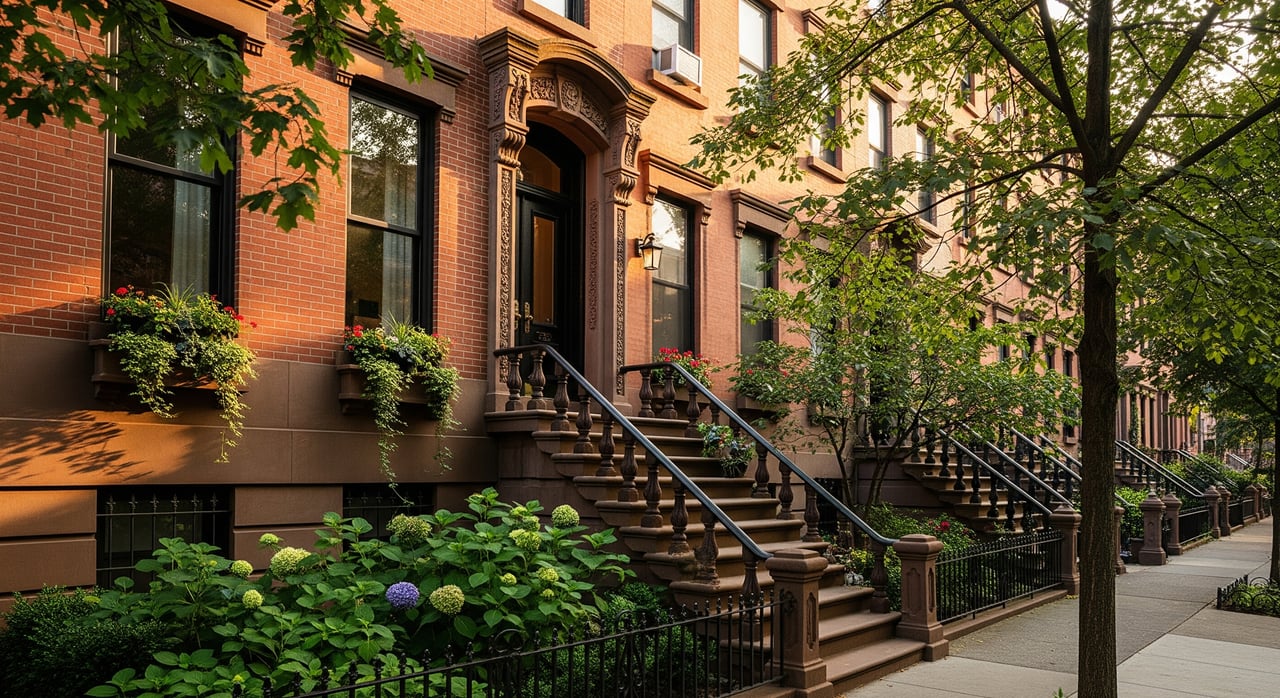
Carroll Gardens is compact and in steady demand, with a mix of historic brownstones and townhouses, low-rise condos and co-ops, and some single-family homes. Co-op approvals and building rules often shape timelines and buyer decisions. The typical buyer pool includes households drawn to the neighborhood feel, professionals who value an easy commute, and buyers who appreciate classic brownstone details.
Because inventory is historically limited relative to demand, sellers often have leverage across more months than the broader city average. Unique or thoughtfully updated properties can draw multiple offers, while homes needing extensive work may require more time and precise pricing. If you want to reach family buyers, aim for a closing that aligns with late-summer moves.
Co-op, condo, and townhouse timelines
Co-ops add steps to closing, including a board package and interview. That review can extend the process and make timelines less predictable. Condos typically close faster with fewer approval hurdles and often attract a wider range of buyers, including investors and out-of-neighborhood shoppers. Townhouses and fee-simple homes follow a different process and can attract owner-occupiers who focus on space and privacy.
As a planning baseline, condos often close in about 45 to 75 days after contract. Co-ops commonly take 60 to 120 days or more, depending on board responsiveness and financing. Cash buyers can shorten these timelines. Regardless of property type, you should budget time for attorney review, and be aware of city and state transfer taxes, recording fees, and any building-specific flip taxes that affect net proceeds.
Seller goals and timing picks
Choose your listing window based on the outcome you want. Use these quick scenarios to align your timeline.
- Maximize exposure and price potential: List in spring or early summer to capture the largest buyer pool and momentum.
- Land a late-summer closing for family moves: List 60 to 90 days ahead of your desired close, adjusting for co-op vs condo timelines.
- Favor speed and simplicity: If your property is a condo or you can target cash buyers, late summer or early fall can work well with less competition.
- Reduce competition: Consider winter, price with precision, and lean into strong digital marketing.
Pricing and marketing by season
- Spring strategy: Price to market, not above it. Combine professional photography, floor plans, video, and weekend open houses to leverage high buyer traffic. Strong presentation can spark multiple offers.
- Summer strategy: If you want to reach family buyers, coordinate inspections, contracts, and approvals so closing lands in July or August. Emphasize lifestyle details such as proximity to parks and daily conveniences.
- Fall strategy: With fewer comps on market, invest in staging and crisp photography. Highlight transit access and everyday amenities to appeal to return-to-market buyers.
- Winter strategy: Be transparent on price and timelines. Focus on indoor staging, lighting, and an enhanced online presence when foot traffic is lighter. Lean on serious buyers and less competition.
Practical seller timeline
6 to 8+ weeks before listing
- Walk through your home to identify minor repairs and cosmetic updates such as paint or fixtures.
- Get contractor estimates and schedule work with realistic timing.
- If a co-op, review the proprietary lease, house rules, and any flip-tax or transfer obligations.
2 to 3 weeks before listing
- Hire an agent who knows Carroll Gardens well.
- Engage a real estate attorney early to streamline contract prep.
- Stage the property and schedule professional photography, floor plans, and virtual tours.
Week of listing
- Launch marketing and plan open houses, typically with a strong weekend presence.
- Coordinate showing windows to build momentum in the first two weeks.
Post-acceptance to closing
- Plan for 45 to 90+ days to close, longer when a co-op board review is involved.
- If you are buying next, align contingencies and target closing windows early to avoid gaps or overlaps.
Working backward from a target close
- If you want to close before September, list 60 to 90 days in advance, adjusting for co-op vs condo timelines and buyer financing.
Pitfalls to avoid
- Chasing a single best month: Spring is typically strongest, but in a low-inventory neighborhood you can succeed year-round with the right pricing and presentation.
- Underestimating co-op lead time: Build in extra weeks for board package preparation and review, and set expectations with buyers at the outset.
- Ignoring macro conditions: Rates and lending standards affect buyer capacity. Calibrate pricing and concessions to the current environment.
- Waiting for perfect timing over property readiness: A well-prepared listing often outperforms an unprepared one, even in peak months.
What buyers value locally
Carroll Gardens buyers often prioritize lifestyle details such as proximity to parks, neighborhood conveniences, and character-rich homes. They tend to respond to quality staging that shows how spaces live. Clear, accurate floor plans and strong photography help buyers visualize daily life. Showings timed for good light and well-organized open houses can lift engagement.
Plan your sale with confidence
The right timing depends on your property type, your ideal close, and current market conditions. With a clear plan, careful pricing, and polished presentation, you can sell successfully in Carroll Gardens in more than one season. If you would like a tailored timeline, pricing analysis, and a white-glove marketing plan, the MINSKY | ABRISHAMI Team can help with staging and production, data-driven pricing, weekly reporting, board application guidance, negotiation, and relocation logistics.
FAQs
What is the best month to sell a home in Carroll Gardens?
- Spring through early summer is conventionally strongest, but the optimal month varies by property type, inventory, and interest rates.
How far in advance should a co-op seller prepare in Carroll Gardens?
- Start 6 to 8+ weeks before listing to gather documents and plan updates, then allow 60 to 120 days or more for board review and closing after contract.
Does selling in winter hurt my price in Carroll Gardens?
- Not necessarily; winter has fewer casual buyers, but motivated shoppers and low inventory can support solid outcomes if pricing and marketing are on point.
How long does it take to close a condo or co-op in Carroll Gardens?
- Many condos close in 45 to 75 days after contract, while co-ops often take 60 to 120 days or more because of board approvals and financing steps.
Should I wait for mortgage rates to drop before listing in Carroll Gardens?
- Timing the market is uncertain; focus on current local inventory and your goals, since strong presentation and correct pricing can offset rate headwinds.