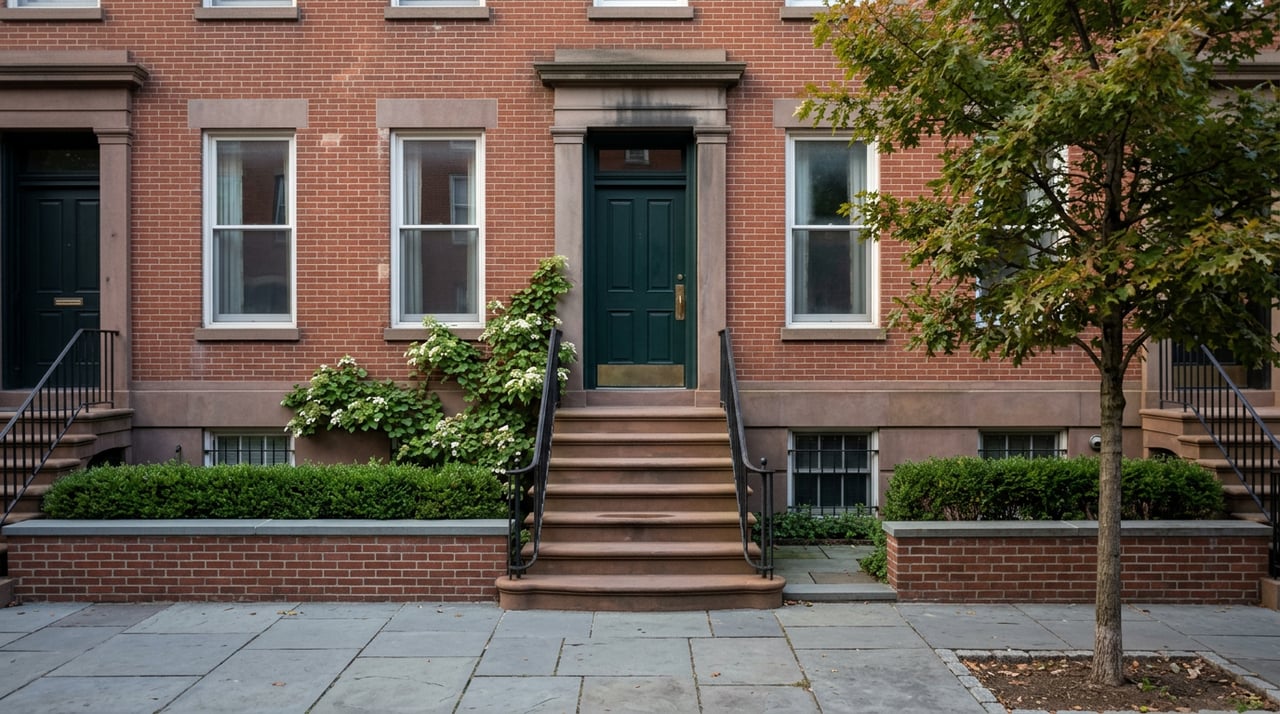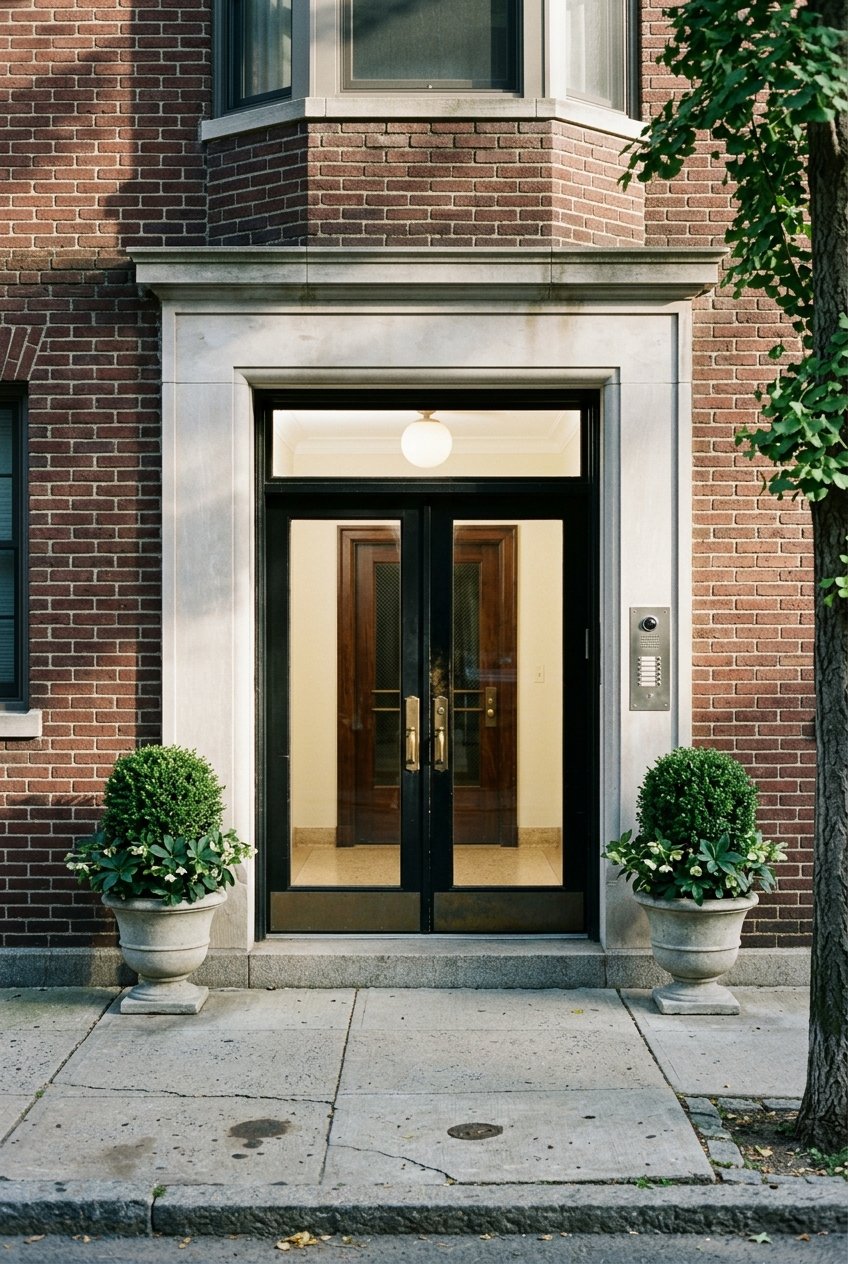
Thinking about buying in Brooklyn Heights? This is one of those neighborhoods where the difference between a co-op and a condo is not just a legal detail. It can shape your timeline, your paperwork, your monthly costs, and even what changes you can make after closing. If you want a clearer picture of what to expect before you make an offer, this guide will help you understand the process and prepare with confidence. Let’s dive in.
Why Brooklyn Heights Feels Different
Brooklyn Heights comes with an added layer of complexity that many buyers do not encounter elsewhere. The neighborhood is shaped by the Brooklyn Heights Historic District and the SV-1 Brooklyn Heights Scenic View District, which can affect exterior work and building-level projects.
That matters because many changes to a building’s exterior may require review by the Landmarks Preservation Commission. In practical terms, even if you are focused on one apartment, you should still understand what is happening with the building itself, especially in an older, landmarked area.
Co-op vs Condo Basics
A co-op and a condo may look similar when you tour an apartment, but the ownership structure is very different. In a co-op, you buy shares in a corporation and receive a proprietary lease for the unit. In a condo, you own the unit as real property along with an undivided interest in the common elements.
That distinction affects more than paperwork. It influences how the board reviews buyers, what records you should inspect, how monthly charges are structured, and what kind of control the building may have over your purchase.
What to Expect With a Brooklyn Heights Co-op
Co-op board review is more personal
If you are buying a co-op in Brooklyn Heights, expect a more involved approval process. New York co-op boards have historically had broad discretion to approve or reject a transfer, as long as they do not violate anti-discrimination laws.
That is why the co-op process often feels more personal than a condo purchase. The review typically focuses on whether you can afford the ongoing carrying costs and whether your application presents you as a low-risk, well-prepared buyer.
Your board package will be detailed
A co-op board package often requires extensive financial and personal documentation. Buyers commonly prepare a financial statement, recent tax returns, bank statements, employment verification, reference letters, and proof of funds.
You should also be ready for close review of your assets, liabilities, income, monthly expenses, debts, and the source of your funds. The key is consistency. Every figure in your package should match the supporting documents and tell a clear financial story.
Monthly maintenance means more than one bill
In a co-op, monthly maintenance generally covers building operating expenses, property taxes, and sometimes an underlying mortgage. That makes maintenance different from condo common charges, and it is one reason buyers need to understand exactly what is included.
Before moving forward, review the building’s financial materials carefully. A monthly charge may look straightforward at first, but the underlying obligations and future capital needs can change how affordable the purchase feels over time.
What to Expect With a Brooklyn Heights Condo
Condo ownership is simpler, not hands-off
Condos are often seen as easier to buy because the approval process is usually less personal and less intrusive than a co-op. In a condo, the board of managers still operates under the declaration, bylaws, and house rules, and it still has governance responsibilities.
So while the process may feel more straightforward, you should not assume there is no review or no building oversight. A condo board still maintains records, manages common elements, and can shape how the property is run.
Governing documents still matter
Condo buyers should review the offering plan and any amendments, along with the declaration, bylaws, floor plans, and house rules. These documents help define what you are buying and how the building operates.
This step matters even more in a neighborhood like Brooklyn Heights. If the building may need exterior work, window replacement, rooftop changes, or visible mechanical work, local landmark rules may come into play regardless of whether the apartment is in a condo or a co-op.
Why Building Due Diligence Matters Here
Older buildings need closer review
The New York Attorney General advises buyers of co-ops and condos to pay close attention to building-condition items such as facades, roofs, flooring, elevators, heating and cooling systems, windows, electrical wiring, and plumbing. In Brooklyn Heights, that guidance carries extra weight because many buildings are older and subject to landmark-related review.
A beautiful apartment can distract from building-wide issues that are far more expensive than cosmetic updates inside the unit. That is why your due diligence should extend well beyond the listing photos and showing experience.
Review the right records before signing
Before signing a purchase agreement, buyers should review the entire offering plan, any amendments, board minutes, financial reports, and the governing documents for the building. For co-ops, that includes the bylaws and proprietary lease. For condos, that includes the declaration, bylaws, floor plans, and house rules.
These records can reveal pending repairs, recurring issues, policy changes, or future costs that may not be obvious early in the process. They can also help you understand whether the building is still in sponsor control or has already transitioned to owner control.
How Landmark Rules Can Affect You
Exterior work may need approval
In Brooklyn Heights, many exterior changes to a designated building or a building within the historic district require Landmarks Preservation Commission approval in advance. That can apply even when the work might not require a separate Department of Buildings permit.
For buyers, this means post-closing plans should be vetted early. If you are considering changes involving windows, façade elements, rooftop equipment, or visible mechanical penetrations, it is smart to understand the approval path before you commit.
Even ordinary projects can have limits
Some repairs, such as like-for-like window-glass replacement, are generally exempt. But many exterior alterations are not. If a building anticipates visible upgrades or deferred exterior work, those projects can affect both timing and cost.
This is one reason Brooklyn Heights buyers should ask detailed building questions during due diligence. In a landmarked neighborhood, routine capital planning can be more layered than it first appears.
How to Prepare for Board Review
Start with your financial story
Whether you are buying a co-op or condo, prepare your financial documents early. Your goal is to show that your funds are documented, your obligations are clear, and your post-closing monthly costs are manageable.
For co-op buyers, this is especially important because the board package tends to be extensive. You should be ready to explain where your down payment came from, what debts you carry, and how you will cover ongoing charges after closing.
Then learn the building story
Strong buyers do not just know the apartment. They know the building. Review financial reports, minutes, offering documents, and rules so you understand upcoming repairs, governance issues, and any restrictions that may affect your plans.
This helps you make a more informed decision and also prepares you for questions from the board, attorney, and lender. In many cases, smoother transactions come from buyers who are organized early, not buyers who scramble later.
Finally, prepare for the interview
If you are buying a co-op, expect a board interview after your package is reviewed. Questions may focus on your employment, source of funds, intended use of the apartment, and overall readiness for ownership in the building.
The best approach is simple: be factual, consistent, and calm. The interview is usually less about performance and more about confirming that your application is complete, credible, and aligned with the building’s requirements.
What About Timing?
Co-op approval often takes about 60 to 90 days, although timing is building-specific. In reality, your timeline may include package assembly, review, corrections, interview scheduling, and final approval before you can close.
That means buyers should build in extra time and avoid assuming a fast contract-to-close process. Condos may move more quickly, but they still require document review, board procedures, and lender coordination.
Do Not Overlook the Tax Abatement
New York City offers a co-op and condo property tax abatement for qualifying primary residences. The board or managing agent must apply on behalf of the development, and the benefit depends on the average assessed value of the residential units.
Current abatement rates are 28.1 percent at $50,000 or less, 25.2 percent from $50,001 to $55,000, 22.5 percent from $55,001 to $60,000, and 17.5 percent above $60,000. If you plan to use the apartment as your primary residence, it is worth confirming whether the building participates and how that may affect your ownership costs.
Buying in Brooklyn Heights can be rewarding, but it works best when you understand the rules behind the charm. If you want guidance on evaluating co-op versus condo options, reviewing building expectations, and preparing for a smoother purchase, the MINSKY | ABRISHAMI Team can help you navigate the process with clarity and care.
FAQs
What should buyers review before signing on a Brooklyn Heights co-op or condo?
- You should review the full offering plan, any amendments, board minutes, financial reports, and the governing documents that apply to the building and unit type.
Can a Brooklyn Heights co-op board reject a buyer without giving a reason?
- Historically, New York co-op boards have had broad discretion to disapprove a transfer with or without a stated reason, as long as they do not violate anti-discrimination laws.
Do landmark rules affect Brooklyn Heights owners after closing?
- Yes. Many projects that affect a building’s exterior in the historic district require Landmarks Preservation Commission approval before work begins.
Are Brooklyn Heights condos easier to buy than co-ops?
- Condos are usually less personal and less intrusive in the approval process, but buyers should still review the building’s documents, rules, and governance carefully.
How long does a Brooklyn Heights co-op approval usually take?
- A co-op approval often takes about 60 to 90 days, although the actual timeline depends on the building and how complete your package is.
Is there a property tax benefit for Brooklyn Heights co-op and condo owners?
- There can be. New York City offers a co-op and condo property tax abatement for qualifying primary residences, and the building’s board or managing agent must apply on behalf of the development.