If you are looking at a small multi-family building in Greenpoint, it is easy to focus on headline rent and imagine strong monthly income. But in this market, the better question is whether the building is legally usable, financeable, and durable under conservative assumptions. A smart purchase here depends less on excitement and more on disciplined review. Let’s dive in.
Why Greenpoint Draws Investors
Greenpoint remains a rental-oriented market, which helps explain why small multi-family properties continue to attract attention. In 2023, the Greenpoint/Williamsburg area had a 2.0% rental vacancy rate and a median gross rent of $2,570, according to the Furman Center. Those numbers suggest steady renter demand, but they do not leave much room for sloppy underwriting.
The local housing picture also points to pressure in the rental market. NYC Health reports that 41.0% of households are rent burdened and 5.3% experience household crowding in Greenpoint. For you as a buyer, that can support the case for demand, but it also means tenant stability, collections, and building condition matter more than ever.
Greenpoint Pricing Requires Discipline
Small multi-family properties in Greenpoint are not cheap entry points. The Furman Center reports 86 sales of 2-4 family buildings in 2024, with a median sales price per unit of $811,670. That pricing can make even a promising property feel thin once you layer in financing, repairs, reserves, and compliance work.
Greenpoint also has a relatively low homeownership rate. The same profile shows 16.1% homeownership in 2023, which reinforces how important rental income can be in this submarket. If you are evaluating a deal, that means your projections need to reflect realistic rent assumptions, not best-case ones.
What Buildings You Will Typically See
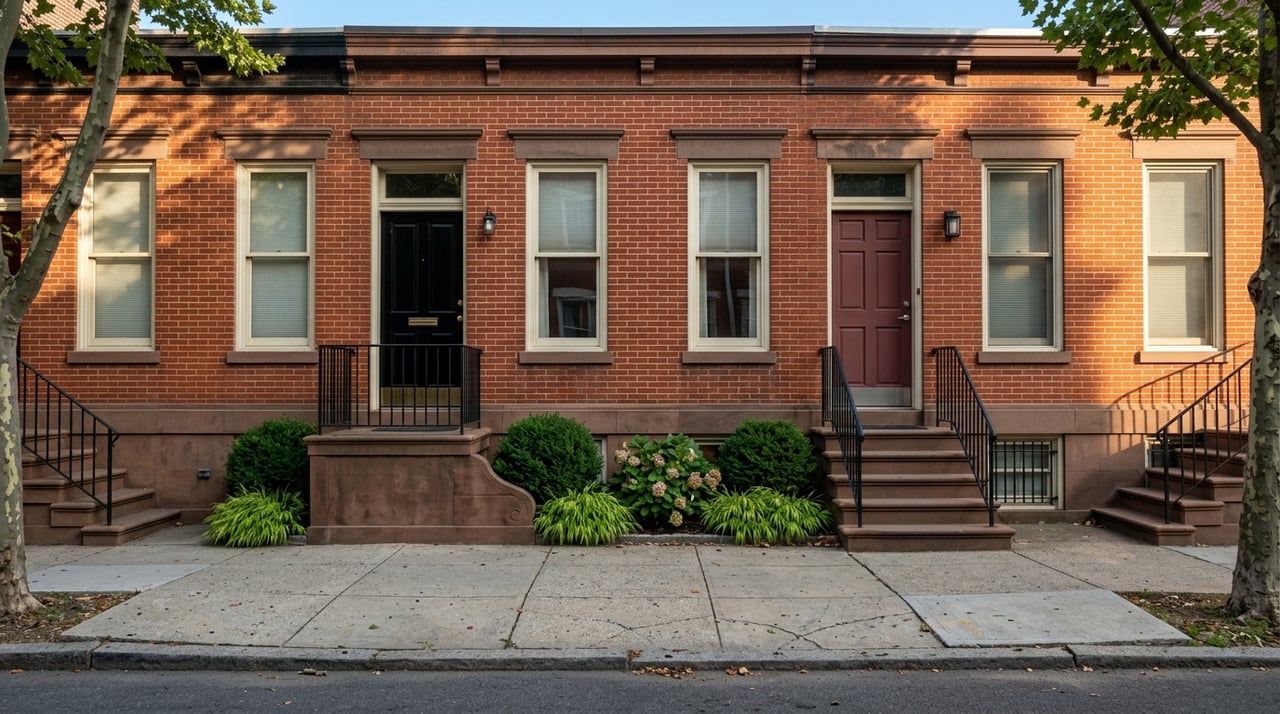
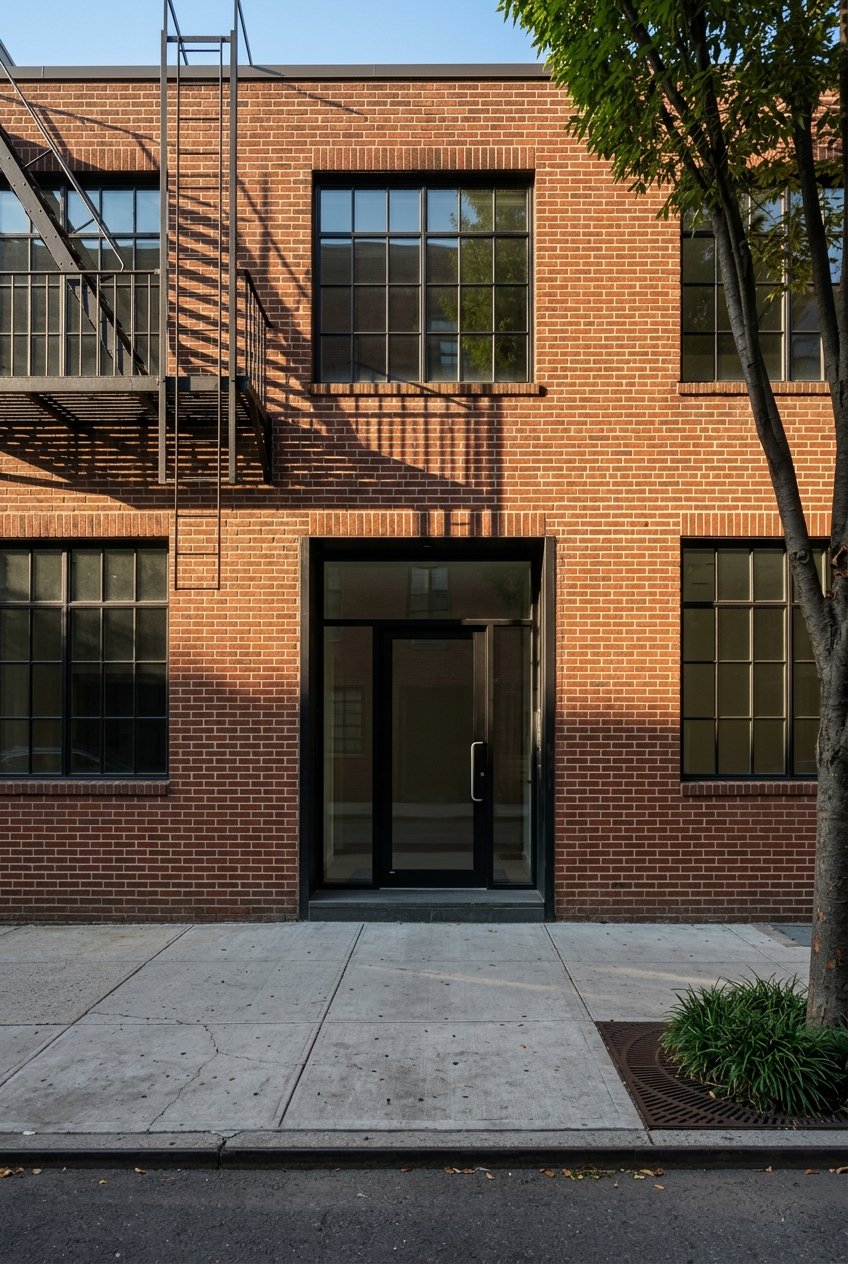
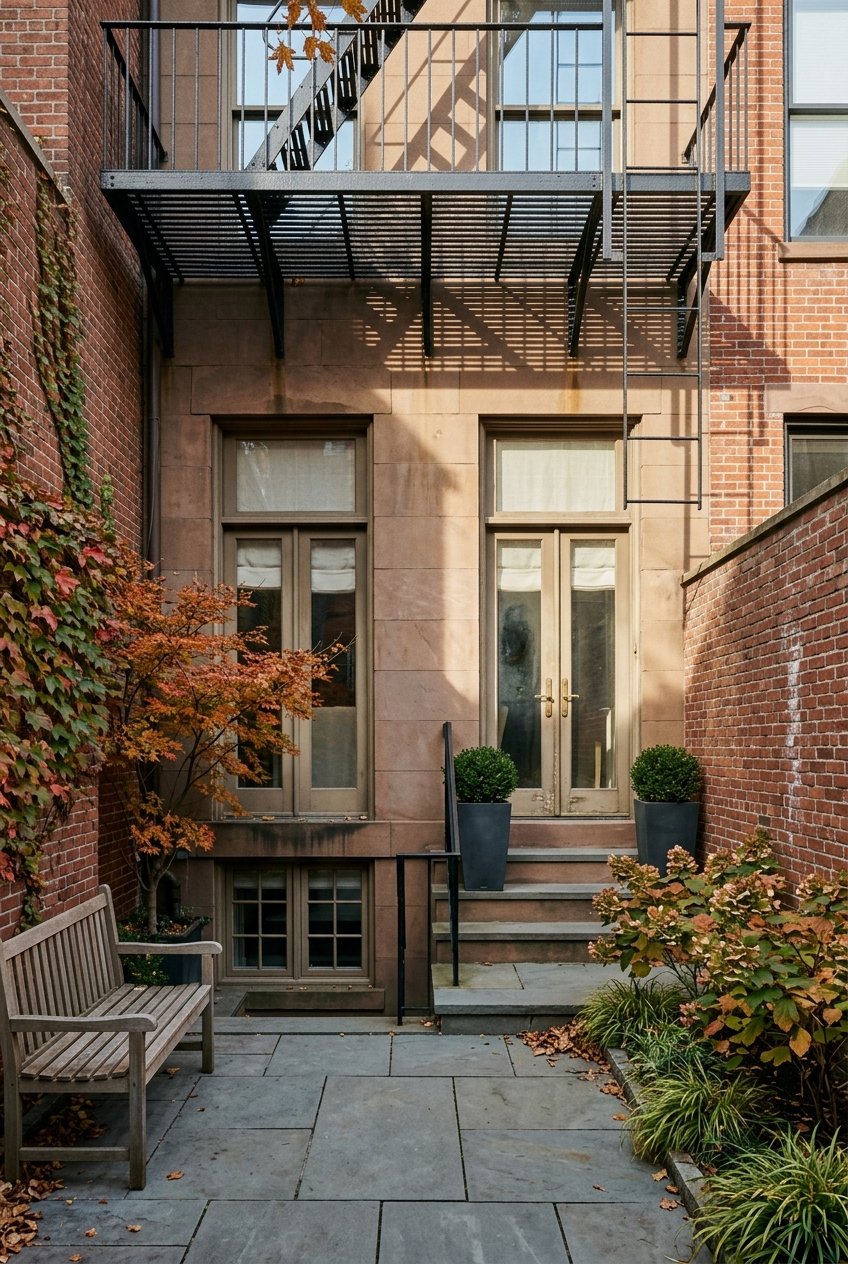
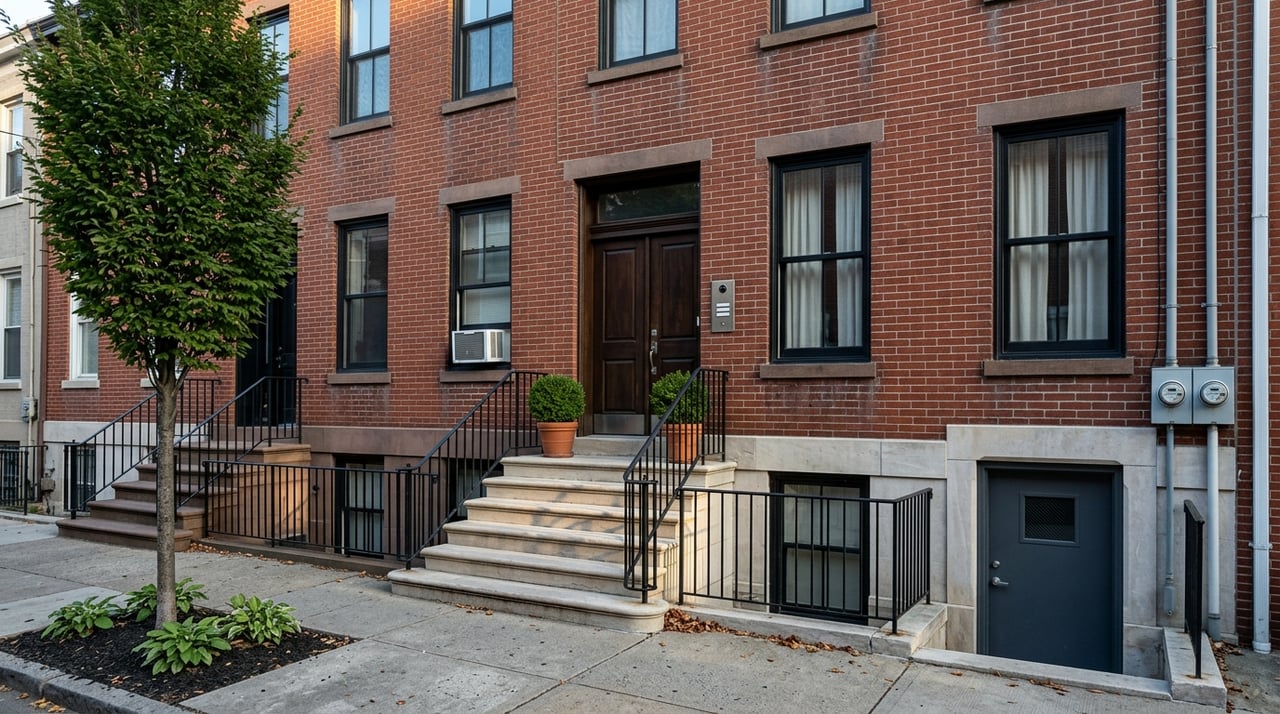
In Greenpoint, many 2-4 unit opportunities are older buildings rather than newer rental assets. NYC planning materials describe the area as having a mix of three- to four-story brick or frame buildings, six-story apartment buildings, and older industrial loft buildings converted to residential use. That matters because age and building type often shape your repair risk and legal diligence needs.
In practice, you may be evaluating an attached townhouse-style building, an older walk-up, or a conversion with a longer paper trail. That can create opportunity, but it also means you should expect more diligence around legal use, maintenance history, and compliance records.
Legal Use Comes First
Before you get attached to a property, confirm that its legal use is supported by the right city records. The NYC Department of Buildings says a Certificate of Occupancy states the legal use or permitted occupancy of a building. DOB also states that no one may legally occupy a building until the city has issued a Certificate of Occupancy or Temporary Certificate of Occupancy.
For many older Greenpoint buildings, there may not be a modern Certificate of Occupancy. DOB notes that pre-1938 buildings may rely on a Letter of No Objection to establish legal use. If you are buying an older 2-4 unit property, this is not a minor paperwork issue. It is a core part of confirming what you are actually buying.
Open Violations Can Change the Deal
Open building issues should be reviewed early, not after you have mentally committed to the property. DOB says open violations are public, appear in title searches, and can prevent a sale, refinance, or new or amended Certificate of Occupancy. That means unresolved violations can affect both your closing and your future plans for the building.
You will also want to look beyond DOB alone. A full review should include open DOB violations, HPD issues, and any unresolved compliance items that could create cost or delay. In an older housing stock market like Greenpoint, small issues can become expensive ones very quickly.
Lead Paint Is a Serious Diligence Item
For older Greenpoint buildings, lead-paint compliance deserves close attention. HPD says owners of buildings built before 1960, and certain buildings built between 1960 and 1978, must presume paint is lead-based unless proper testing shows otherwise. HPD also says owners must maintain testing records.
If you are evaluating one of these older properties, ask direct questions about lead history, turnover work, and recordkeeping. This is especially important when units have changed hands over time or when renovation work has been done. A missing paper trail can create risk even when the building looks well kept.
Underwriting a 2-4 Unit Property
When lenders and buyers evaluate a small multi-family deal, they usually focus on a few core inputs:
- Gross rents
- Vacancy or collection loss
- Operating expenses
- Reserves
- Financing terms
This sounds straightforward, but the details matter. The gap between a workable deal and a strained one often comes down to how conservative you are with each input.
Why Rent Documentation Matters
Fannie Mae guidance shows why rental income is rarely taken at face value. Depending on the scenario, lenders may review tax returns, Schedule E, and current leases. When a lender relies on lease agreements or market rents, it generally counts 75% of gross rent for qualifying purposes, with the remaining 25% treated as an allowance for vacancy and maintenance.
That is a major point for Greenpoint buyers. A property may appear to carry itself on paper, but once a lender applies its income treatment, the financing picture can shift. You should model the deal using lender-style assumptions before you decide what the property is worth to you.
Your Mortgage Still Counts in Full
Fannie Mae also states that the lender still counts the full monthly mortgage payment in your debt-to-income calculation. In other words, you do not get full qualifying credit for projected rent, but you do carry the full housing payment. That dynamic can matter a lot if you are a first-time small investor or if you plan to occupy one unit while renting the others.
Experience Can Affect Financing
Prior property-management history can also matter. In practice, lenders may want to see leases, tax returns, and a clear rent history before giving full credit to projected income. If you are buying your first multi-family building, it is wise to discuss documentation requirements with your lender early.
Closing Costs Belong in Your Pro Forma
Many buyers focus on purchase price, rate, and renovation budget, then treat closing costs as an afterthought. That can be a mistake. The Consumer Financial Protection Bureau explains that mortgage costs can be paid at closing or over time, and a lower monthly payment can simply mean higher upfront costs.
The Closing Disclosure is the official form that summarizes final loan terms and closing costs. If you are comparing financing options, do not just compare the monthly payment. Look at the total structure of the deal.
Taxes and Cash Flow Are Not the Same
A small multi-family building may look one way in your bank account and another way at tax time. The IRS says residential rental income and expenses are generally reported on Schedule E. Ordinary rental expenses can include mortgage interest, taxes, maintenance, insurance, and depreciation.
The IRS also notes that improvements are generally not immediately deductible and are instead recovered through depreciation. That means a larger renovation may affect taxable income differently from cash flow. If you are planning upgrades, you should understand that distinction before you count on the tax outcome.
Questions to Ask Your Attorney
A strong attorney review is one of the most important parts of a Greenpoint multi-family purchase. Your attorney should verify the Certificate of Occupancy or Letter of No Objection, review open DOB violations, confirm tenant status, and check whether the building is subject to rent regulation or subsidy restrictions.
This is especially important because not every restriction is obvious from a casual review of the property. A building that looks straightforward can still carry registration obligations, occupancy questions, or inherited tenant-related limits.
Rent Stabilization Needs Careful Review
New York Homes and Community Renewal says NYC rent stabilization generally applies to buildings with 6 or more apartments built before 1974. It also notes that some 3+ unit buildings built or extensively renovated on or after 1974 can be stabilized because of tax benefits or other program requirements.
If any unit is rent stabilized, your attorney should confirm the rent history and whether any planned rent increases are legally available. HCR says rent-stabilized owners generally may raise rent through annual guideline increases and approved MCI or IAI increases. Inherited rent levels can matter just as much as the purchase price.
Registration Rules Matter Too
HCR also says rent-stabilized buildings require annual registration. In addition, NYC residential buildings must register annually with HPD if they are a multiple dwelling with 3+ units or a 1-2 unit private dwelling where neither the owner nor immediate family resides. If you are buying a building as a pure investment, registration obligations should be part of your pre-closing review.
Questions to Ask Your Accountant
Your accountant should help you separate operating expenses from capital improvements and estimate how depreciation may affect your ownership plan. The IRS makes clear that repairs and operating expenses are generally deductible, while improvements are capitalized and depreciated. Mortgage principal is also not treated like a deductible operating expense.
That distinction matters when you are comparing two buildings. One may need modest repairs that support near-term cash flow, while another may require improvement work that changes your tax treatment and your hold strategy.
Questions to Ask Your Lender
Talk with your lender early, not after your offer is accepted. You should ask about:
- Occupancy requirements
- Reserve expectations
- How projected rent will be credited
- What documents are required for a 2-4 unit purchase
Fannie Mae guidance shows that rental-income treatment can change depending on occupancy and management history. If you will live in one unit, the financing path may differ materially from a pure investment purchase.
A Smart Pre-Offer Checklist
Before you submit an offer on a Greenpoint small multi-family property, make sure you can answer these questions:
- Is the legal use supported by a current Certificate of Occupancy or a Letter of No Objection?
- Are there open DOB violations, HPD issues, or unresolved lead-paint compliance items?
- Does any unit have rent-stabilized, subsidized, or program-based restrictions?
- Do the current rents still support the deal after lender income haircuts, vacancy assumptions, and closing costs?
- Is the property near a flood-prone waterfront area, and should flood insurance be part of the pro forma?
That last point deserves real attention in Greenpoint. FEMA states that its Flood Map Service Center is the official source for flood-hazard maps and that lenders use flood maps to determine insurance requirements. For waterfront-adjacent properties, flood insurance can materially affect your monthly numbers.
The Real Goal Before You Offer
In Greenpoint, successful small multi-family investing is usually less about chasing the highest possible rent and more about controlling downside risk. The right property is one that is legally usable, financeable, and economically supportable under conservative assumptions.
That approach may feel less exciting than a quick back-of-the-envelope analysis, but it is often what protects you from expensive surprises. In a market with strong demand, older building stock, and high acquisition costs, discipline is a real advantage.
If you are weighing a Greenpoint 2-4 unit purchase and want a measured view of pricing, positioning, and diligence risks, the MINSKY | ABRISHAMI Team can help you evaluate the opportunity with the kind of local perspective and transaction discipline that matters in Brooklyn.
FAQs
What makes Greenpoint attractive for small multi-family investing?
- Greenpoint shows signs of strong rental demand, including a 2.0% rental vacancy rate in 2023 and a median gross rent of $2,570, but high pricing means you still need conservative underwriting.
What legal-use documents matter for a Greenpoint multi-family building?
- You should confirm whether the property has a valid Certificate of Occupancy or, for many pre-1938 buildings, a Letter of No Objection that supports the legal use.
What should buyers check about violations on a Greenpoint property?
- Buyers should review open DOB violations, HPD issues, and other unresolved compliance matters because they can affect closing, refinancing, and future building plans.
How do lenders usually count rental income on a 2-4 unit property?
- When lenders rely on leases or market rents, they generally count 75% of gross rent for qualifying purposes and still include the full monthly mortgage payment in debt-to-income calculations.
Why is lead-paint compliance important for older Greenpoint buildings?
- For many buildings built before 1960, and some built between 1960 and 1978, HPD requires owners to presume paint is lead-based unless proper testing shows otherwise and to maintain testing records.
What should buyers ask about rent stabilization in Greenpoint?
- Buyers should ask whether any unit is rent stabilized, review the rent history, and confirm whether any legal rent increases may be available under current rules.
Should flood insurance be part of a Greenpoint investment analysis?
- It can be, especially for properties near waterfront areas, because lenders use official flood maps to determine insurance requirements and that cost can affect your pro forma.