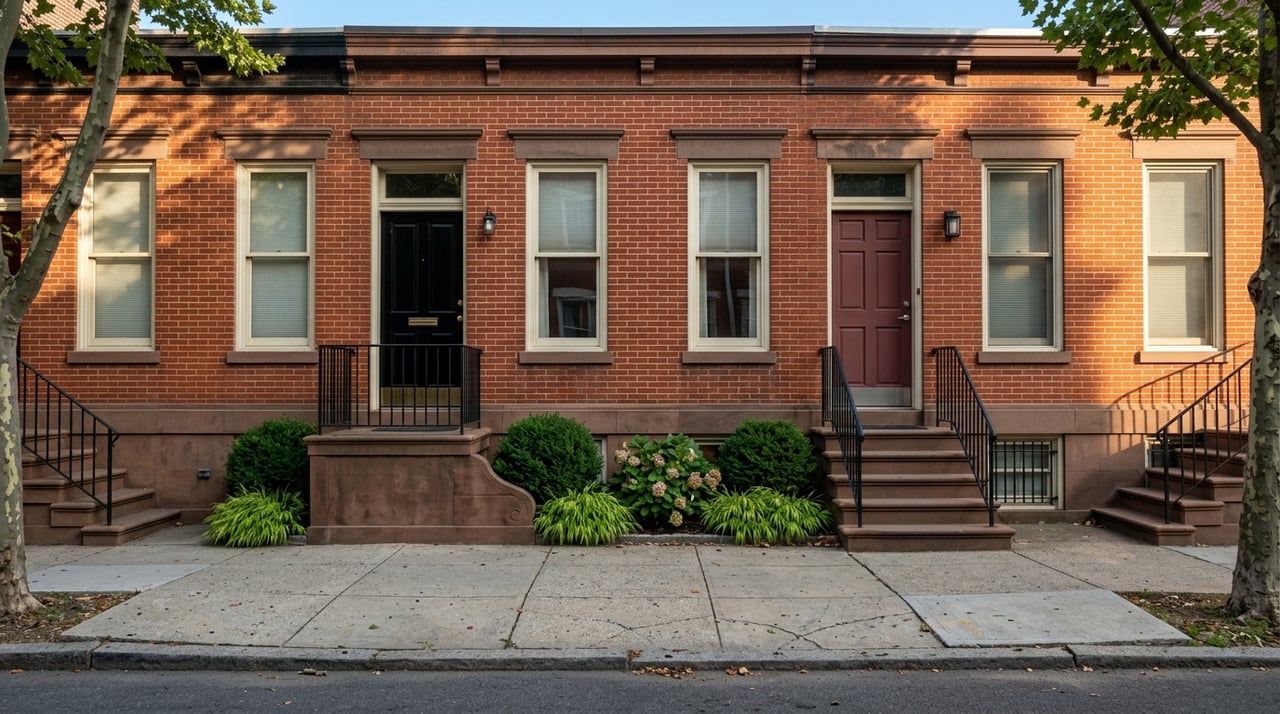
If you are thinking about a move to Carroll Gardens, daily life here often comes down to something simple: block-by-block ease. This is a Brooklyn neighborhood where low-rise streets, local retail corridors, and nearby transit shape how your day unfolds. If you want a clearer picture of what it actually feels like to live here, this overview will walk you through the streetscape, housing mix, parks, errands, and getting around. Let’s dive in.
Carroll Gardens at a Glance
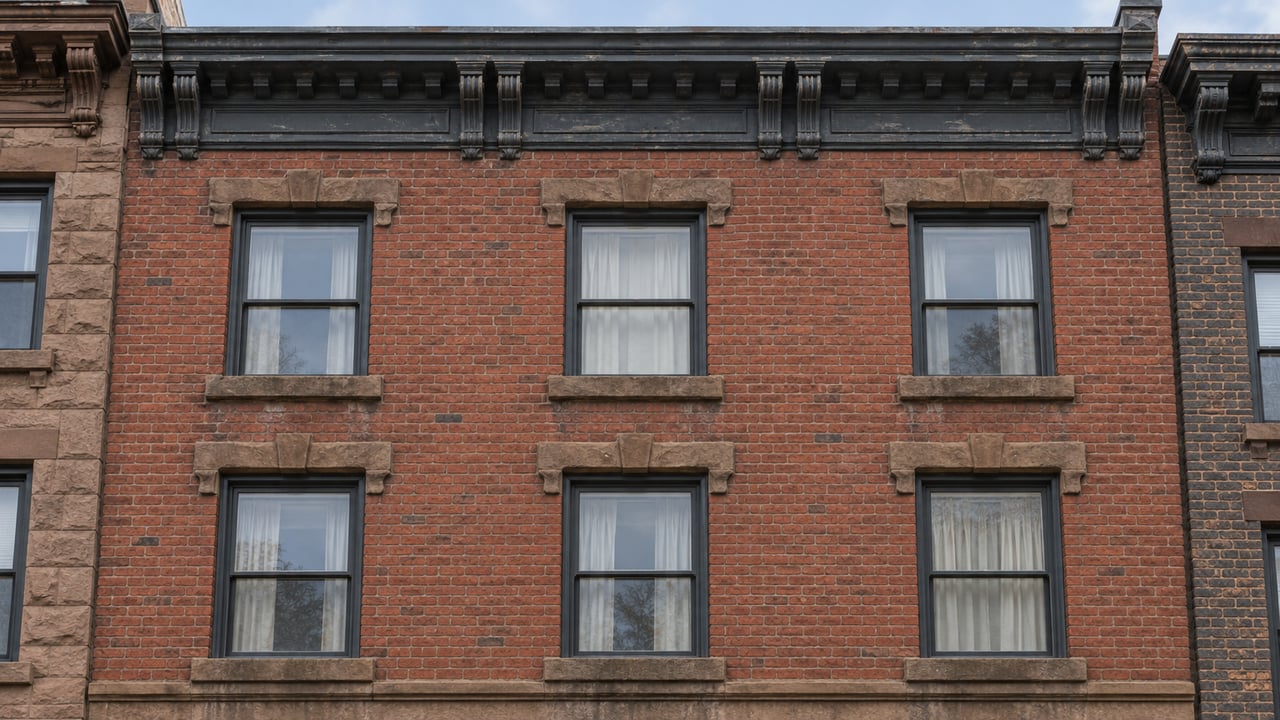
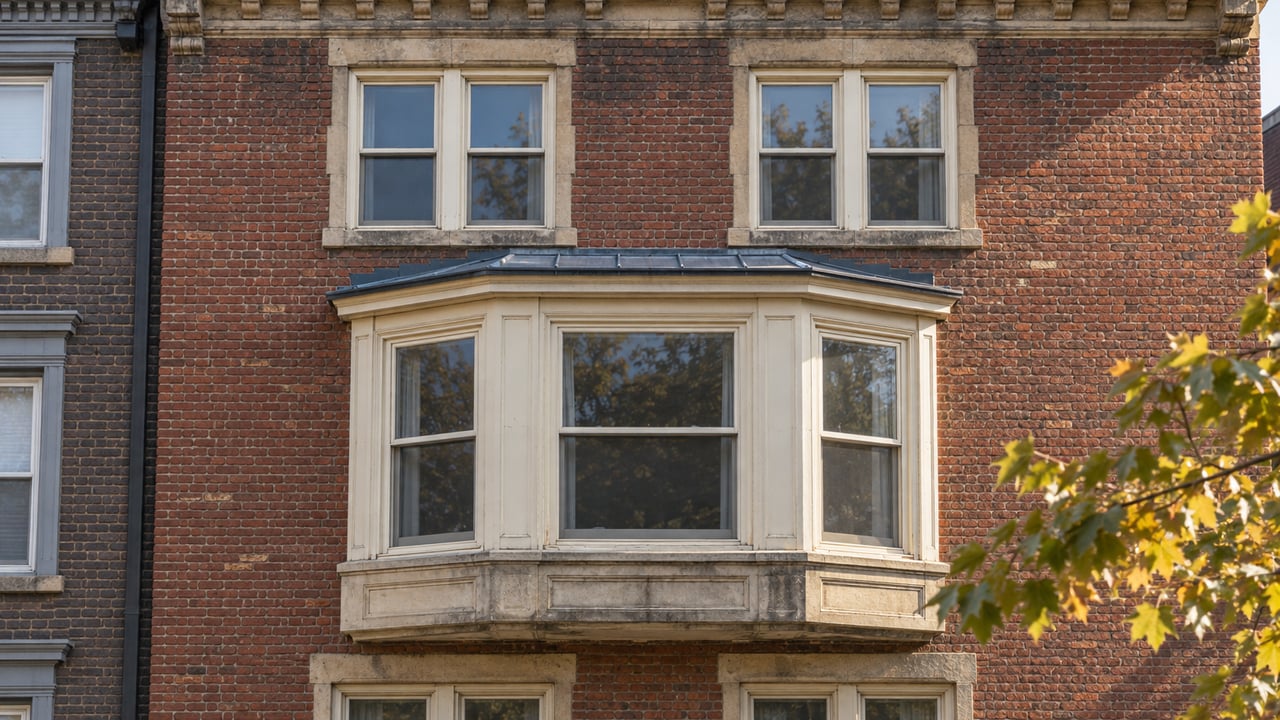
Carroll Gardens is a predominantly residential neighborhood made up mostly of 3- and 4-story row houses, along with some 4- and 5-story multi-family apartment buildings, according to NYC Planning. That built form gives the area a more intimate, low-rise feel than neighborhoods defined by towers or large-scale developments.
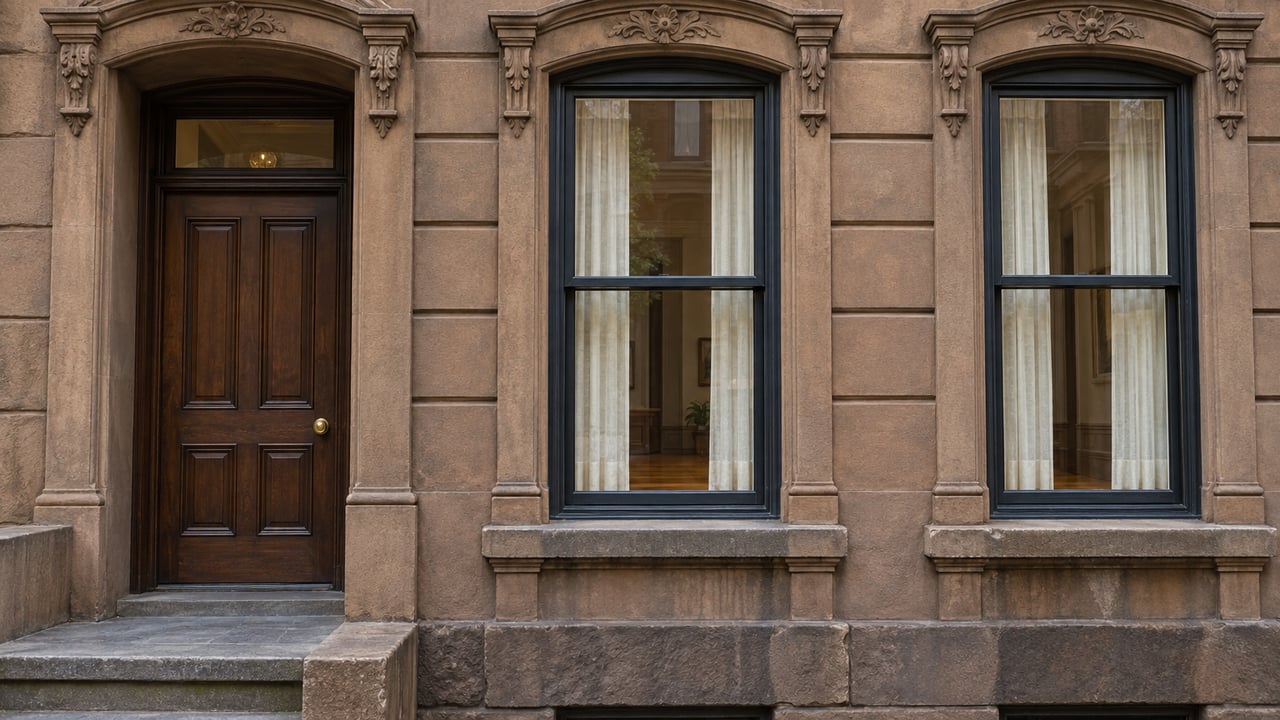
The neighborhood is also known for its brownstone setting and its east-west streets with 30-foot-deep front yards. Those front yards help create a distinctive rhythm at street level, with more visual breathing room than you might expect in Brooklyn.
Carroll Gardens sits east of the Brooklyn-Queens Expressway, with Red Hook and the Columbia Street Waterfront to the west. In practical terms, that location helps the neighborhood feel residential and somewhat tucked in, while still remaining close to nearby commercial areas and the waterfront.
What the Streets Feel Like
One of the biggest draws of Carroll Gardens is how human-scaled it feels. The streets are largely shaped by row houses, stoops, and modest apartment buildings rather than oversized residential complexes.
That matters in everyday life. Your experience here is often centered on walking a few blocks, noticing the front gardens, and moving through a neighborhood where the street itself plays a major role in the atmosphere.
For many buyers, that physical character is a key part of the appeal. If you are looking for a neighborhood with a strong sense of place and a classic brownstone backdrop, Carroll Gardens offers a very specific Brooklyn experience.
Brownstones, Condos, and Apartments
Carroll Gardens is especially well known for brownstone living, but the housing mix is not limited to townhouses. NYC Planning notes a combination of row houses and lower-rise multi-family apartment buildings, which supports a range of home types within the neighborhood’s overall low-rise context.
For townhouse buyers, daily life may feel more stoop-centered and garden-oriented. Outdoor space at the front of the home is part of the neighborhood’s defining layout, and that affects both curb appeal and how homes connect to the street.
For condo and apartment buyers, the neighborhood generally offers lower-rise living rather than a high-rise amenity-driven experience. That can appeal to people who want a more residential setting while still staying close to shops, dining, and transit.
What Landmark Rules Can Mean
Some blocks in Carroll Gardens are landmarked, which adds an important practical layer for owners. According to the New York City Landmarks Preservation Commission, owners in historic districts must obtain approval before most exterior alterations, demolition, or new construction.
Ordinary interior work usually does not require review. If you are considering a brownstone purchase, it is worth understanding that preservation rules can be part of both the neighborhood’s charm and the ownership experience.
Daily Errands and Dining
Court Street and Smith Street are the neighborhood’s main commercial corridors. NYC Planning identifies both as local retail streets with ground-floor commercial and community uses and residential space above.
That setup shapes how daily life works in Carroll Gardens. Instead of relying on one major shopping destination, many errands and routine stops happen within walkable neighborhood blocks.
In practice, that often means your routine stays local. Coffee, casual meals, and quick errands tend to fit naturally into the rhythm of the neighborhood because the retail is woven into the residential fabric.
Why the Retail Layout Matters
Walkable retail corridors can make a neighborhood feel easier to live in day to day. In Carroll Gardens, Court Street and Smith Street help create that convenience without changing the area’s overall residential character.
For buyers comparing Brooklyn neighborhoods, this balance can be important. You get access to useful everyday amenities, but the neighborhood still reads as primarily residential rather than intensely commercial.
Parks and Green Space
Carroll Gardens offers a few meaningful outdoor options nearby, even if the neighborhood is not defined by one major destination park. The green space here tends to support everyday use rather than large-scale outings.
Carroll Park is one of the neighborhood’s key close-in outdoor spaces. NYC Parks lists it at Smith and Carroll Streets, and the city’s FY24 maintenance report identifies it as a 1.87-acre small park with athletic facilities, public restrooms, and a playground.
That makes Carroll Park especially useful for short visits and regular neighborhood use. It is the kind of park that can fit into a normal weekday routine rather than requiring a dedicated trip.
Coffey Park Nearby
For a larger outdoor option, Coffey Park adds another layer to the area’s lifestyle. NYC Parks lists Coffey Park as an 8.27-acre neighborhood park with athletic facilities, public restrooms, a playground, and designated barbecue areas.
Compared with Carroll Park, Coffey Park offers more room for gathering and recreation. If outdoor space is part of your home search, having both a smaller close-in park and a larger nearby option can be a practical plus.
Community Gardens Add Another Layer
Carroll Gardens also includes a community-garden presence. NYC Parks’ GreenThumb program lists both Summit Street Community Garden and All is Well Community Garden in the neighborhood.
That may seem like a small detail, but it contributes to the area’s sense of greenery and local care. In a neighborhood already known for front yards and brownstone blocks, community gardens reinforce that planted, lived-in feel.
Getting Around Carroll Gardens
Transit is one of Carroll Gardens’ strongest practical advantages. The MTA line map shows both Carroll St and Smith–9 Sts stations on the F and G lines, giving residents two subway access points depending on where they live in the neighborhood.
The Carroll St station has entrances at President Street and Smith Street, and at Second Place and Smith Street. Smith–9 Sts is located at Smith Street and 9th Street. That kind of coverage can make a real difference when you are thinking about your daily commute or weekend mobility.
Bus and Ferry Options
Subway access is not the only way to get around. The MTA’s current route information shows the B61 running between Park Slope and Downtown Brooklyn via Van Brunt Street, Columbia Street, and 9th Street, while the B57 runs between Gowanus and Maspeth.
For everyday travel, those bus routes offer added flexibility for trips across western Brooklyn and into downtown Brooklyn. If you prefer having more than one transit option, that is a real strength.
There is also nearby ferry access. NYC Ferry’s South Brooklyn route serves Red Hook/Atlantic Basin and Atlantic Ave/BBP Pier 6, connecting those landings to Midtown and the Financial District.
The ferry is not a doorstep amenity for most Carroll Gardens residents, but it does expand your options for getting to Manhattan and enjoying the waterfront. For some buyers, having that nearby can be a meaningful lifestyle benefit.
Who Carroll Gardens Often Appeals To
Carroll Gardens can be a strong fit if you want a historic, low-rise Brooklyn neighborhood with a distinct streetscape and a practical day-to-day setup. The combination of brownstones, walkable retail, neighborhood parks, and multiple transit options supports a lifestyle that feels both local and connected.
It may be especially appealing if you value block character and architectural continuity. The neighborhood’s preservation-minded setting and low-rise housing stock create a different experience from high-rise condo districts or large amenity-focused developments.
That said, the same qualities that make Carroll Gardens appealing can also shape your decision in practical ways. If you are considering a townhouse or home on a landmarked block, it is helpful to understand the building context and ownership responsibilities before you buy.
What to Keep in Mind as a Buyer
When you tour Carroll Gardens, pay attention to more than just the apartment or house itself. Look at how close you are to Court Street or Smith Street, which park is nearest, and which subway stop will likely become part of your daily routine.
If you are comparing a brownstone, condo, or co-op-style apartment in the area, think about how each option aligns with your lifestyle. Some buyers prioritize outdoor orientation and townhouse character, while others want lower-maintenance apartment living in the same neighborhood setting.
If you are drawn to the area because of its architectural character, be sure to factor in landmark considerations where applicable. That does not have to be a drawback, but it should be part of an informed buying process.
Carroll Gardens stands out because it offers a version of Brooklyn life that feels grounded, walkable, and visually distinct. If you want help understanding how a specific block, building type, or property fits into that bigger picture, the MINSKY | ABRISHAMI Team can guide you with the local insight and measured advice that a neighborhood like this deserves.
FAQs
What is everyday life like in Carroll Gardens?
- Everyday life in Carroll Gardens is shaped by low-rise residential blocks, walkable retail on Court Street and Smith Street, neighborhood parks, and access to the F and G subway lines.
What types of homes are common in Carroll Gardens?
- Carroll Gardens is made up mostly of 3- and 4-story row houses, along with some 4- and 5-story multi-family apartment buildings, according to NYC Planning.
What makes Carroll Gardens visually distinct in Brooklyn?
- NYC Planning notes that the neighborhood is known for its brownstone context and east-west streets with 30-foot-deep front yards, which give many blocks a distinctive streetscape.
What should buyers know about landmarked homes in Carroll Gardens?
- In historic districts, the Landmarks Preservation Commission requires approval for most exterior alterations, demolition, or new construction, while ordinary interior work usually does not require review.
What parks serve Carroll Gardens residents?
- Carroll Park is a 1.87-acre small park with athletic facilities, restrooms, and a playground, and nearby Coffey Park is an 8.27-acre neighborhood park with athletic facilities, restrooms, a playground, and barbecue areas.
How do you get around from Carroll Gardens?
- Carroll Gardens is served by the F and G trains at Carroll St and Smith–9 Sts, with added bus access from the B61 and B57, plus nearby NYC Ferry service from South Brooklyn landings.