If you are deciding between Clinton Hill and Fort Greene, you are not choosing between a clear winner and a clear loser. You are choosing between two adjacent Brooklyn neighborhoods that share historic character but feel different in everyday life. The right fit depends on what matters most to you, from housing stock and block feel to park access, culture, and transit. Let’s dive in.
Shared Brooklyn Appeal
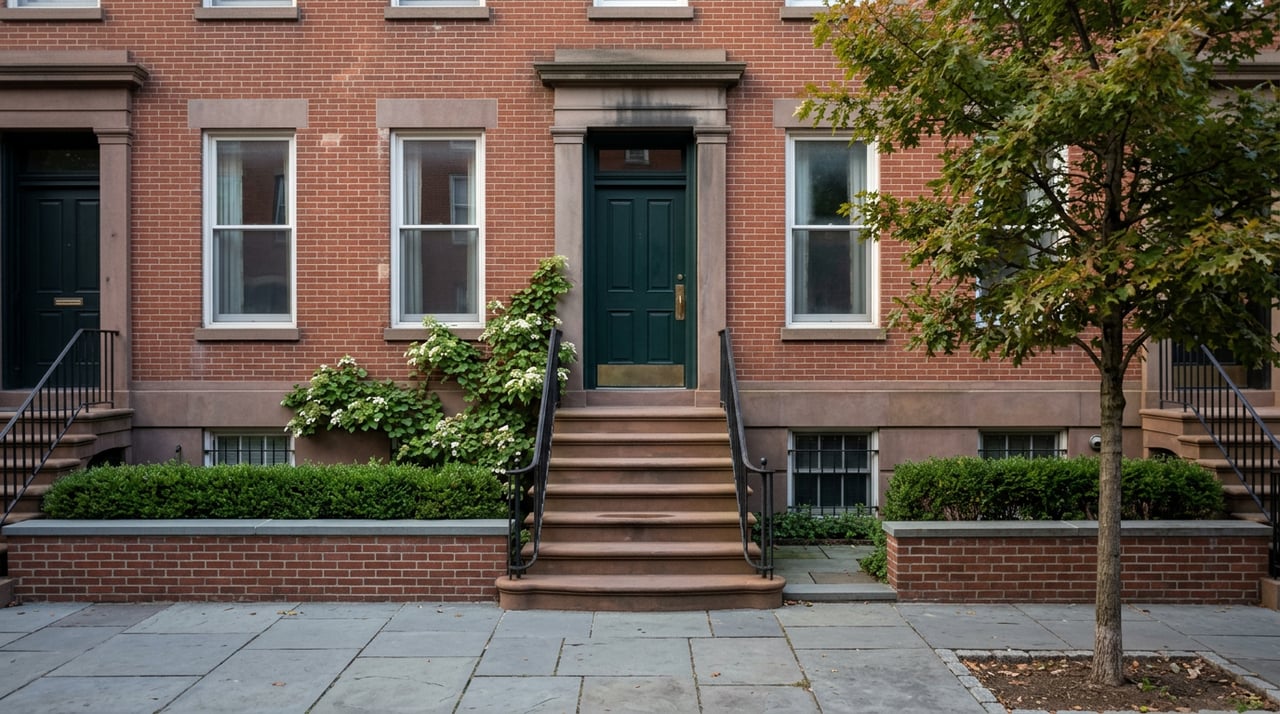
Clinton Hill and Fort Greene sit just east of Downtown Brooklyn and share a lot of the qualities that draw buyers to brownstone Brooklyn in the first place. According to NYC Planning, both neighborhoods are largely defined by three- to five-story brownstone row houses, along with one- and two-family homes and apartment buildings.
That shared foundation matters if you are starting your search broadly. In both neighborhoods, you will find historic streets, a mix of residential buildings, and commercial activity concentrated along key corridors such as Myrtle Avenue and Fulton Street. The interior blocks can feel quieter and more residential than the larger avenue frontages.
Both areas also have strong landmarked identity. The Fort Greene Historic District was designated in 1978, and the Clinton Hill Historic District followed in 1981, reinforcing the long-standing architectural significance of each neighborhood.
Clinton Hill at a Glance
Clinton Hill tends to appeal to buyers who want variety within a historic setting. Its landmark district includes row houses, mansions, stables, apartment houses, and institutional buildings dating from the 1840s through the 1920s, as noted by the Historic Districts Council.
That wider range shows up block to block. Some streets feel grand and mansion-adjacent, while others feel more classic brownstone Brooklyn or more mixed in scale. If you like architectural variety and a neighborhood that unfolds gradually as you explore it, Clinton Hill often stands out.
A major part of that identity is Pratt Institute. Pratt describes the area around its campus as having elegant turn-of-the-century mansions and broad tree-lined streets, and its Brooklyn campus offers landscaped grounds, historic buildings, and a sculpture park open to visitors during the day. That gives Clinton Hill a campus-centered green presence rather than a single large park acting as the neighborhood anchor.
Fort Greene at a Glance
Fort Greene often feels a bit more compact and concentrated in character. The Historic Districts Council describes it as a typical 19th-century Brooklyn residential neighborhood with Italianate, Queen Anne, and Neo-Grec brownstone and brick row houses built between 1855 and 1875.
While NYC Planning notes that Fort Greene also includes mansions and mid-rise apartment buildings, many buyers experience the neighborhood as more visually consistent than Clinton Hill. If you are drawn to the idea of classic rowhouse blocks with a tighter historic rhythm, Fort Greene may feel more aligned with your search.
Fort Greene also has a stronger park-centered identity. Fort Greene Park spans 30 acres of rolling hills and open meadows and includes tennis courts, a visitor center, and the Prison Ship Martyrs monument. The park is not just a green backdrop. It is a defining part of the neighborhood’s daily life.
Housing Stock: Variety or Consistency?
For many buyers, this is the biggest practical difference.
Clinton Hill offers more architectural range
In Clinton Hill, you are more likely to encounter a broader mix of building types and streetscapes. The neighborhood includes row houses, large mansions, apartment houses, and institutional buildings, which can create more variation in lot width, building scale, and overall block feel, based on the landmark district description.
That can be a real advantage if you are not looking for just one property type. You may find that Clinton Hill gives you more choices across townhouse, apartment, and mixed historic housing formats while still preserving a strong architectural identity.
Fort Greene offers a more compact brownstone feel
Fort Greene is often the better fit if your mental picture of Brooklyn centers on classic, mid-19th-century rowhouse streets. The housing stock is still varied, but the neighborhood tends to read as more architecturally compact and cohesive, based on the historic district description.
If consistency matters to you, that difference can be meaningful. Buyers who want that immediate, unmistakable brownstone-block feel often respond strongly to Fort Greene.
Green Space and Daily Atmosphere
The way each neighborhood handles open space shapes how it feels to live there.
Clinton Hill feels residential and campus-centered
Clinton Hill has greenery, but its open-space identity is more distributed. Pratt’s campus acts as a neighborhood amenity with landscaped grounds and public-facing outdoor spaces, and the Clinton Hill Library sits within a leafy landmarked area of brownstones and community facilities.
The result is a neighborhood that can feel calm, residential, and rooted in tree-lined streets rather than built around one central park. For some buyers, that creates a more tucked-in atmosphere.
Fort Greene feels park-centered
Fort Greene Park is central to the neighborhood’s identity. In addition to its hills, meadows, and courts, the park conservancy highlights recurring public programs such as Movies on the Lawn, Young Naturalists, and Poetry in the Park.
That level of programming gives the neighborhood a strong outdoor social center. If daily access to a large, active park is high on your list, Fort Greene has the clearer edge.
Culture, Convenience, and Neighborhood Rhythm
These neighborhoods overlap in many practical ways, but their centers of gravity differ.
Clinton Hill leans local and anchored
Clinton Hill’s everyday convenience is concentrated along corridors like Myrtle Avenue and nearby avenues identified by NYC Planning. That can make the residential interior feel more distinct from the busier retail edges.
Amenities such as the Clinton Hill Library add practical value, with accessibility features, meeting rooms, after-hours returns, and printing pickup. Combined with the Pratt campus presence, the neighborhood often feels anchored by institutions and daily-use amenities.
Fort Greene leans arts and activity
Fort Greene has one of Brooklyn’s densest cultural clusters. BAM anchors a major performing arts campus in the neighborhood, and BRIC House sits near other arts venues on and around Fulton Street, as noted in the research.
NYC Planning also notes BAM’s long-standing role in bringing international performing arts and film to Brooklyn. If you want your neighborhood to feel closely tied to arts institutions, screenings, performances, and a steady cultural calendar, Fort Greene stands out.
Transit: Both Strong, One More Connected
Transit is good in both neighborhoods, which is one reason this comparison can be tricky.
Clinton Hill transit access
According to the MTA neighborhood map, Clinton Hill is served by Clinton-Washington Avs on the C and G, Classon Av on the G, DeKalb Av on the B/Q/R, and Atlantic Av-Barclays Center on the 2/3/4/5/B/D/N/Q/R.
For many buyers, that means solid flexibility without giving up a more residential feel. Your exact experience will depend on where within the neighborhood you buy.
Fort Greene transit access
Fort Greene is especially strong on transit. The Fort Greene Park map lists nearby access to the C at Lafayette, the G at Fulton, the B/Q/R at DeKalb, and the large Atlantic Ave-Barclays Center hub with multiple lines.
If maximum subway connectivity is a top priority, Fort Greene often has the advantage because of how close it sits to major transfer points.
Which Neighborhood Fits Your Search?
If you are still deciding, it helps to match your priorities to the neighborhood’s overall character.
| If you want... | Clinton Hill may fit better | Fort Greene may fit better |
|---|---|---|
| Architectural feel | Broader mix of mansions, row houses, apartments, and institutional buildings | More compact and consistent rowhouse character |
| Open space identity | Campus-centered greenery and tree-lined streets | Large park-centered living around Fort Greene Park |
| Cultural rhythm | Residential feel with institutional anchors | Strong arts and performance presence |
| Daily atmosphere | Quieter interior blocks and a more tucked-in feel | More active park-and-culture-centered environment |
| Transit emphasis | Strong access with residential block appeal | Especially strong access near major hubs |
In simple terms, Clinton Hill is often the better fit if you want a broader architectural mix, more mansion-adjacent streets, and a residential setting shaped by the Pratt campus and quieter blocks. Fort Greene is often the better fit if you want immediate park access, dense cultural amenities, and a more concentrated brownstone-and-arts experience.
The Bottom Line
For most buyers, this is not a choice between opposites. It is a choice between two highly desirable Brooklyn neighborhoods that emphasize different strengths. Clinton Hill leans more residential and campus-like, while Fort Greene leans more park-and-arts centered.
The best way to decide is to look beyond the map and focus on how you want your day-to-day life to feel. If you are weighing townhouse blocks, condo options, or a more tailored Brooklyn search, the MINSKY | ABRISHAMI Team can help you compare the nuances and find the neighborhood that fits the way you actually want to live.
FAQs
What is the main difference between Clinton Hill and Fort Greene for homebuyers?
- Clinton Hill generally offers a broader architectural mix and a more residential, campus-centered feel, while Fort Greene is more closely defined by Fort Greene Park, cultural venues, and a compact historic rowhouse setting.
Is Fort Greene or Clinton Hill better for park access?
- Fort Greene has the stronger park focus because Fort Greene Park is a major neighborhood anchor with open meadows, courts, and public programming.
Does Clinton Hill have more housing variety than Fort Greene?
- Yes. Based on the Clinton Hill Historic District description, Clinton Hill includes row houses, mansions, stables, apartment houses, and institutional buildings, creating a wider mix of housing types and streetscapes.
Is Fort Greene or Clinton Hill better for cultural amenities?
- Fort Greene stands out for cultural density because of institutions like BAM and nearby arts venues clustered around the neighborhood.
Do Clinton Hill and Fort Greene both have strong subway access?
- Yes. Both neighborhoods are well served by multiple subway lines, though Fort Greene has especially strong connectivity near DeKalb Avenue and Atlantic Ave-Barclays Center, according to the MTA neighborhood map.