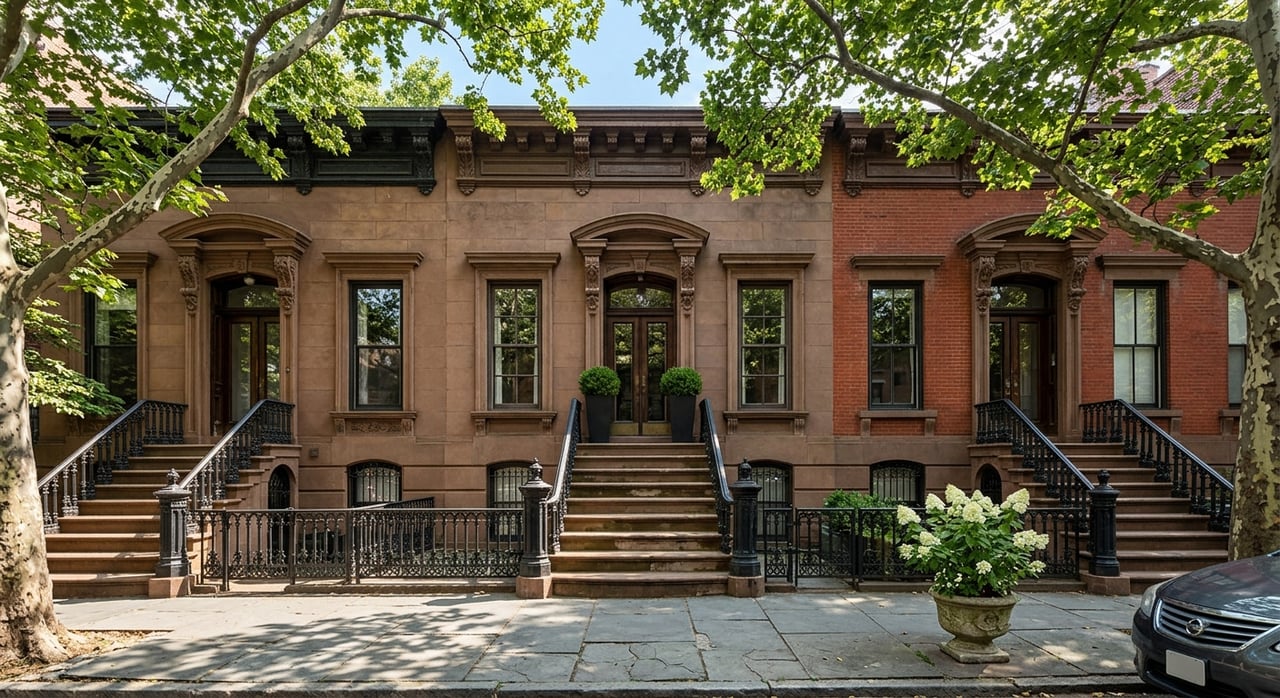
You can admire a Park Slope brownstone from the sidewalk, but living in one is a very different experience. If you are wondering whether the appeal is just visual or something you actually feel day to day, the answer is that it is both. Park Slope brownstone living blends historic architecture, a vertical home layout, and unusually easy access to major green space. Let’s dive in.
Park Slope feels residential by design
One reason Park Slope stands out is its physical setting. The neighborhood’s historic core sits west of Prospect Park, and the Landmarks Preservation Commission describes it as tree-lined, modest in scale, predominantly residential, and architecturally cohesive.
That combination shapes your daily experience in a real way. Instead of feeling dominated by large towers or constant commercial activity, many blocks feel defined by rowhouses, street trees, stoops, and a steady residential rhythm. The result is a neighborhood atmosphere that often feels settled and visually consistent.
Park Slope also takes its name from the land itself, sloping from Mount Prospect toward Gowanus Bay and sitting next to Prospect Park. That close relationship to the park is not just a map detail. It is part of how many people experience the neighborhood every week.
Prospect Park becomes part of life
If you live in a Park Slope brownstone, your outdoor routine often extends beyond your property line. Prospect Park covers 585 acres and includes Brooklyn’s only forest in the Ravine, a 60-acre lake, seven playgrounds, birdwatching areas, skating, tennis, Long Meadow, and major event spaces.
Nearby, Brooklyn Botanic Garden adds another 52 acres of public horticultural space to the broader area. Together, these destinations make it easier to build outdoor time into ordinary days, whether that means a morning walk, a playground stop, skating, tennis, or simply spending time in green space.
This is one of the defining tradeoffs and advantages of brownstone living here. Private outdoor space may not be the center of the lifestyle. Instead, many residents experience the neighborhood as one where a major public park functions almost like an extension of home.
Brownstones are vertical homes
When people picture Park Slope, they often imagine a classic brownstone facade. That image is grounded in the neighborhood’s housing stock, which the Park Slope Historic District designation report describes as mainly single-family row houses and flats buildings built from the mid-19th through early 20th centuries.
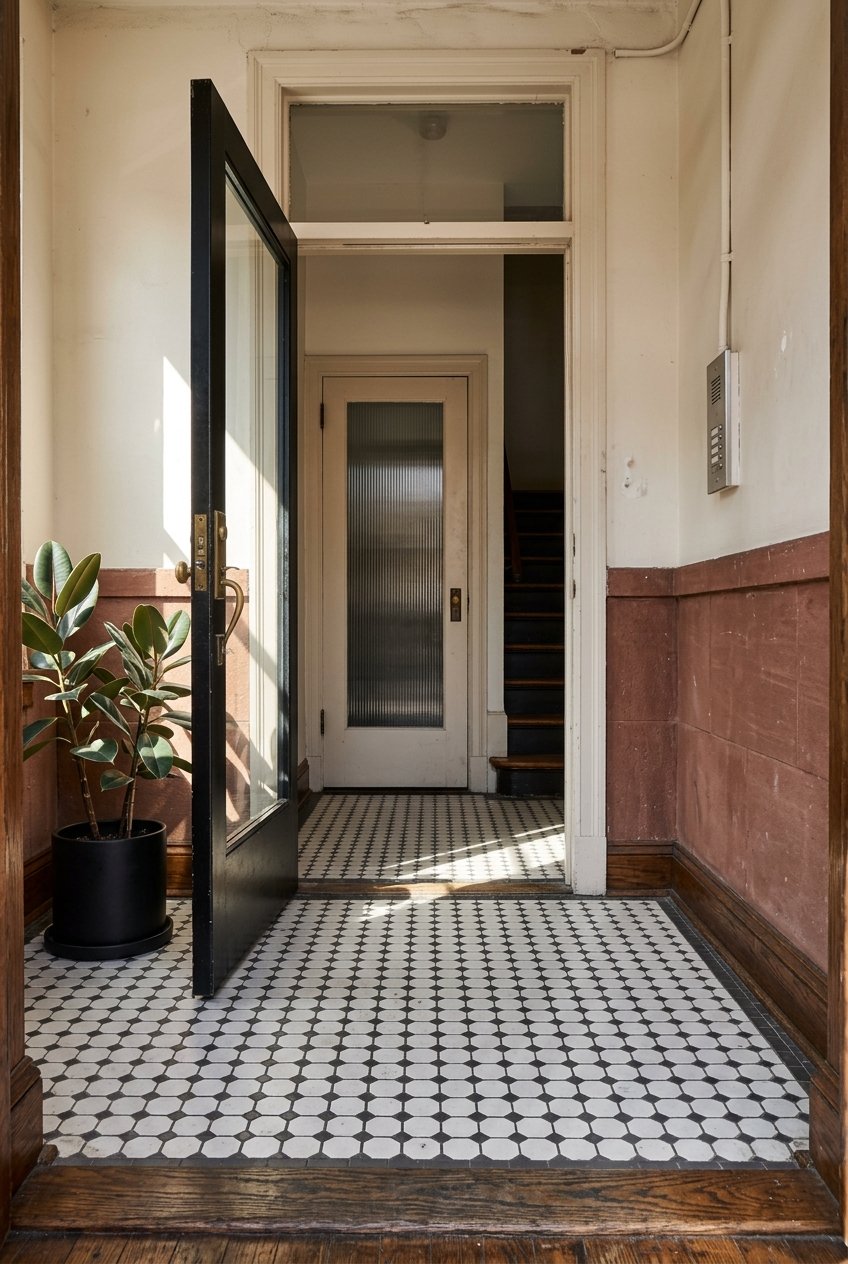
The architectural styles vary, but Italianate and neo-Grec are especially common, along with Queen Anne, Renaissance Revival, Romanesque Revival, Colonial Revival, and Gothic Revival influences. On the exterior, the details many buyers notice first are high stoops, iron handrails, balusters, recessed doorways, masonry facades, and prominent cornices.
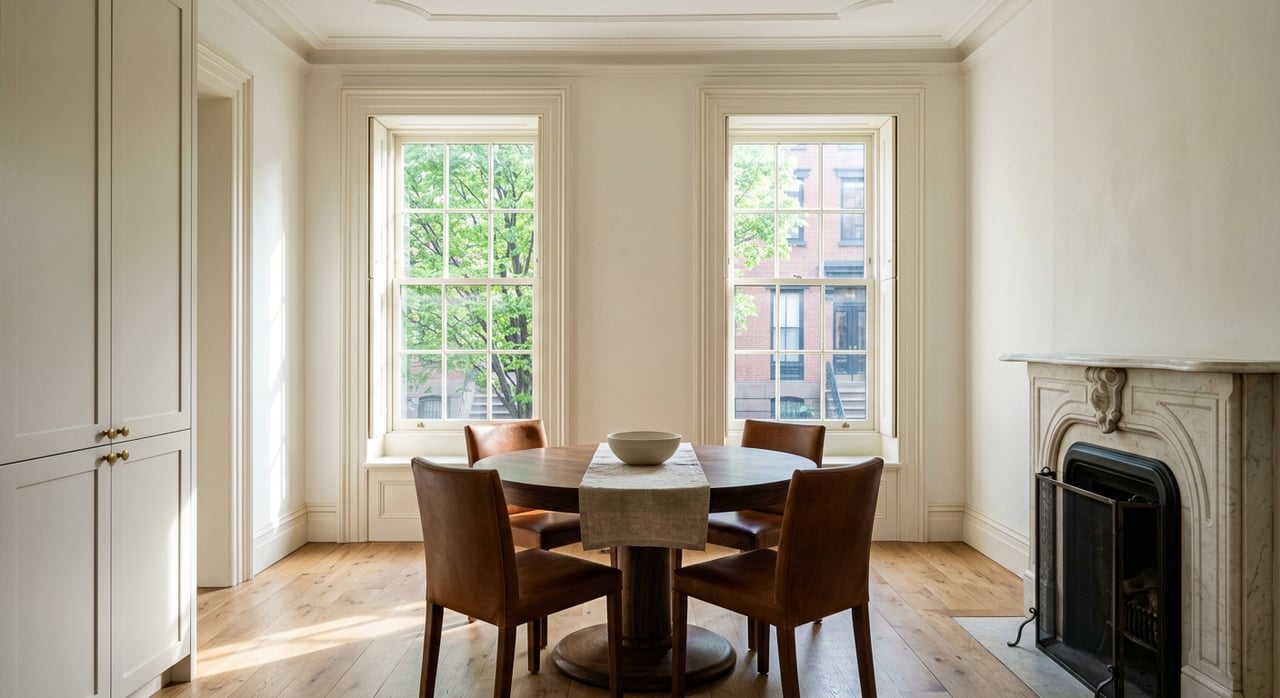
Inside, the experience is usually different from a newer condo or loft. According to the LPC Rowhouse Manual, the traditional New York rowhouse plan typically entered at the parlor level by way of a stoop, with two rooms deep and a side stair hall. Later versions introduced the American basement plan, with a central entrance at ground level or a few steps above.
What that means for you is simple: these homes tend to live vertically, not horizontally. Instead of one broad open floor plate, you are usually moving through a sequence of levels with distinct functions and moods.
Layout shapes the way the home feels
A Park Slope brownstone often feels like a home of layers. Public rooms may feel elevated and formal, while lower levels can feel more flexible and practical.
That vertical structure can be part of the charm. Rooms often feel more defined, and the separation between floors can create a sense of privacy and purpose that differs from more open-plan living.
At the same time, it is important to be realistic. Brownstone living often means more stairs and a day-to-day relationship with the home’s layout that is more active than in a single-level apartment. For many buyers, that is a worthwhile tradeoff for character, scale, and architectural presence.
Historic details are part of the appeal
Much of what gives Park Slope its identity is visible from the street. The LPC’s guidance for rowhouses emphasizes major architectural features such as stoops, ironwork, window proportions, masonry trim, and cornices.
Those details do more than make individual homes attractive. They help create the intact streetscapes that make the neighborhood feel cohesive block after block. In Park Slope, the front facade is not just a private feature. It is part of a broader architectural setting.
This helps explain why stoops and front areaways feel so important here. They are practical entry points, but they also contribute to the block’s visual rhythm and street-level experience.
Modern updates are possible
A common question is whether living in a historic district means you cannot modernize your home. In practice, the answer is more flexible than many buyers expect.
According to the NYC Landmarks Preservation Commission permit guidance, most exterior changes to front and rear facades in historic districts require review. Ordinary repairs, such as replacing broken window glass or repainting to match the existing color, generally do not.
Interior work only needs LPC review in certain situations, such as when a Department of Buildings permit is required or when the work affects the exterior. LPC also states that it does not regulate floor area, sunlight, density, or the use of the building.
That means you can often update a home for modern living, especially inside, while still working within a preservation framework for visible exterior elements. LPC also notes that it will not require a building to be made to look old-fashioned, and it cannot force an owner to restore a stoop that was removed before designation.
The tradeoff is charm and responsibility
Park Slope brownstone living tends to come with a clear exchange. You get a distinctive architectural setting, recognizable historic character, and immediate access to major green space. In return, you take on older-house realities.
Those realities often include more stairs, more maintenance, and more rules around visible exterior changes. For many buyers, that is exactly what makes the home feel special rather than generic.
The key is understanding that the charm is not separate from the responsibility. The same historic features that make these homes memorable are also the features that shape upkeep, renovation decisions, and the way the house functions day to day.
What daily life often feels like
In practical terms, Park Slope brownstone living is often a blend of block life and park life. Your home may feel rooted in a low-rise, tree-lined streetscape, while your routine extends naturally into Prospect Park and the surrounding public green space.
That combination gives the neighborhood a feel that is both urban and outdoors-oriented. You are still in Brooklyn, but the scale of the architecture and the proximity to the park can make daily life feel calmer and more grounded than many buyers expect.
If you are considering buying or selling a brownstone in Park Slope, it helps to understand not just the architecture, but the lifestyle that comes with it. For tailored guidance on Park Slope townhouses and brownstones, connect with the MINSKY | ABRISHAMI Team.
FAQs
What is a Park Slope brownstone usually like inside?
- A Park Slope brownstone is usually vertically organized, with rooms spread across multiple levels rather than one large open floor plan, based on the traditional New York rowhouse layout described in the LPC Rowhouse Manual.
What kinds of homes are common in Park Slope?
- In Park Slope, the housing stock in the historic districts is mainly made up of historic row houses and flats buildings built from the mid-19th through early 20th centuries.
Can you renovate a brownstone in Park Slope?
- Yes, especially inside, but visible exterior changes in a historic district often require review by the NYC Landmarks Preservation Commission.
What makes Park Slope feel different from other Brooklyn neighborhoods?
- The neighborhood’s tree-lined streets, modest scale, predominantly residential character, and cohesive historic architecture all contribute to its distinct feel.
How important is Prospect Park to Park Slope living?
- Prospect Park is a major part of everyday life for many residents because it offers 585 acres of public green space and a wide range of outdoor activities close to the neighborhood’s brownstone blocks.
What are the main tradeoffs of Park Slope brownstone living?
- The main tradeoffs are usually more stairs, more maintenance, and more preservation rules on visible exterior changes, in exchange for historic character and strong access to green space.