Thinking about trading a Manhattan tower for a Brooklyn brownstone? On paper, it can seem like a simple move across the river, but in practice, it is a very different ownership experience. If you are considering Brooklyn Heights, Fort Greene, or Park Slope, understanding how housing stock, transit, carrying costs, and building rules change can help you make a smarter move. Let’s dive in.
Why Brownstone Brooklyn Feels Different
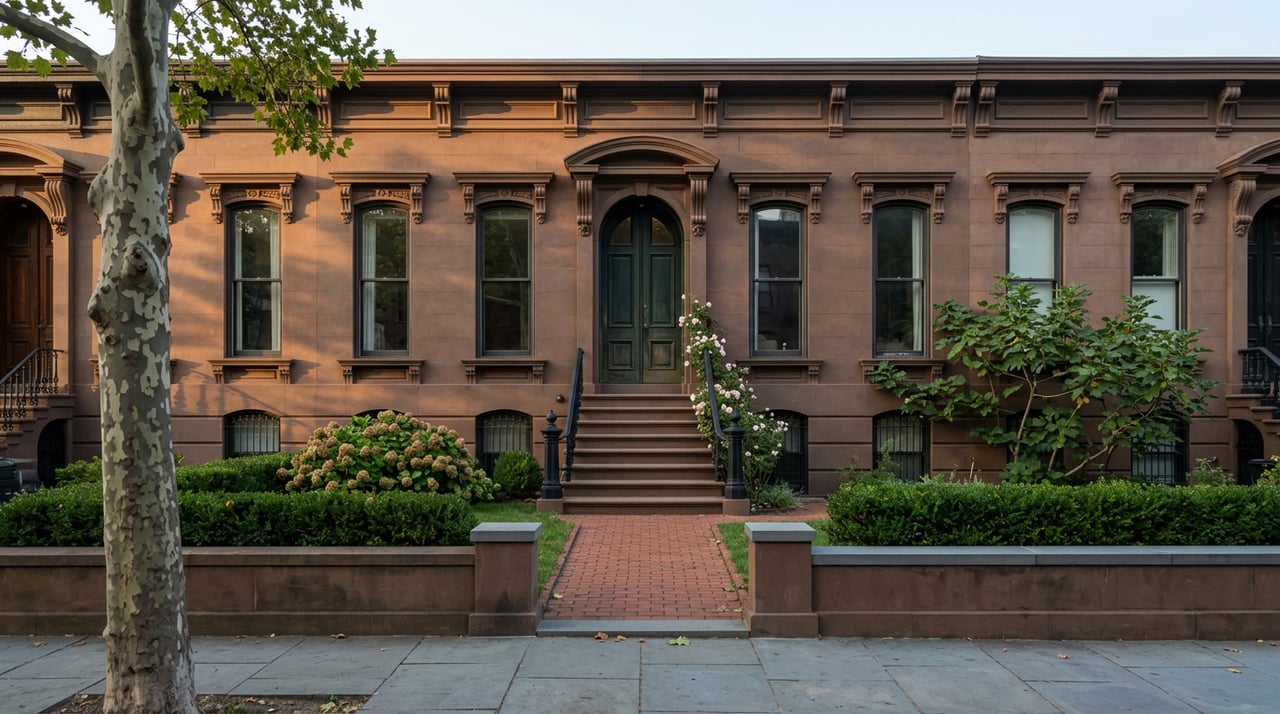
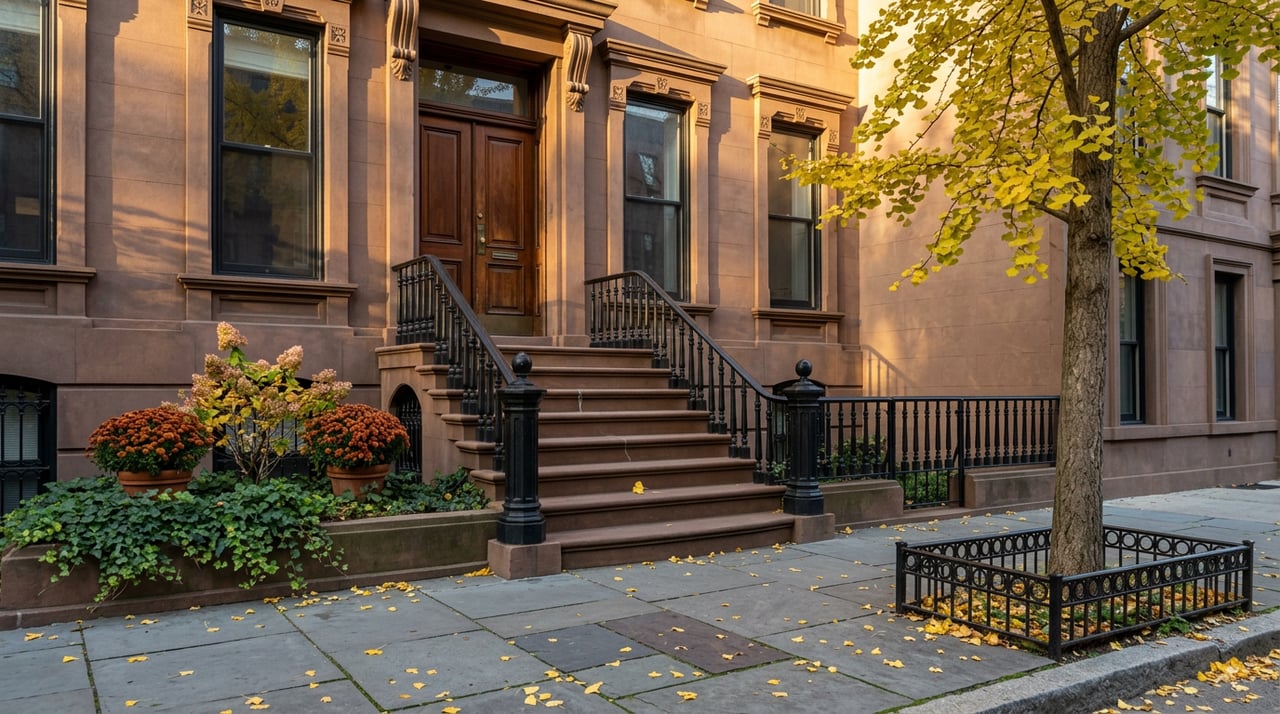
Moving from Manhattan to brownstone Brooklyn often means changing not just neighborhoods, but housing type. Instead of high-rise living, you are more likely to encounter low-rise row houses, small condo buildings, co-op conversions, and landmarked properties.
That shift matters because the building itself plays a bigger role in your day-to-day life and long-term costs. In neighborhoods like Brooklyn Heights, Fort Greene, and Park Slope, the physical structure, exterior upkeep, and ownership rules can be just as important as the apartment layout.
Housing Stock Changes Fast
Brooklyn Heights, Fort Greene, and Park Slope
Each of these neighborhoods has a strong row-house identity, but they are not interchangeable. According to NYC Landmarks Preservation Commission materials for Brooklyn Heights, the neighborhood is a compact historic district known for varied historic styles and generally uniform height.
In Fort Greene and Clinton Hill, official planning materials describe the area as predominantly three- to five-story brownstone row houses, with a broader mix that also includes one- and two-family homes and multi-family apartment buildings. Park Slope is similarly row-house oriented, with landmark materials noting that row houses make up the great majority of the buildings and that the neighborhood was in the direct path of brownstone Brooklyn.
Landmark Rules Affect Ownership
If you buy in a historic district, exterior work is more regulated than it would be in a typical condo tower. The Landmarks Preservation Commission makes clear that designation reports help guide future alterations, and its rowhouse guidance is designed for owners making exterior changes in historic districts.
For you as a buyer, that means a brownstone is more than an interior space. It also comes with a regulated exterior envelope, which can affect renovation plans, project timing, and maintenance decisions.
Commute Planning Is More Block Specific
One of the biggest surprises for Manhattan buyers is how much a Brooklyn commute can change from one block to the next. In brownstone neighborhoods, your exact address can shape which station is closest, whether you have access to local or express service, and whether your trip into Manhattan requires a transfer.
This is especially clear in official MTA neighborhood maps, which show dense but varied transit access across these areas. A home that looks close on a map may feel very different in practice depending on the avenue, station entrance, and line.
Brooklyn Heights Transit Access
Brooklyn Heights sits near a dense transit cluster that includes High St, Court St, Borough Hall, Jay St-MetroTech, and Atlantic Av-Barclays Center. That concentration can offer several routing options into Manhattan, but your day-to-day experience still depends on your exact location within the neighborhood.
Fort Greene Transit Access
Fort Greene offers especially broad transit coverage. Official planning materials describe the area as well served by mass transit, including the A and C trains under Fulton Street, the G along Lafayette Avenue, nine bus lines, and access points such as Atlantic Terminal LIRR, Hoyt-Schermerhorn Sts, Lafayette Av, DeKalb Av, and Atlantic Av-Barclays Center.
Park Slope Transit Access
Park Slope also has multiple subway options, including 4 Av-9 St, 7 Av, Union St, Bergen St, and Atlantic Av-Barclays Center. That variety can be a major benefit, but it also reinforces the same point: in brownstone Brooklyn, block-level geography matters.
Carrying Costs Go Beyond the Mortgage
If you are moving from Manhattan, you may already be used to common charges or maintenance. But when comparing a tower apartment with a brownstone condo, co-op, or townhouse-style property, the cost structure can shift in important ways.
Property Taxes and Monthly Costs
For co-ops and condos, New York City treats the property as Class 2 residential property. The Department of Finance Class 2 guide notes that the class 2 assessment percentage is 45% of market value, with the tax rate set each year.
For co-op owners, property taxes are not paid directly as a separate bill. Instead, they are embedded in maintenance or other monthly charges, which can make the true monthly cost of ownership less obvious at first glance.
Co-op and Condo Tax Abatement
The city’s co-op and condo tax abatement program can reduce taxes by 17.5% to 28.1%, depending on a building’s average assessed value. The application is handled at the building level by the board or managing agent, and the unit generally must be your primary residence.
That is helpful, but it also means you should confirm how the abatement is being applied and whether any additional filing steps are needed. For condos, deed filing with ACRIS is part of the process for individual eligibility.
Closing Taxes Matter
Closing costs can be substantial, especially at higher price points. New York State imposes a 1% mansion tax on residential conveyances of $1 million or more, including co-op shares and condo units.
New York City also applies a real property transfer tax of 1% up to $500,000 and 1.425% above that level, which the city says is usually paid by the seller. Even so, buyers should understand the full transaction picture before making a move.
Repair Exposure Is Often Higher
Older brownstones can offer architectural character and scale, but they may also bring more repair exposure than a newer high-rise building. That is true whether you are buying a townhouse-style condo, an apartment in a small conversion, or a unit in an older co-op.
The New York Attorney General’s co-op and condo guide highlights major due-diligence areas such as the facade, roof, windows, electrical wiring, plumbing, HVAC, appliances, flooring, elevators, and sub-soil conditions. It also notes that facade, roof, elevator, plumbing, electrical, and boiler repairs are among the most expensive items in existing buildings.
In practical terms, that means a beautiful brownstone apartment may still carry future assessment risk. The building can look well maintained and still need capital work that affects ownership costs later.
Co-op Versus Condo Matters More Here
In brownstone Brooklyn, buyers are often choosing among small condos, converted townhouses, and older co-op buildings rather than large new developments. That makes the co-op versus condo decision especially important.
Flexibility and Future Plans
According to the NYC Comptroller’s housing market report, condos can be owned as investments and rented out, while co-ops generally limit that except in certain situations. If you want future subletting flexibility or fewer resale restrictions, that difference can carry real weight.
For buyers coming from Manhattan, this often becomes a lifestyle and planning question, not just a pricing question. Your five-year plan matters as much as your monthly numbers.
Review the Building Carefully
The Attorney General stresses that co-op and condo purchases carry significant legal and financial consequences and that buyers should read the full offering plan and consult counsel before signing. The same guidance recommends reviewing board minutes and financial reports, since they often reveal repair issues or capital needs that may not be obvious during a showing.
That advice is especially relevant in older Brooklyn buildings. A well-styled apartment can be very appealing, but the building’s financial health and repair history still deserve close attention.
Neighborhood Notes to Keep in Mind
Brooklyn Heights
Brooklyn Heights offers a long-established historic-district identity and a compact footprint. It combines varied architecture with generally uniform building height, which can create a distinct low-rise streetscape compared with many parts of Manhattan.
For commuters, the neighborhood’s downtown-adjacent transit cluster is a major advantage. Still, even here, your exact block can shape the feel and efficiency of the commute.
Fort Greene
Fort Greene combines a strong brownstone presence with a broad transportation network. The neighborhood includes predominantly three- to five-story row houses, along with other residential building types, and it benefits from extensive subway, bus, and LIRR access.
If convenience is high on your list, Fort Greene often stands out because of that transit coverage. It can offer a strong balance between brownstone living and connected commuting.
Park Slope
Park Slope is deeply associated with classic brownstone Brooklyn. Landmark materials describe a neighborhood where row houses make up the great majority of buildings, with mainly single-family row houses and flats buildings in the district and extension.
The neighborhood also offers multiple subway options, but exact location remains critical. Two homes in Park Slope can feel very different from a transit standpoint even if they are both in the same broader neighborhood.
How to Approach the Move Strategically
If you are moving from Manhattan to brownstone Brooklyn, it helps to evaluate each property through four lenses:
- Housing form: Are you buying into a row-house building, a small condo, or a co-op conversion?
- Landmark status: Will exterior rules affect renovations or maintenance plans?
- Commute pattern: What is the actual walk and train route from that exact block?
- Carrying costs: What do taxes, maintenance, common charges, and future repair exposure look like together?
This kind of move is rarely just about square footage. It is about how the building functions, how the block connects to the city, and how the ownership structure fits your plans.
If you are weighing a move from Manhattan into Brooklyn Heights, Fort Greene, or Park Slope, working with a team that understands brownstone product, co-op and condo differences, and neighborhood-level tradeoffs can make the process much clearer. The MINSKY | ABRISHAMI Team offers thoughtful guidance for Brooklyn buyers who want a more informed and more tailored transition.
FAQs
What changes most when moving from Manhattan to brownstone Brooklyn?
- The biggest change is often the housing type itself, since you may be moving from a high-rise building into a low-rise row house, co-op conversion, or small condo with different maintenance, rules, and ownership considerations.
What should Manhattan buyers know about landmarked Brooklyn brownstones?
- In historic districts, exterior alterations are more regulated, so renovation plans, facade work, and other outside changes may require additional review.
How important is exact block location in Brooklyn Heights, Fort Greene, or Park Slope?
- It is very important because the nearest station, train type, and transfer needs can change noticeably from one block or avenue to another.
Are carrying costs in brownstone Brooklyn different from Manhattan apartments?
- They can be, because your total monthly cost may include taxes, maintenance, common charges, and potential repair exposure that is less visible at first glance.
What is the key difference between a co-op and condo in brownstone Brooklyn?
- A major difference is flexibility, since condos generally allow more freedom for future renting or investment use, while co-ops often have stricter limits.
What due diligence matters most for older Brooklyn buildings?
- Buyers should review building financials, board minutes, offering plans, and the condition of major systems such as the roof, facade, plumbing, electrical, and windows.