Looking for a Brooklyn neighborhood where daily life feels both rooted and lively? Fort Greene stands out because it brings together historic brownstone blocks, a major park, and a strong cultural calendar in a way that feels easy to use every day. If you are considering a move, planning a sale, or simply trying to understand the area better, this guide will show you how Fort Greene’s housing, green space, and public life shape the neighborhood’s rhythm. Let’s dive in.
Fort Greene’s built identity
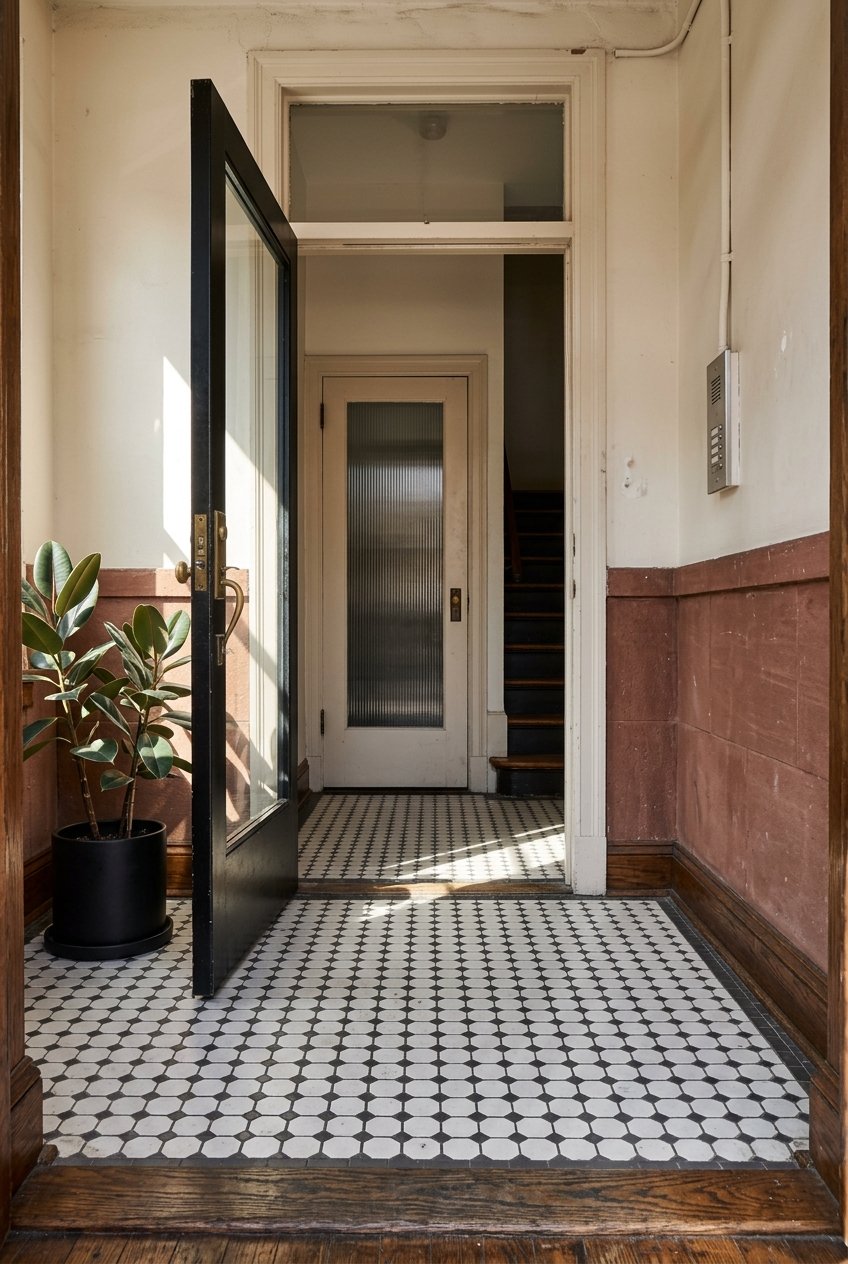
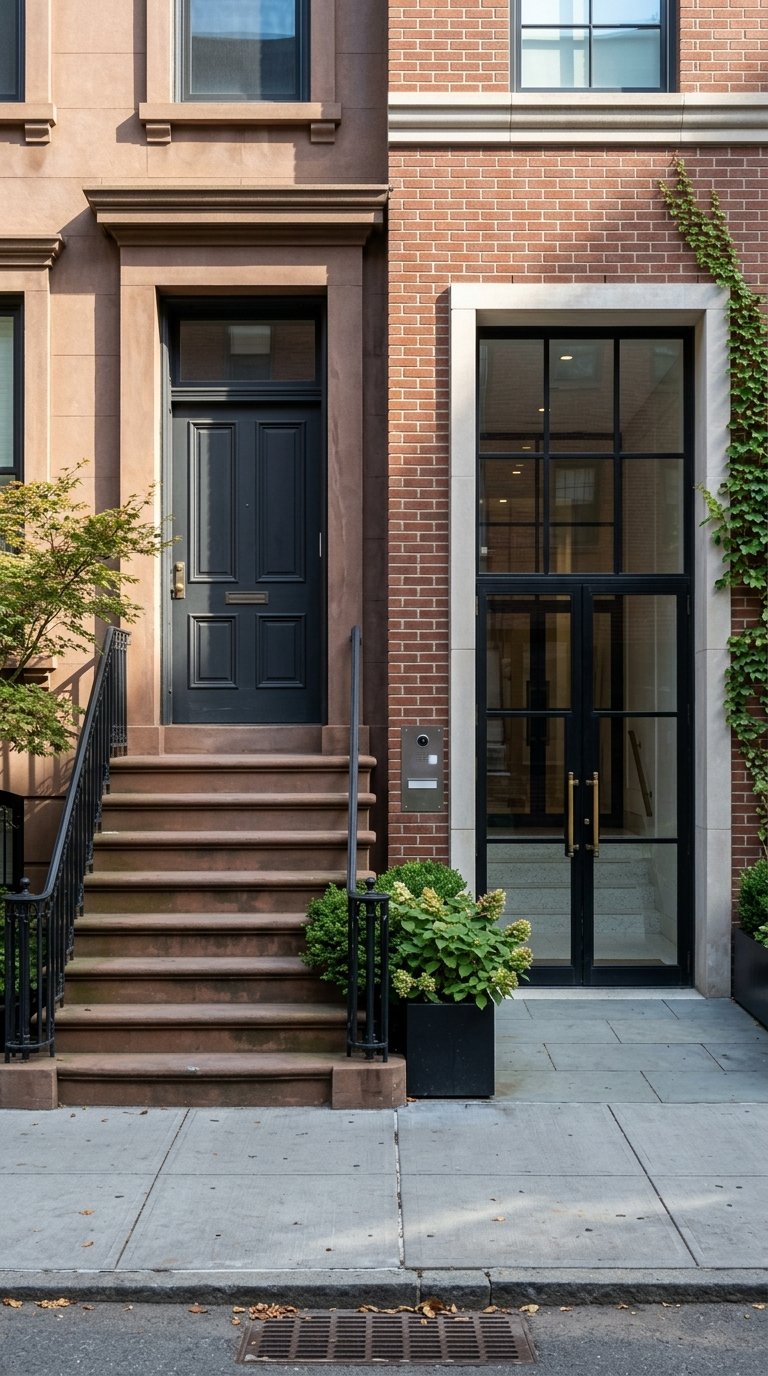
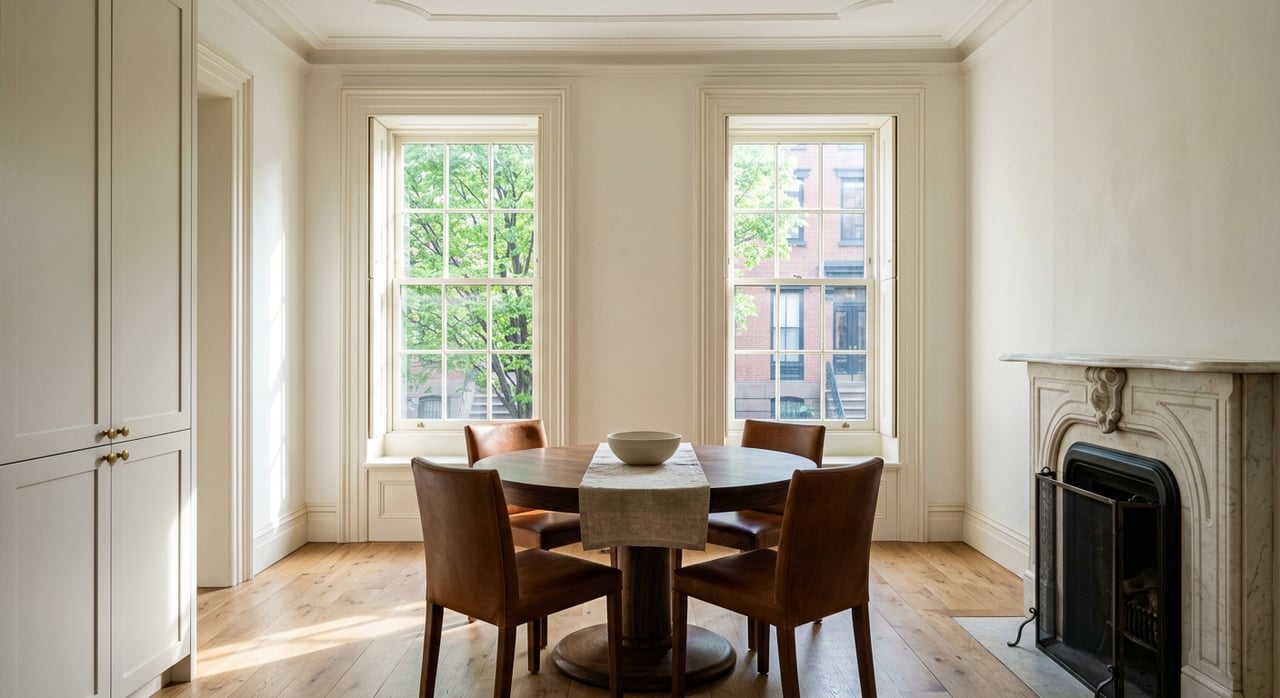
Fort Greene is widely recognized for its historic housing fabric. The Fort Greene Historic District includes Italianate, Queen Anne, and Neo-Grec brownstone and brick row houses built between 1855 and 1875, which helps explain why so many blocks feel visually consistent and preservation-minded.
If you walk the neighborhood, that identity reads clearly. You see stoops, low-rise streetscapes, and masonry details that give the area a classic Brooklyn feel. For buyers, that can mean a strong sense of place. For sellers, it can mean marketing a home within a neighborhood with a well-defined architectural story.
Downtown Brooklyn changes the mix
Fort Greene is not only about historic row houses. Brooklyn Community District 2 notes that the 2004 Downtown Brooklyn rezoning and later high-rise development changed the housing mix and skyline along the nearby edge of the neighborhood.
That contrast matters in practical terms. You can find landmarked brownstone living while also being close to newer condo inventory and a more vertical skyline. For many buyers, that mix creates flexibility in both lifestyle and housing type.
Fort Greene Park anchors the neighborhood
Fort Greene Park is central to how the neighborhood works day to day. NYC Parks lists the park at 30.17 acres, with 760 mapped trees, making it a substantial and visible part of local life rather than a small pocket of green.
The park is also actively maintained and improved. NYC Parks reports a Park Condition Score of 91, about $15 million in recent investment, and an ongoing reconstruction project that includes entrances, paths, the plaza, and drainage infrastructure.
That combination of size, upkeep, and visibility shapes the neighborhood’s rhythm. Instead of being an occasional destination, the park often functions as part of people’s normal routine.
What you can use in the park
Fort Greene Park offers more than open lawn and shade. NYC Parks describes facilities that include ball courts, barbecues, playgrounds, rolling hills, spray fountains, and mature trees.
The park also carries visible history. Its official history includes Revolutionary War roots and the Prison Ship Martyrs Monument, which gives the landscape a civic and historical presence alongside everyday recreation.
Park programming adds social life
A strong neighborhood park matters even more when people actually use it together. The Fort Greene Park Conservancy supports that with free public programming that spans culture, nature, and wellness.
Its calendar includes Poetry in the Park, Black History and Culture Tour programming, Soul Summit, a jazz festival, yoga, HIIT, youth naturalist activities, and environmental justice fellowships. For residents, that helps the park act as a recurring social venue, not just an amenity on a map.
The Greenmarket shapes Saturdays
In Fort Greene, Saturday has a recognizable anchor. The Fort Greene Greenmarket operates year-round on Saturdays from 8:00 a.m. to 3:00 p.m. on Washington Park between DeKalb and Willoughby Avenues, just outside the historic park entrance.
GrowNYC notes that the market has connected local farms and farmers to the neighborhood since 2003. It also includes cooking demonstrations, education, and family activities, which makes it feel like a gathering point as much as a shopping stop.
For many residents, that kind of weekly routine matters. A neighborhood becomes easier to imagine when there is a clear place to walk to, browse, shop for staples, and run into familiar faces.
Arts and culture are part of daily life
Fort Greene’s cultural identity is not tucked away from daily life. Nearby institutions listed by NYC Parks include BAM, MoCADA, BRIC, and Pratt Institute, giving the area a notable concentration of arts and educational presence.
BAM, founded in 1861 in Fort Greene, operates four Brooklyn venues and includes dining options. BRIC House is described as a 40,000-square-foot multidisciplinary arts and media complex. MoCADA’s flagship gallery and cafe sit on Lafayette Avenue in the heart of Fort Greene.
Together, these institutions help explain why the neighborhood often feels active beyond business hours. A typical evening can include a performance, exhibition, media event, or a casual meet-up before or after a program.
MoCADA blends culture and routine
MoCADA is especially useful for understanding Fort Greene’s everyday character. The museum centers its mission on Art + Education + Social Justice through the lens of Africa and the diaspora.
It also includes a cafe designed as a place to gather or work remotely, along with the free Ubuntu Garden community green space. That blend of culture and daily use gives Fort Greene a kind of neighborhood infrastructure that supports both planned outings and ordinary weekday routines.
Getting around without a car
Fort Greene is set up well for a car-light lifestyle. According to NYC Parks, Fort Greene Park is accessible by the A and C at Lafayette Avenue, the G at Fulton Street, the D, H, N, Q, and R at DeKalb Avenue, and the 2, 3, 4, and 5 at Atlantic Avenue or Nevins Street.
BRIC’s visitor information also points to access near Nevins, DeKalb, Lafayette, Fulton, and Atlantic Terminal and LIRR. In practical terms, that means many residents can move between home, transit, the park, and cultural destinations on foot and by subway.
That ease of movement contributes to the area’s daily rhythm. If you can reach errands, events, and green space without much friction, the neighborhood tends to feel more connected.
Food routines feel layered
Fort Greene’s food scene reads less like a single restaurant strip and more like a set of overlapping routines. MoCADA Cafe offers coffee, tea, and bites, while BRIC House includes a cafe within its venue mix.
The Greenmarket adds locally grown and produced foods, breads, cheeses, and other staples. That creates a pattern built around coffee stops, market shopping, and event-night meals rather than one central dining corridor.
For many buyers, that type of neighborhood use matters. It suggests a place where daily errands and leisure can happen in the same few blocks without feeling repetitive.
What Fort Greene living can feel like
Taken together, Fort Greene offers a pace that feels active but not chaotic. The neighborhood supports a park-first morning, a Saturday market stop, and an evening tied to arts or public programming, often with a lot of walking between each point.
That rhythm is part of the appeal. Historic housing, cultural institutions, and green space do not feel separated here. They reinforce each other and create a lifestyle that is easy to picture and, for many residents, easy to maintain.
What buyers should notice
If you are buying in Fort Greene, the main draw may be the combination of architectural character, open space, and cultural access. Landmark blocks can offer a strong visual identity, while the nearby Downtown Brooklyn edge adds options for those considering condo inventory.
It is also a neighborhood where location within the area can shape the experience. Some homes lean more into the historic brownstone setting, while others benefit from proximity to newer buildings, transit hubs, or arts venues. Understanding that block-by-block difference can be important when matching your home search to your routine.
What sellers should notice
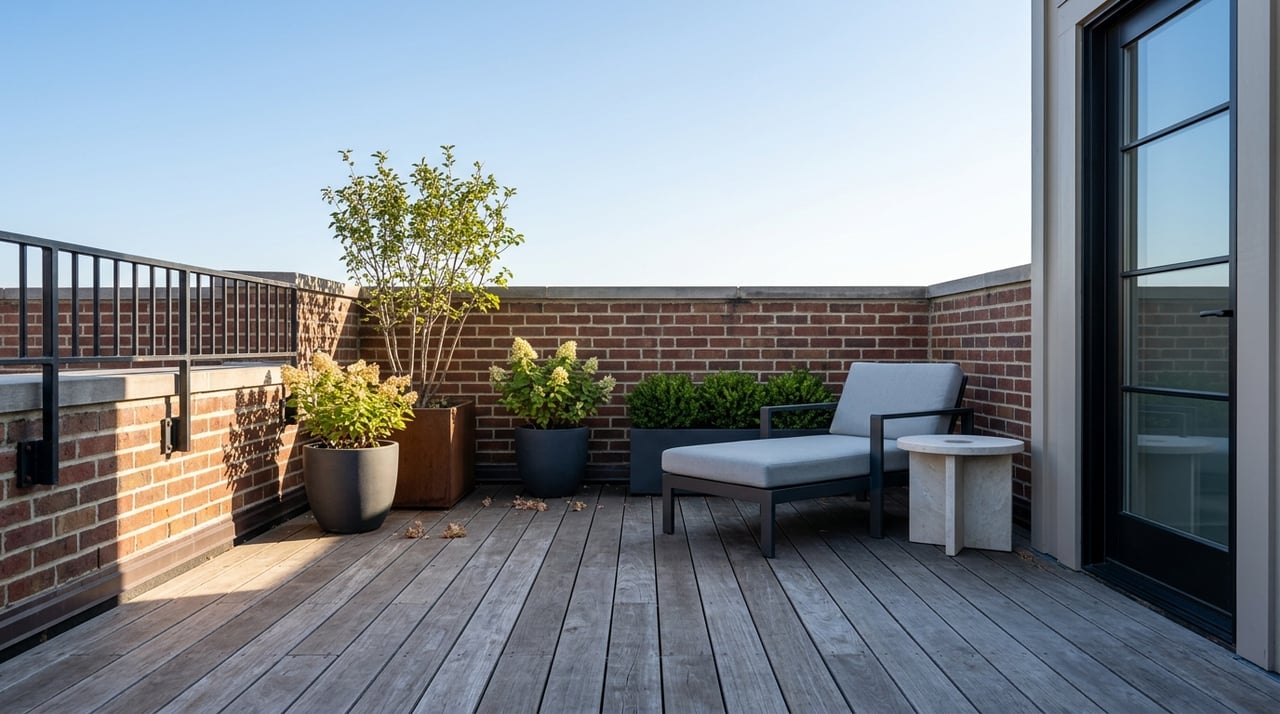
If you are selling in Fort Greene, the neighborhood gives you a clear lifestyle story to present. Buyers are often responding not only to square footage or finishes, but also to the relationship between the home, the park, the architecture, and the surrounding cultural institutions.
That is especially relevant for historic townhouses and upper-tier condos. A well-positioned listing can highlight the neighborhood’s walkability, landmark character, nearby transit, and established cultural presence in a way that feels specific rather than generic.
For sellers who value polished presentation and careful execution, that level of positioning matters. In a neighborhood with strong identity, details around pricing, presentation, and narrative can shape how buyers understand value.
If you are considering buying or selling in Fort Greene, the MINSKY | ABRISHAMI Team offers white-glove guidance rooted in deep Brooklyn expertise, from strategic pricing and premium listing presentation to buyer support and negotiation.
FAQs
What is Fort Greene known for in Brooklyn?
- Fort Greene is known for its historic brownstone blocks, Fort Greene Park, and nearby cultural institutions such as BAM, BRIC, and MoCADA.
How big is Fort Greene Park?
- NYC Parks lists Fort Greene Park at 30.17 acres.
What can you do in Fort Greene Park?
- Fort Greene Park includes ball courts, barbecues, playgrounds, spray fountains, rolling hills, mature trees, public programming, and historical features such as the Prison Ship Martyrs Monument.
When is the Fort Greene Greenmarket open?
- The Fort Greene Greenmarket is open year-round on Saturdays from 8:00 a.m. to 3:00 p.m.
Is Fort Greene good for car-light living?
- Fort Greene has access to multiple subway lines near Lafayette Avenue, Fulton Street, DeKalb Avenue, Atlantic Avenue, and Nevins Street, which supports a car-light routine.
What types of homes are found in Fort Greene?
- Fort Greene includes historic brownstone and brick row houses in the landmark district, with additional condo inventory influenced by nearby Downtown Brooklyn development.