Looking for outdoor space in Park Slope can feel simple at first, until you realize that not all outdoor space lives the same way. A rear garden, a roof terrace, a balcony, and even easy access to Prospect Park each offer a very different day-to-day experience. If you are trying to decide what actually fits your routine, this guide will help you compare the options clearly and confidently. Let’s dive in.
Why outdoor space feels different in Park Slope
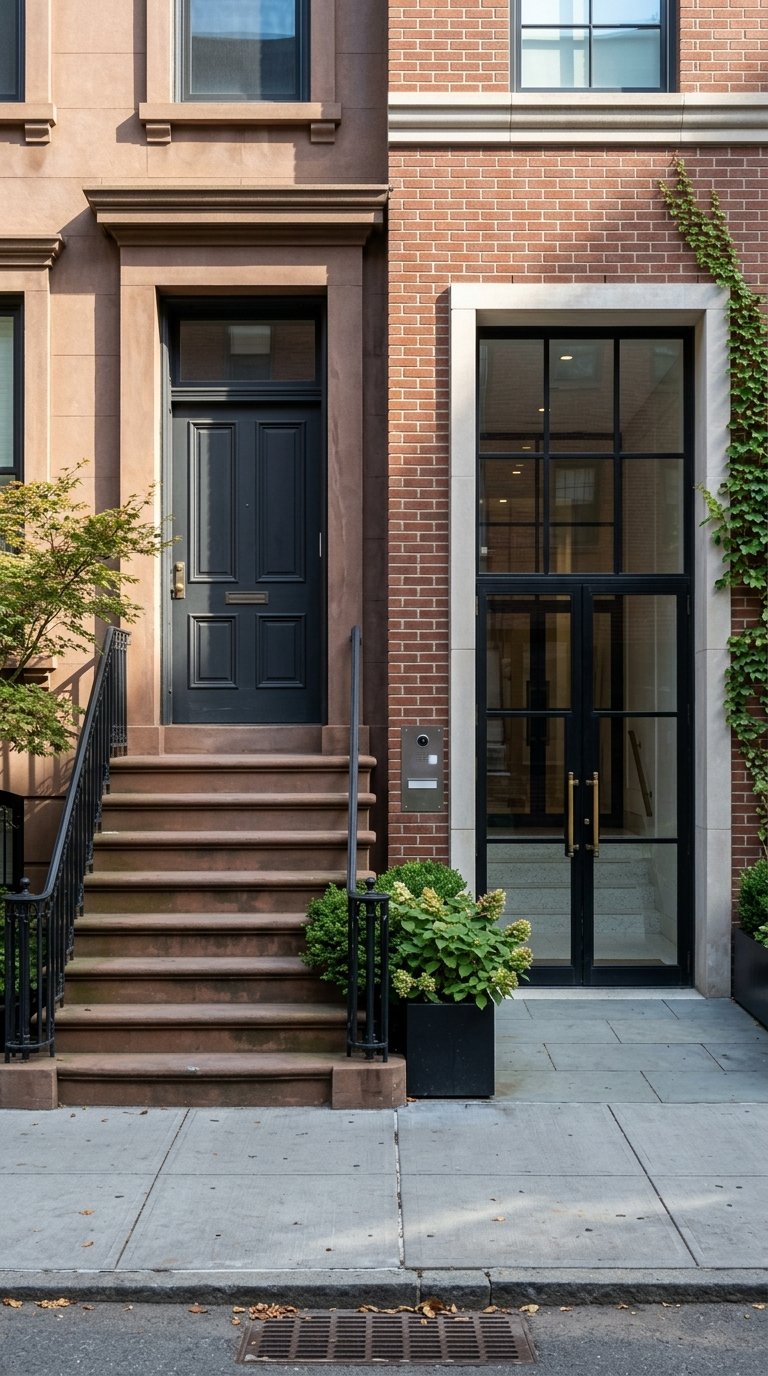
Park Slope’s housing stock is shaped by historic rowhouse blocks, along with flats buildings built mainly from the mid-19th to early 20th century. Local preservation and zoning patterns have helped maintain that rowhouse-scale feel. In practical terms, that often means outdoor space here is more compact and specialized than what buyers might expect in other markets.
Instead of large private yards being the norm, you are more likely to choose between a garden-level setup, a balcony, a roof terrace, or proximity to Prospect Park. Each option can be valuable, but each supports a different lifestyle. The right fit depends less on the label and more on how you plan to use it.
Start with how you want to live
Before you compare square footage or views, ask a simpler question: what do you want your outdoor space to do most days? That answer usually narrows the search faster than a broad wish list.
If you want to step outside with coffee in the morning, tend herbs, or give a pet quick outdoor access, garden space may be the strongest match. If you care more about sun, skyline views, and having friends over, a roof terrace may be worth prioritizing. If you mainly want a quick breath of fresh air, a balcony may be enough.
And if you want outdoor life without the upkeep, living near Prospect Park can matter more than having private exterior space at all. In Park Slope, that tradeoff is often a smart one.
Garden apartments and rear yards
Why buyers like them
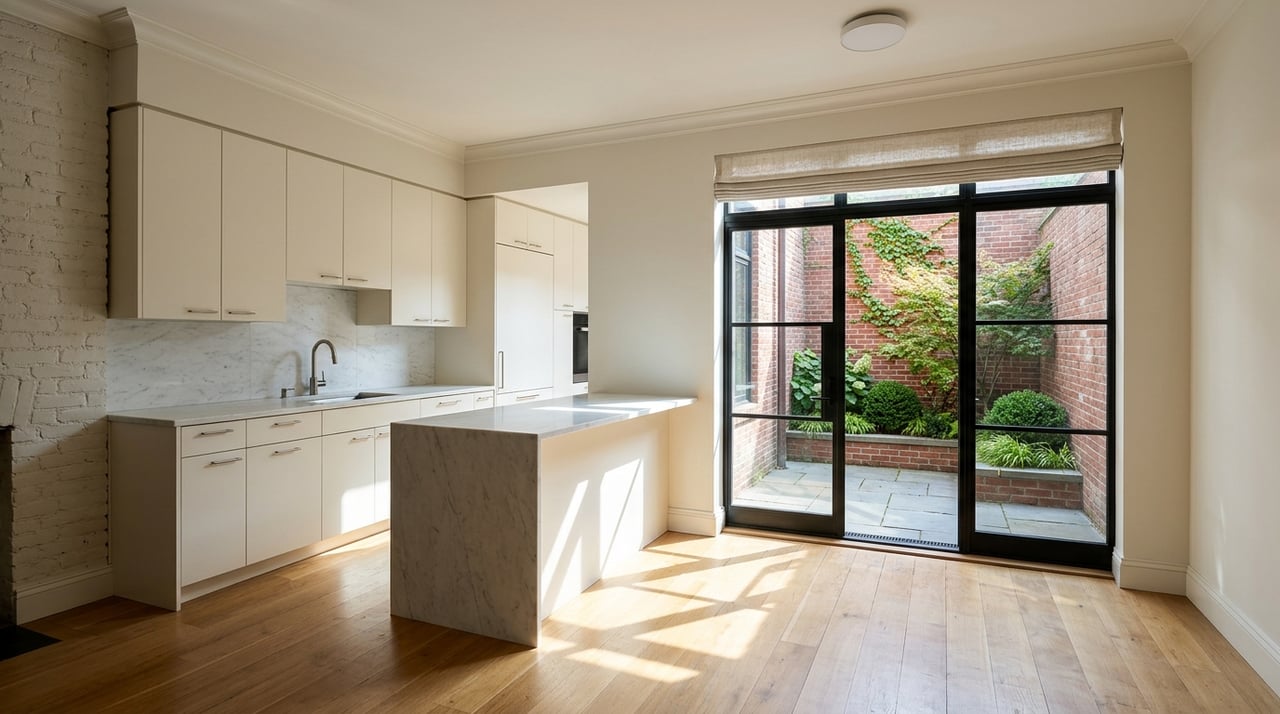
A garden apartment in Park Slope is typically a lower-floor unit connected to a rear yard or courtyard. This setup often feels the most residential because your outdoor space is directly tied to your living area. For many buyers, that easy access is the biggest advantage.
A rear yard can work well if you picture daily use rather than occasional use. It may be the best fit if you want outdoor dining, container gardening, or a more grounded connection to the home.
What to check during a tour
The appeal of a garden-level space depends heavily on real-world conditions. Light, privacy, drainage, and upkeep can all vary from one property to the next. Two homes may both advertise garden access, but the experience can be very different.
NYC housing rules also tie light and ventilation to windows opening onto a street, yard, court, or other open space. That makes it important to look beyond the listing description and assess the actual exposure of the apartment. In a garden unit, daylight can be a major quality-of-life factor.
Best fit for
Garden access is often the best fit if you want:
- Direct outdoor access every day
- A space for plants or casual outdoor meals
- A more private, enclosed feel
- A lower-profile outdoor setup tied closely to the home
Roof terraces
Why buyers like them
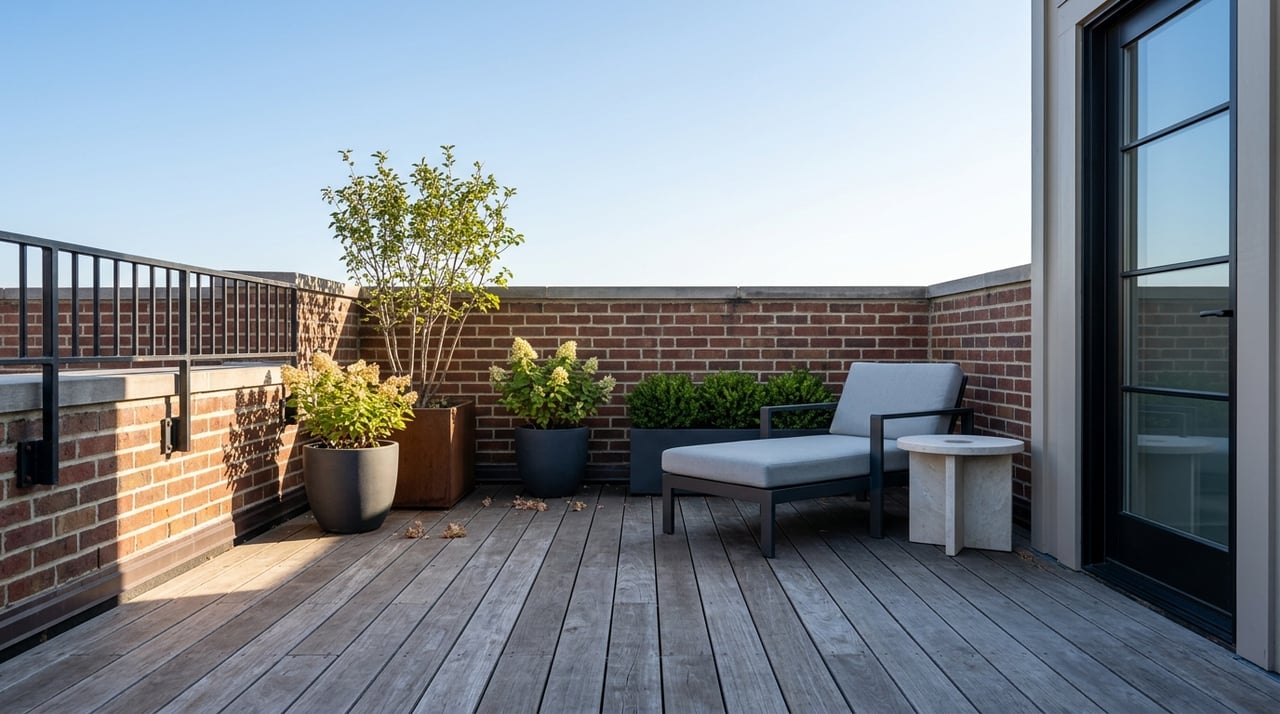
If your priority is light, views, and a sense of separation from the street, a roof terrace often stands out. In Park Slope, this can feel like the most dramatic form of outdoor space because it creates openness in a neighborhood defined by rowhouse scale.
For some buyers, a roof terrace functions almost like an outdoor living room in the warmer months. It can be especially appealing if you enjoy entertaining or simply want a private place to unwind above the block.
What to check during a tour
Roof terraces are also the most code-sensitive option. In New York City, most construction requires approval and permits, and deck or porch work requires filings by a professional engineer or registered architect. Occupied rooftops and terraces in new buildings or alterations must also be designed under the construction codes and shown on the certificate of occupancy.
That means you should ask clear questions. Was the terrace properly permitted? Were later changes filed correctly? Does the certificate of occupancy reflect the current setup? These details matter because they affect both usability and future peace of mind.
If the space is designed for larger gatherings, additional rules can apply. Railings are also required where the walking surface is more than 30 inches above adjacent grade, and they must be at least 42 inches high.
Best fit for
A roof terrace may be the strongest match if you want:
- More sunlight and open sky
- Better views and separation from surrounding buildings
- Space that supports entertaining
- A stronger sense of escape within the city
Balconies
Why buyers like them
A balcony is usually the smallest and simplest outdoor option. In NYC terms, a balcony is an above-grade extension on the outside of a building with access from an occupied interior space. For many buyers, that makes it more of a convenience feature than a full outdoor room.
That does not make it less useful. If your goal is a spot for fresh air, a chair, or a few plants, a balcony can deliver exactly what you need without asking for much maintenance.
What to check during a tour
With balconies, scale and privacy matter a lot. A balcony may look appealing in photos, but in person it may feel narrow, exposed, or more decorative than functional. Street-facing orientation can also affect how private it feels.
Safety is another practical consideration. If a child under 11 lives in the unit, window guards are required in many buildings, including windows that lead to terraces or balconies. Access details like that can shape how comfortable the space feels in daily use.
Best fit for
A balcony is often enough if you want:
- A compact, low-maintenance outdoor feature
- Fresh air without major upkeep
- A smaller footprint that still adds flexibility
- An outdoor amenity that supports quick daily use
Prospect Park as your outdoor extension
Why it matters
Not every buyer needs private outdoor space to enjoy outdoor living in Park Slope. Prospect Park is one of the neighborhood’s defining assets, and for many households it functions as a practical substitute for a private backyard.
The park spans 585 acres and offers a wide range of ways to spend time outside, including birdwatching, skating, playgrounds, meadow space, woodlands, and a lake. That kind of shared outdoor access can change what you truly need from your home search.
Why it works year-round
Prospect Park is also relevant in colder months, when private terraces and balconies may see less use. Winter activities include sledding, winter birdwatching, ice skating, winter walks, volunteer cleanup, and year-round greenmarkets.
That year-round value matters in Brooklyn’s climate. Climate normals for Central Park show average summer temperatures of 75.2°F and average winter temperatures of 36.2°F, which means private outdoor space is generally most comfortable from late spring through early fall. A nearby park helps keep outdoor life active beyond that window.
Best fit for
Prospect Park proximity may matter most if you want:
- Outdoor life without private upkeep
- More room than a balcony or terrace can provide
- Flexible year-round recreation options
- A public outdoor resource integrated into daily routine
What to compare when touring homes
Maintenance and legality
If a home has a roof terrace or deck, ask whether it was properly permitted and whether changes are reflected on the certificate of occupancy. Balcony and terrace enclosures can also be subject to façade inspection requirements. In buildings with parapets fronting the public right-of-way, annual observation and recordkeeping are required.
You do not need to become a code expert during a showing. You do want clear answers about what exists, how it was built, and whether it aligns with city requirements.
Privacy and exposure
Privacy in outdoor space often comes down to orientation, elevation, and whether the area is private or shared. A rear-yard garden space usually feels more enclosed than a street-facing balcony. A roof terrace may feel open and expansive, but that can also mean more visibility from neighboring buildings depending on the setup.
Prospect Park offers the most space, but it is public rather than private. That tradeoff is not a flaw. It is simply a different kind of outdoor living.
Light and ventilation
Light should be evaluated as carefully as the outdoor feature itself. NYC’s Housing Maintenance Code sets standards for living-room windows, including requirements tied to streets, yards, courts, or other open space.
That is why exposure matters so much in Park Slope. A garden unit with outdoor access may still feel dark, while a smaller balcony off a brighter apartment may support daily life better.
Safety and access
Small details can shape how often you use an outdoor area. Check whether access is through a full door or a window, and review railing and enclosure details where relevant. If children are part of your household, window-guard requirements should be part of the conversation as well.
A simple framework for choosing
If you are comparing several Park Slope properties, it helps to rank outdoor priorities in plain language. Try using this framework:
- Choose garden access if you want daily ease, a residential feel, or room for plants and casual outdoor use.
- Choose a roof terrace if you want light, views, and space that supports entertaining.
- Choose a balcony if you want a compact place for fresh air with a smaller footprint.
- Choose Prospect Park proximity if you want outdoor lifestyle without the responsibilities of private upkeep.
In Park Slope, the best outdoor space is not always the biggest or most dramatic. It is the one that matches how you actually live, how much upkeep you want, and how you want your home to feel through the seasons.
If you are weighing these tradeoffs in Park Slope, the MINSKY | ABRISHAMI Team can help you compare properties with a clear eye for layout, livability, and long-term fit.
FAQs
What kind of outdoor space is most common in Park Slope homes?
- In Park Slope, buyers often compare smaller and more specialized outdoor options like rear gardens, roof terraces, balconies, or nearby park access rather than large private yards.
How should buyers evaluate a Park Slope garden apartment?
- When touring a Park Slope garden apartment, pay close attention to daylight, privacy, drainage, upkeep responsibilities, and how the unit’s windows and exposure affect livability.
What should buyers ask about a Park Slope roof terrace?
- For a Park Slope roof terrace, ask whether the space was properly permitted, whether any alterations are reflected on the certificate of occupancy, and whether safety features like required railings are in place.
Is a balcony enough for outdoor living in Park Slope?
- A balcony can be enough in Park Slope if your main goal is fresh air, a small seating area, or a few plants rather than a larger outdoor room.
Can Prospect Park replace private outdoor space in Park Slope?
- For many buyers, Prospect Park can function as a practical outdoor extension because it offers 585 acres of year-round recreation without private maintenance.
Why does light matter when choosing outdoor space in Park Slope?
- Light matters because the comfort of a Park Slope home depends not just on having outdoor access, but on how windows, exposure, and surrounding open space affect the interior living areas.
When is private outdoor space most usable in Brooklyn?
- Private outdoor space in Brooklyn is usually most comfortable from late spring through early fall, while nearby Prospect Park can help extend outdoor habits into winter.