Trying to choose between a Boerum Hill condo and a townhouse? In this part of Brooklyn, that decision can shape not just how you live, but how you budget, renovate, and manage your home over time. If you are drawn to Boerum Hill’s historic streets, strong transit access, and mix of classic rowhouses and newer buildings, it helps to understand what each ownership path really involves. Let’s dive in.
Why this choice matters in Boerum Hill
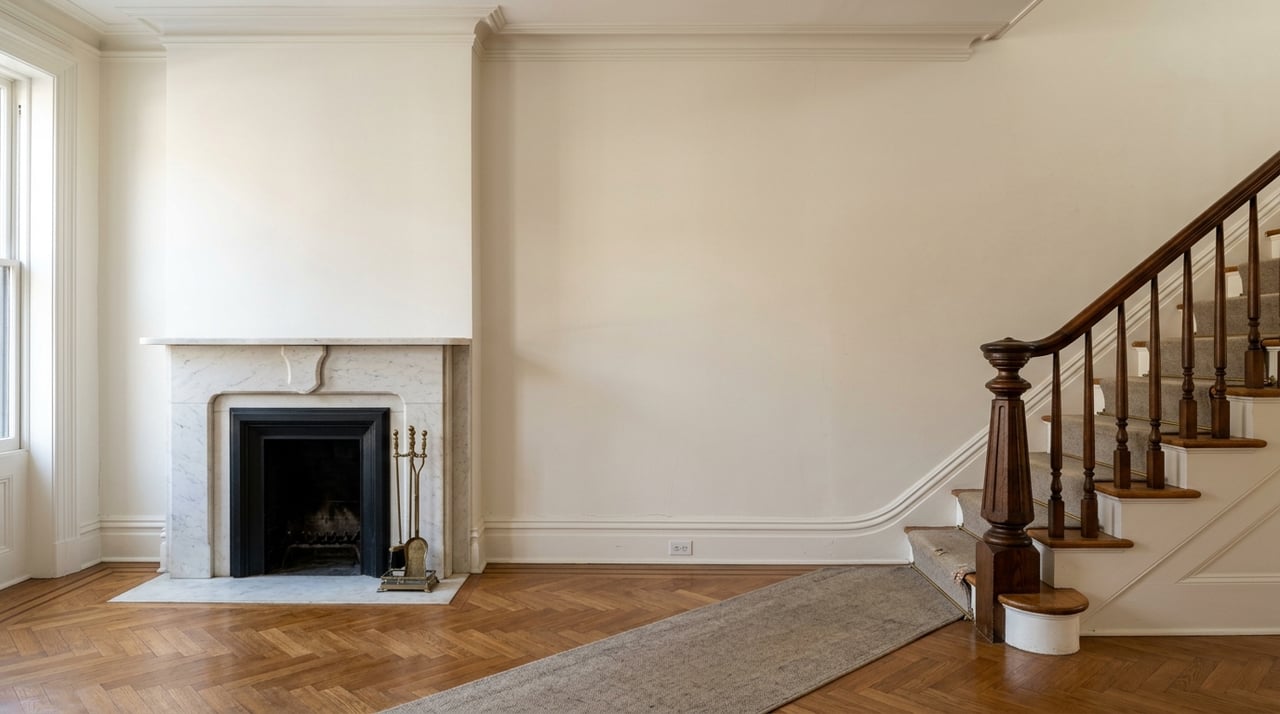
Boerum Hill is not a one-size-fits-all housing market. The neighborhood is known for its low-rise character, with many rowhouses dating to the late 1860s and early 1870s, and the Boerum Hill Historic District has been in place since 1973.
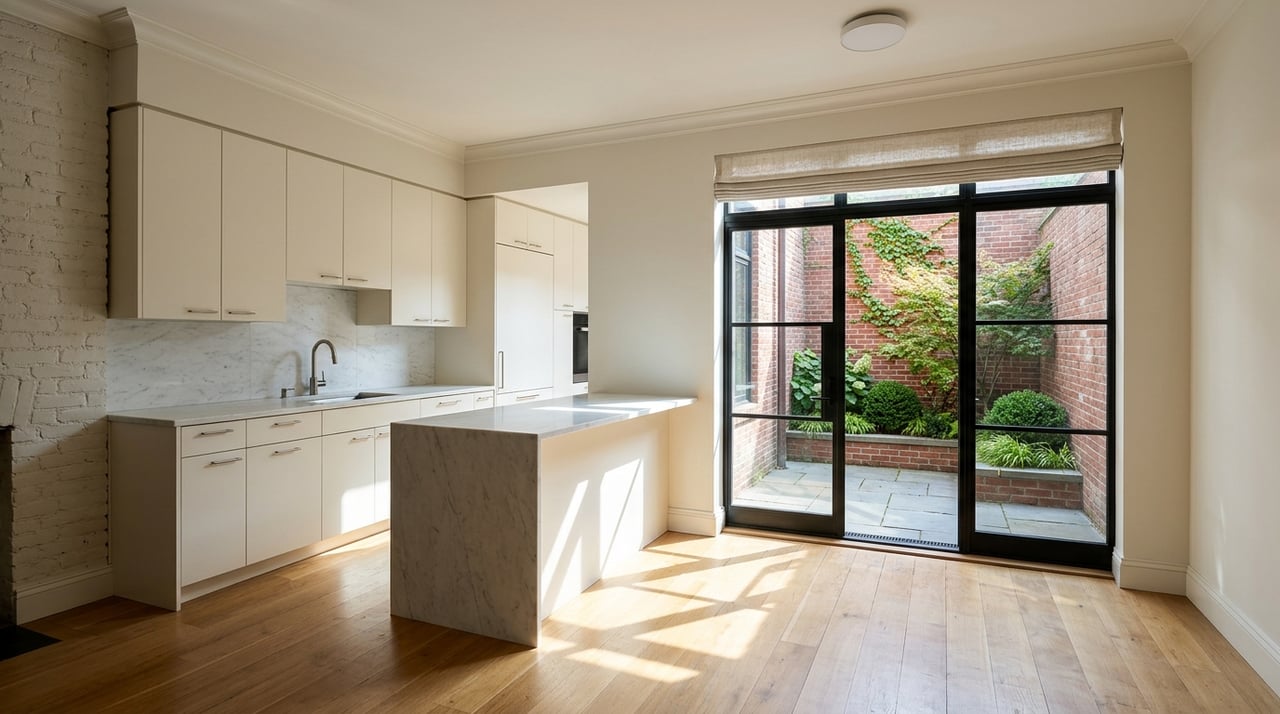
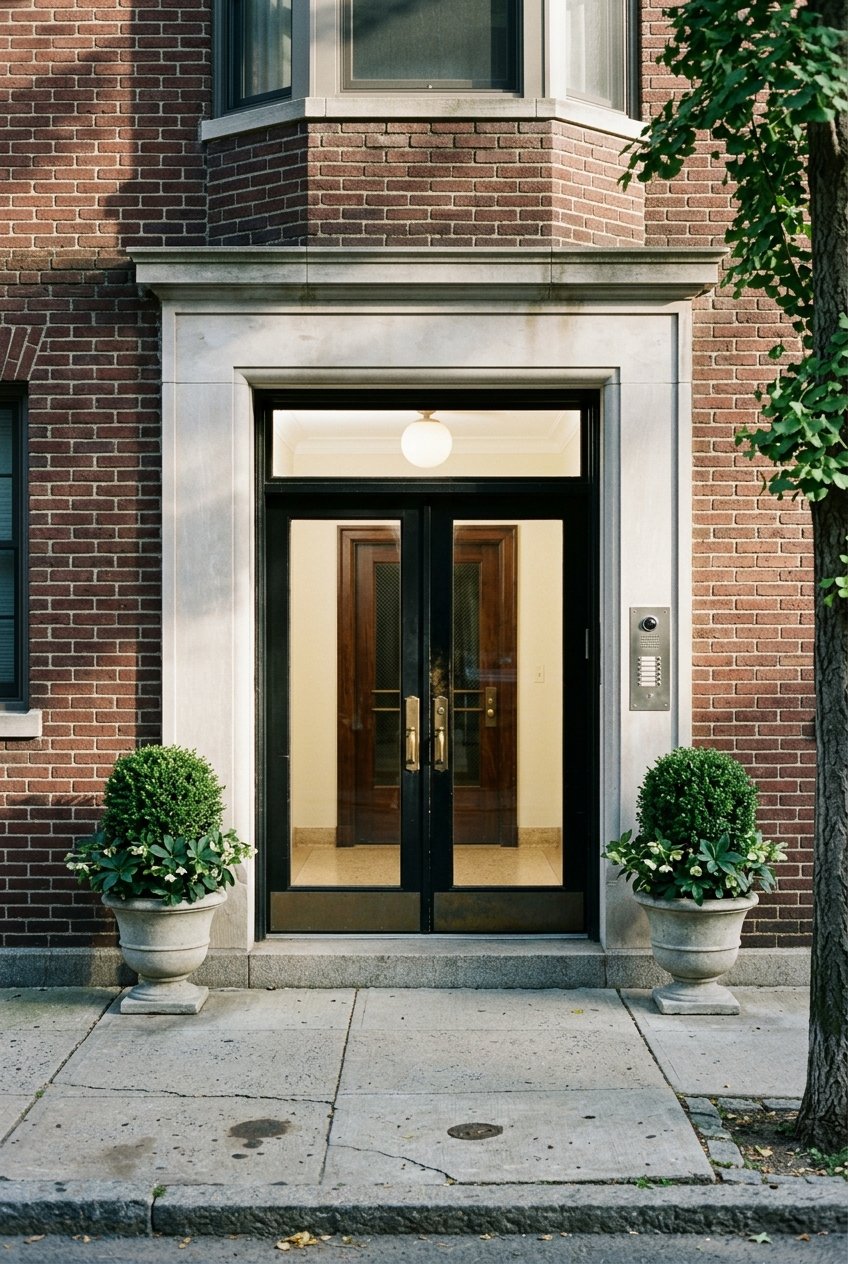
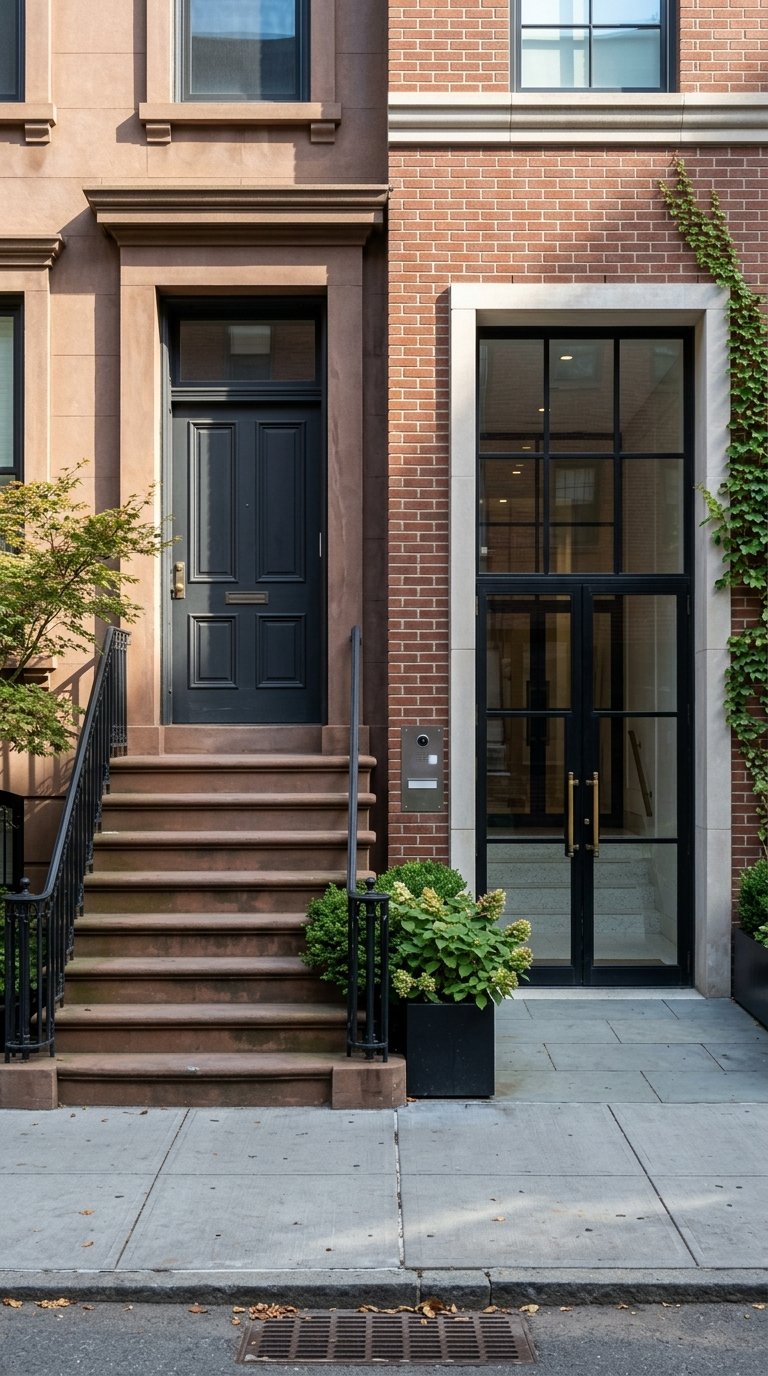
At the same time, newer residential and mixed-use buildings have added condo options to the area. That means your search may include everything from brownstones and carriage houses to modern condo developments, often within a few blocks of each other.
Location is a major part of the appeal. Boerum Hill offers access to the F and G at Bergen Street, plus Atlantic Avenue-Pacific Street and the Long Island Rail Road, which gives many buyers a strong commuting and connectivity story.
The market context matters too. As of April 2026, recent snapshots showed about 53 homes for sale, a median listing price of $1.925 million, and a median sold price of $1.75 million, with median sale figures around $1.9 million on StreetEasy. In that price range, the condo versus townhouse question is often less about aesthetics alone and more about control, upkeep, and carrying costs.
Condo ownership basics
A condo in New York City gives you ownership of an individual unit, along with a shared interest in the building’s common elements. You own your unit outright, and it can be separately taxed and separately mortgaged.
That structure can feel straightforward, but it comes with rules. Condo owners must pay common charges and follow the building’s declaration, bylaws, and other rules that govern use of the property.
The board of managers oversees the shared parts of the building. Even though you own your unit, your day-to-day flexibility may still be shaped by building policies on alterations, leasing, and other uses.
Townhouse ownership basics
A townhouse purchase usually means you own and control the whole property rather than one unit in a shared building. For many buyers, that creates a greater sense of privacy and independence.
That added control comes with more direct responsibility. In New York City, property owners are responsible for maintaining their property in safe condition, and that can include building systems, water and sewer lines, and the sidewalk adjacent to the property.
In Boerum Hill, townhouse ownership also intersects with historic district rules. Because parts of the neighborhood fall within a designated historic district, exterior work may require approval from the Landmarks Preservation Commission before changes begin.
Condo vs townhouse: the real trade-offs
The better fit usually comes down to how you want to live and what you want to manage yourself. In Boerum Hill, the trade-off is often simple: a condo can offer more standardized shared management, while a townhouse can offer more direct control.
Here is a practical side-by-side view.
| Factor | Condo | Townhouse |
|---|---|---|
| Ownership structure | You own one unit plus a shared interest in common elements. | You typically own the whole property. |
| Privacy and control | More shared systems and building rules. | More owner control and privacy. |
| Maintenance | Shared costs are handled through common charges and building management. | You handle repairs and upkeep directly. |
| Monthly costs | Often more predictable, though assessments can still happen. | Can be less predictable because large repairs fall directly on you. |
| Renovations | Alterations may be limited by condo rules. | Interior changes may be more flexible, but exterior work may require LPC approval. |
When a condo may fit better
A condo may be the better choice if you want a home with fewer direct property management tasks. If you prefer to share responsibility for building operations, reserves, and common-area upkeep, condo living can feel more manageable.
It may also suit buyers who value more predictable monthly budgeting. Your monthly carry will still include property taxes, insurance, mortgage costs, and common charges, but some building expenses are spread across residents rather than arriving as one large repair bill.
That said, predictable does not mean fixed forever. A condo’s budget, reserve fund, and potential assessments all affect the real cost of ownership, so it is important to review those carefully.
When a townhouse may fit better
A townhouse may be the stronger fit if you want more control over the property and how you use it. Many buyers are drawn to the space, privacy, and classic rowhouse experience that define much of Boerum Hill.
You may also prefer a townhouse if you are comfortable taking a hands-on role with upkeep and planning. Instead of paying into a shared common-charge system, you are directly responsible for repairs, services, and compliance issues tied to the property.
This path can feel rewarding, but it requires a clear-eyed budget. Roof work, facade repairs, sidewalk issues, or water and sewer obligations can make costs more irregular over time.
Monthly costs are not just the asking price
In Boerum Hill, your monthly carry deserves as much attention as the purchase price. This is especially true in a market where homes often trade at premium price points.
For condos, review what common charges include and whether the building has a reserve fund. The offering plan should disclose projected first-year common charges, reserve information, and whether reserves are expected to cover likely capital replacements in the first five years.
For townhouses, carrying costs often include property taxes, homeowner’s insurance, utilities, and repair costs that can arrive unevenly. Water and sewer bills are billed directly to property owners, and overdue charges can become a lien.
Tax treatment can also vary. Condo buyers should ask whether the building receives the cooperative/condominium property tax abatement, while eligible homeowners may want to review exemptions such as STAR, Enhanced STAR, SCHE, DHE, or veterans-related benefits.
Landmark status can change the equation
This is one of the most important Boerum Hill-specific issues for townhouse buyers. If a property is landmarked or located within the Boerum Hill Historic District, many exterior changes require Landmarks Preservation Commission approval.
That can affect your timeline, design plans, and renovation budget. Even work that does not require a Department of Buildings permit may still need LPC review if it changes the exterior within a historic district.
For that reason, it is smart to verify landmark status early. If you know you want to update windows, alter a facade, add to the structure, or make other exterior changes, those conversations should happen before you commit.
Questions to ask before you buy
The right questions can help you compare a condo and a townhouse on real-world terms, not just curb appeal. In a high-value market like Boerum Hill, small details in documents and property history can have a meaningful financial impact.
Condo questions
- What do the common charges include?
- How often have common charges increased?
- Is there a reserve fund?
- Are any special assessments or major capital projects expected?
- Does the building receive the co-op/condo tax abatement?
- What do the condo documents say about leasing, pets, business use, and alterations?
- Are there building-wide repairs, violations, or insurance issues that may affect costs?
Townhouse questions
- Is the property in the Boerum Hill Historic District or otherwise landmarked?
- Which exterior changes require LPC approval?
- When were the roof, facade, windows, mechanicals, and sidewalk last updated?
- Are there open DOB, HPD, DEP, or LPC issues?
- Who is responsible for current water and sewer line conditions?
- Are there tax exemptions, abatements, liens, or other charges on the latest tax bill?
Questions for your lender and attorney
- If you are financing, what mortgage recording tax, lender fees, and escrow requirements should you expect?
- Will the purchase trigger mansion tax, and at what threshold?
- For a condo, will the lender need the declaration, bylaws, budget, reserve information, or tax-abatement paperwork?
- For a townhouse, are there title issues, unpaid water and sewer charges, or sidewalk liens to clear before closing?
- Will landmark status affect the timing or scope of planned post-closing work?
How to decide which fits your life
If you are choosing between a Boerum Hill condo and townhouse, start with your tolerance for responsibility. Do you want more of the property burden handled through a shared building structure, or do you want direct control over the entire asset?
Then think about budget stability. A condo may offer a more structured monthly pattern, while a townhouse may expose you to larger but less predictable repair costs.
Finally, think about your plans for the property. If customization, privacy, and full-building control are high priorities, a townhouse may feel worth the added work. If convenience, shared management, and easier day-to-day ownership matter more, a condo may be the cleaner fit.
In Boerum Hill, both can be excellent choices. The key is making sure the ownership model matches how you want to live, spend, and plan ahead.
If you are weighing a condo against a townhouse in Boerum Hill, the MINSKY | ABRISHAMI Team can help you evaluate the trade-offs with clear market guidance and a white-glove approach tailored to Brooklyn buyers and sellers.
FAQs
What is the main difference between a Boerum Hill condo and townhouse?
- A condo means owning an individual unit in a shared building with common charges and building rules, while a townhouse usually means owning the full property and taking on more direct maintenance responsibility.
Are townhouse owners in Boerum Hill responsible for sidewalks and water lines?
- Yes. New York City places responsibility on property owners for maintaining the property in safe condition, and that can include adjacent sidewalks and water and sewer service lines.
Do Boerum Hill condos have more predictable monthly costs?
- Often yes, because many shared expenses are collected through common charges, though costs can still change through increases or special assessments.
Do landmark rules affect Boerum Hill townhouse renovations?
- Yes. If the property is landmarked or in the Boerum Hill Historic District, many exterior changes require approval from the Landmarks Preservation Commission.
What should condo buyers review before buying in Boerum Hill?
- Buyers should review the offering plan, common charges, reserve fund information, alteration and leasing rules, tax treatment, and any expected assessments or building-wide repairs.
What should townhouse buyers review before buying in Boerum Hill?
- Buyers should review landmark status, permit and violation history, the condition of major systems and exterior elements, the latest tax bill, and any water, sewer, or sidewalk-related obligations.