Waterfront sparkle or stoop-side charm? If you are weighing Greenpoint’s towers along the East River against its interior brownstones and walk-ups, you are not alone. Both sides of the neighborhood hold value for different reasons, and the gaps come down to views, amenities, risk, and resale strategy. In this guide, you will see how pricing really works, what features move buyers, and how to decide which option fits your goals. Let’s dive in.
Greenpoint pricing right now
As of January 2026, Greenpoint’s market sits at high north-Brooklyn levels. Realtor.com’s neighborhood snapshot shows a median listing price around $2.02 million and a median price near $1,708 per square foot. These are useful anchors, but your exact number depends on product type, floor, view, and condition.
Quarter-level reports that group Williamsburg and Greenpoint together show medians that often land in the low-to-mid $1.3 million to $1.6 million range across 2024 and 2025, with luxury closings nudging some quarters higher. You can review that broader context in Brownstoner’s market summary. For your specific unit, plan on a custom CMA that isolates building type and line.
What “waterfront” and “interior” mean here
- Waterfront homes: Primarily newer mid- and high-rise condos along Greenpoint Landing and the East River, with full-service amenities and direct access to new esplanades and parks. The city’s update on Greenpoint Landing highlights the area’s multi-phase scale and added open space, which set the tone for pricing and supply growth. See the scope in NYC HPD’s announcement.
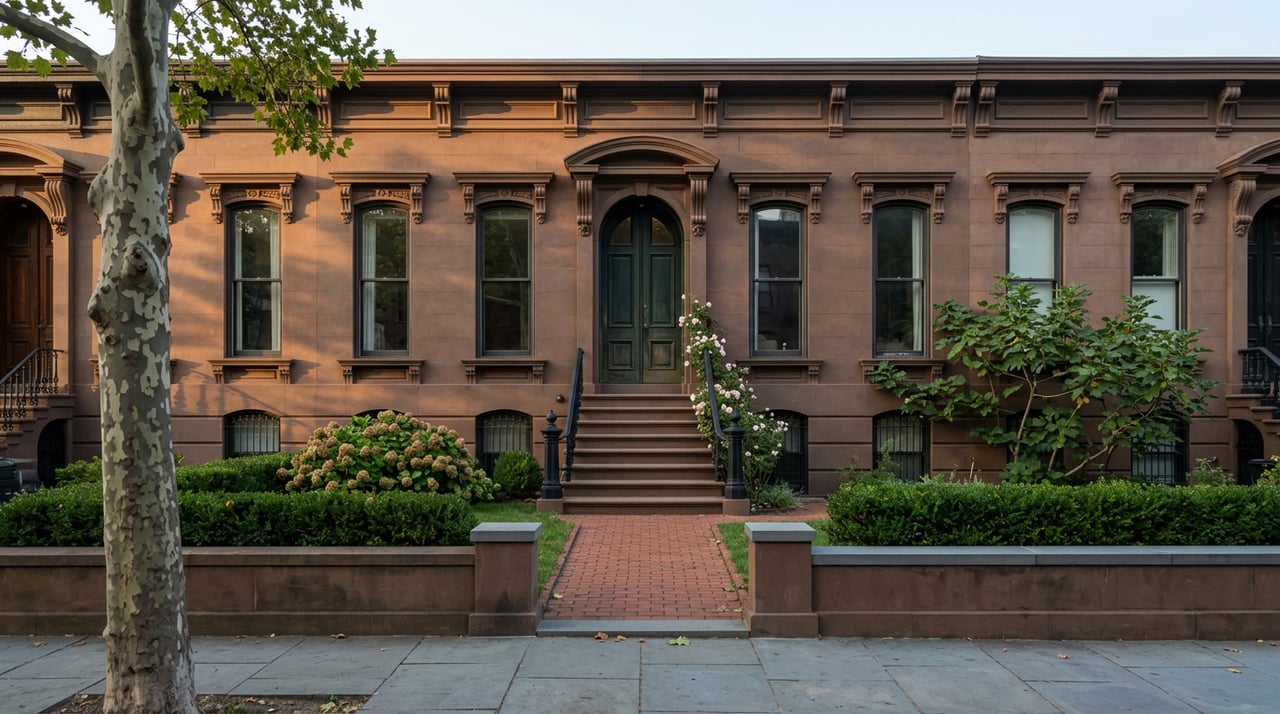
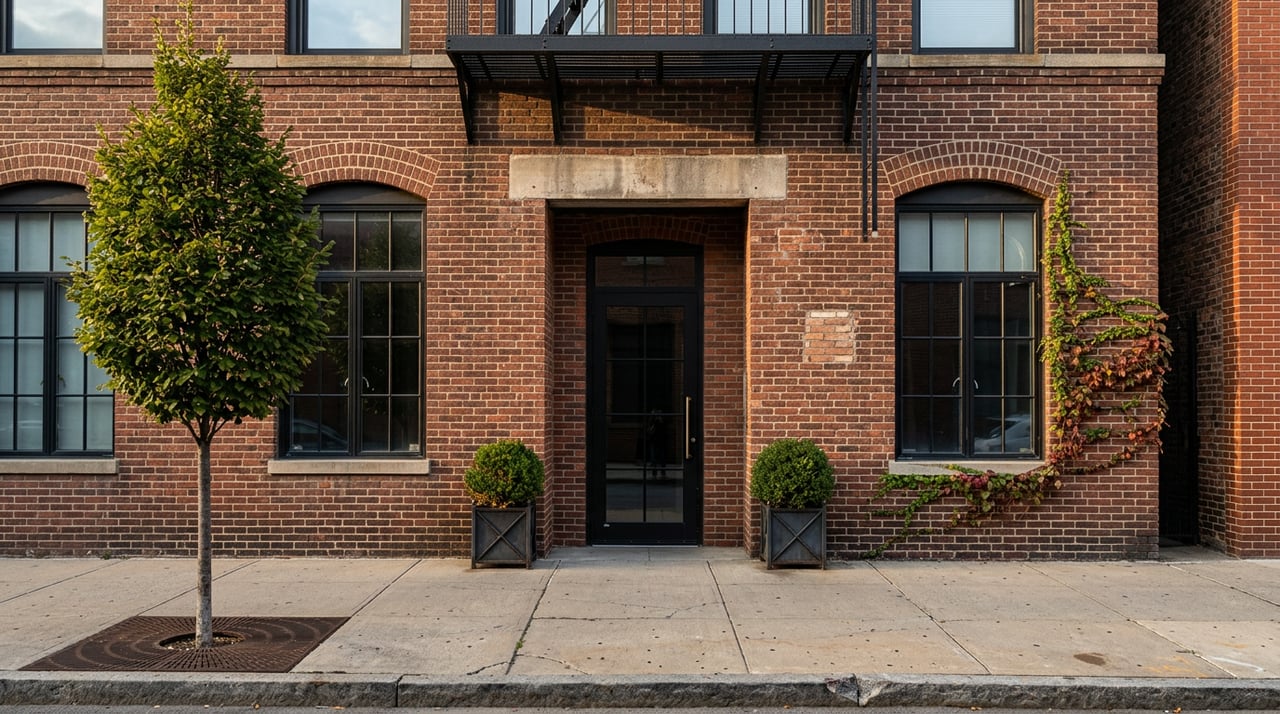
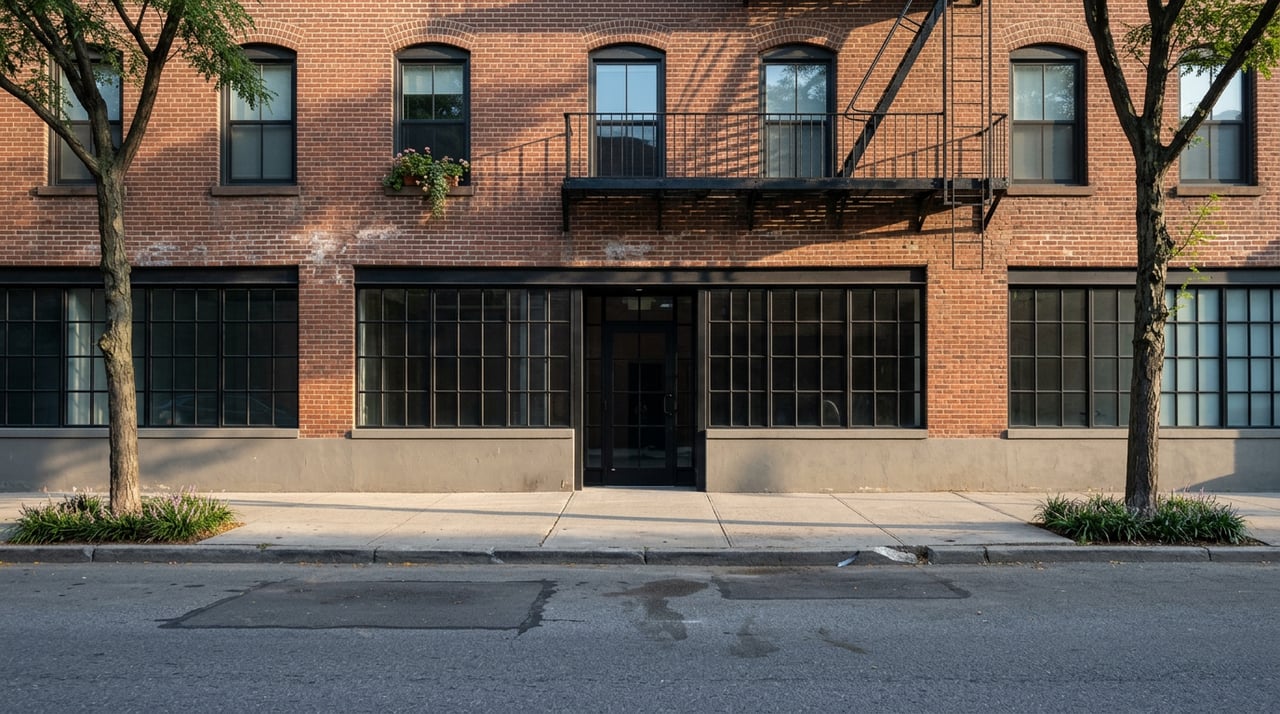
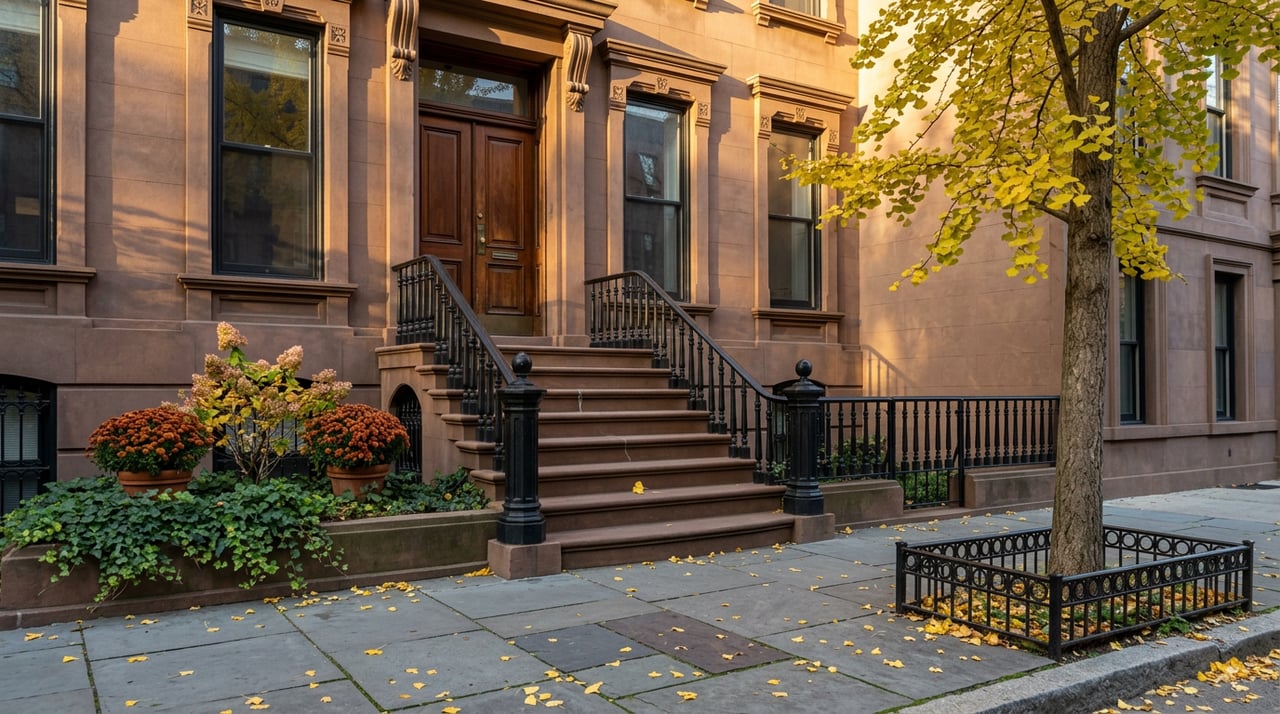
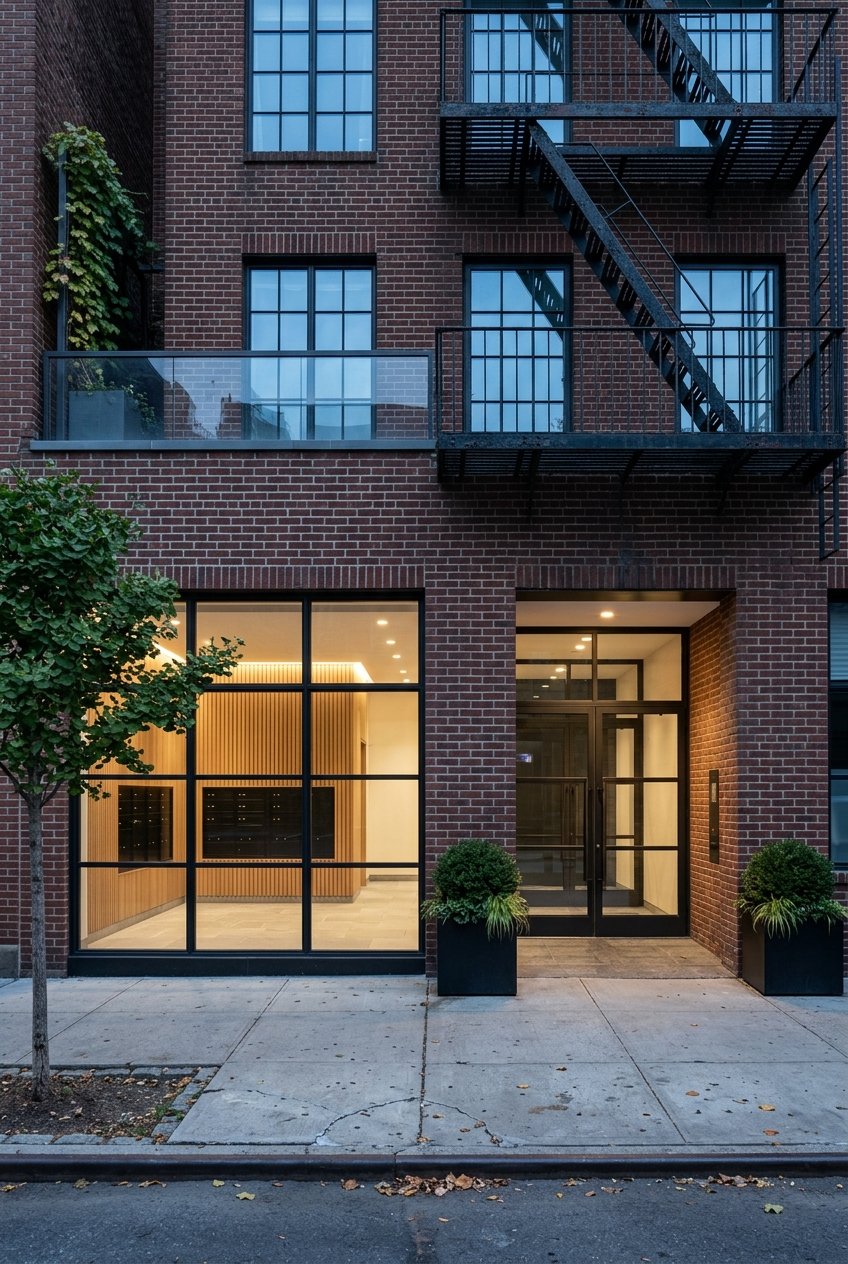
- Interior homes: A mix of low-rise walk-ups, two- to three-family townhouses, and small condo conversions on and around Manhattan Avenue, Franklin Street, and the side streets. Many blocks carry historic character, and some are within the Greenpoint Historic District. Private yards, stoops, and smaller buildings are common.
Price signals buyers ask about
Recent new-development launches on the waterfront have posted materially higher price per square foot than most interior resales. Reporting on Greenpoint’s waterfront towers shows new-development asking and contract pricing that can reach about $1,700 to $2,100+ per square foot on select floors and lines. Use that as an upper-range signal rather than a fixed premium. For context on the product and amenity set that helps drive those numbers, see 6sqft’s Greenpoint overview.
Interior resale condos, co-ops, and townhouses typically land lower on a price-per-foot basis, often in the roughly $1,100 to $1,500 per foot range depending on building type, outdoor space, and condition. Townhouses can command strong totals due to size and land value, even if the per-foot number looks lower than a tower’s.
What drives value in each location
Views and orientation
Open river and skyline views carry real pricing power. On the waterfront, higher floors with wide exposures sit at the top of the market. The permanence of a view matters, so check nearby development sites and pending permits if you are buying for views.
Amenities and services
Waterfront towers tend to package doorman or concierge service, gyms, lounges, co-working, and landscaped terraces. Those conveniences lift pricing and common charges. Interior buildings usually trade amenities for character and privacy. Many buyers value a private yard or rooftop more than a shared pool, so match the amenity mix to your lifestyle.
Street character and privacy
Interior blocks bring smaller-scale buildings, independent retail, and a traditional Brooklyn streetscape. If you want quiet side streets and direct access to your own outdoor space, interior homes deliver that. If you want a one-stop building with everything from a staffed lobby to a fitness center, the waterfront may fit better.
Parks and open space
Greenpoint’s waterfront is lined with parks and a growing esplanade network. Transmitter Park is a local favorite, and the Greenpoint Landing plan expanded access along the river. Interior addresses benefit from proximity to McCarren Park and Bushwick Inlet Park, which shape daily routines for many residents.
Transit and commute geometry
Greenpoint’s primary subway is the G line, which connects Brooklyn and Queens but does not enter Manhattan. If you commute to Manhattan, you will likely transfer to the L or another line. The NYC Ferry’s East River route at Greenpoint adds a scenic alternative when operating on your schedule. For an overview of the G’s service pattern, see the G train service page.
Environmental risk and resilience
Two topics matter for long-term value: coastal flood risk on low-lying waterfront parcels and legacy contamination around Newtown Creek. Recent storm-surge mapping and reporting show rising coastal risk citywide, which shapes insurance pricing and mitigation. Review the citywide context in this Gothamist overview of storm-surge exposure.
Greenpoint also intersects with federal environmental work related to the Newtown Creek Superfund and historic oil plumes. You can review background in the EPA’s public document archive. Many new waterfront buildings market resilience features, such as elevated mechanicals and floodproofing. Ask for documentation and confirm actual flood-zone status.
Daily costs: fees, maintenance, and insurance
- Waterfront towers: Expect higher common charges tied to amenities and staffing. If the site sits in a Special Flood Hazard Area, flood insurance may be required by your lender. The National Flood Insurance Program and private carriers both offer policies. Learn the basics in this FEMA overview of flood insurance.
- Interior properties: Flood risk often drops inland, which can help with insurance costs. Older buildings can carry higher maintenance needs, such as roofs, windows, and mechanicals. Townhouse owners budget for systems upkeep in exchange for more privacy and outdoor space.
Who each option fits
- Choose waterfront if you value turn-key living, views, staffed buildings, and direct park and ferry access. You are comfortable with higher common charges and possibly higher insurance if required.
- Choose interior if you prioritize space, private outdoor areas, historic detail, and smaller buildings. You accept some maintenance tradeoffs in exchange for a quieter residential feel and often a lower price per foot.
Resale strategy: highlight what buyers pay for
If you own a waterfront condo
- Lead with your view lines, balcony or terrace, and the building’s amenity suite. Show proximity to the esplanade and the ferry landing.
- Document resilience features and provide flood-zone and insurance information up front. Transparency helps shorten time on market.
- Use recent new-development and tower comps. Adjust for floor, exposure, and any developer incentives in your building or a competing one.
If you own an interior townhouse or condo
- Spotlight private outdoor space, preserved architectural details, and proximity to Manhattan Avenue or Franklin Street retail.
- For townhouses, show serviceable mechanicals and recent upgrades. Include clear floor plans and any registration details that apply.
- Use crisp, local comps by block and building type. Interior buyers tend to be more price sensitive, so presentation and pricing discipline matter.
How to compare two specific homes
There is no single percentage uplift that fits every property in Greenpoint. Product type, floor, and view quality are the biggest drivers. Pipeline matters too. New towers can change sightlines, so check for active permits. For example, recent permit filings for additional Greenpoint towers illustrate how view corridors can shift over time. You can see examples of filings in New York YIMBY’s permit reporting.
A side-by-side CMA that controls for building type and line remains your best tool. Pair that with a flood-zone lookup, an insurance quote, and a maintenance budget forecast. That bundle clarifies your true monthly cost and helps you avoid surprises.
The bottom line
Waterfront and interior homes in Greenpoint both create value. Waterfront towers tend to command higher price per foot for views, amenities, and park access. Interior homes often deliver more space and outdoor areas at a lower price per foot, with character that many buyers seek. Your best choice comes down to how you live, what you value, and how you want your monthly costs to look.
If you would like a pricing read tailored to your home or a search plan that balances views, space, commute, and risk, our team is here to help. Start a conversation with the MINSKY | ABRISHAMI Team to request a free valuation or to map your next move.
FAQs
How much more do Greenpoint waterfront condos cost than interior homes?
- Recent reporting shows new-development waterfront towers reaching roughly $1,700 to $2,100+ per square foot on select units, while many interior resales trade closer to $1,100 to $1,500 per foot depending on type and condition. Use a CMA to refine for your building and line.
What should I budget monthly for a waterfront condo vs an interior townhouse?
- Waterfront condos often carry higher common charges and, in some cases, flood insurance. Townhouses trade those fees for maintenance and systems upkeep. Compare common charges, insurance, and a realistic annual maintenance reserve.
Does flood risk make waterfront a bad investment in Greenpoint?
- Not necessarily. It changes the cost model. Confirm the specific flood zone, review the building’s resilience measures, and price insurance with an advisor. Many buyers accept higher carrying costs in exchange for views and amenities.
Could a new building block my view later?
- It is possible. Greenpoint’s waterfront continues to evolve, so check active permits and long-term plans nearby. A local CMA and permit review help you price that risk.
Which location is better for commute options?
- Interior and waterfront addresses both rely on the G line for crosstown service, with transfers for most Manhattan trips. The ferry adds a scenic alternative on the waterfront. Factor in your daily route and schedule when choosing a location.