Picture yourself stepping up a sunlit stoop to a tall front door, past carved lintels and a stately cornice. If that image draws you in, you are likely thinking about a Bed‑Stuy brownstone. These homes offer classic Brooklyn character, but buying one is not the same as buying a new condo. You balance architecture, historic rules, and older building systems that deserve careful due diligence. This guide walks you through what defines Bed‑Stuy brownstones, how to assess condition, the permits and approvals you may need, and smart ways to plan financing and renovations. Let’s dive in.
What defines a Bed‑Stuy brownstone
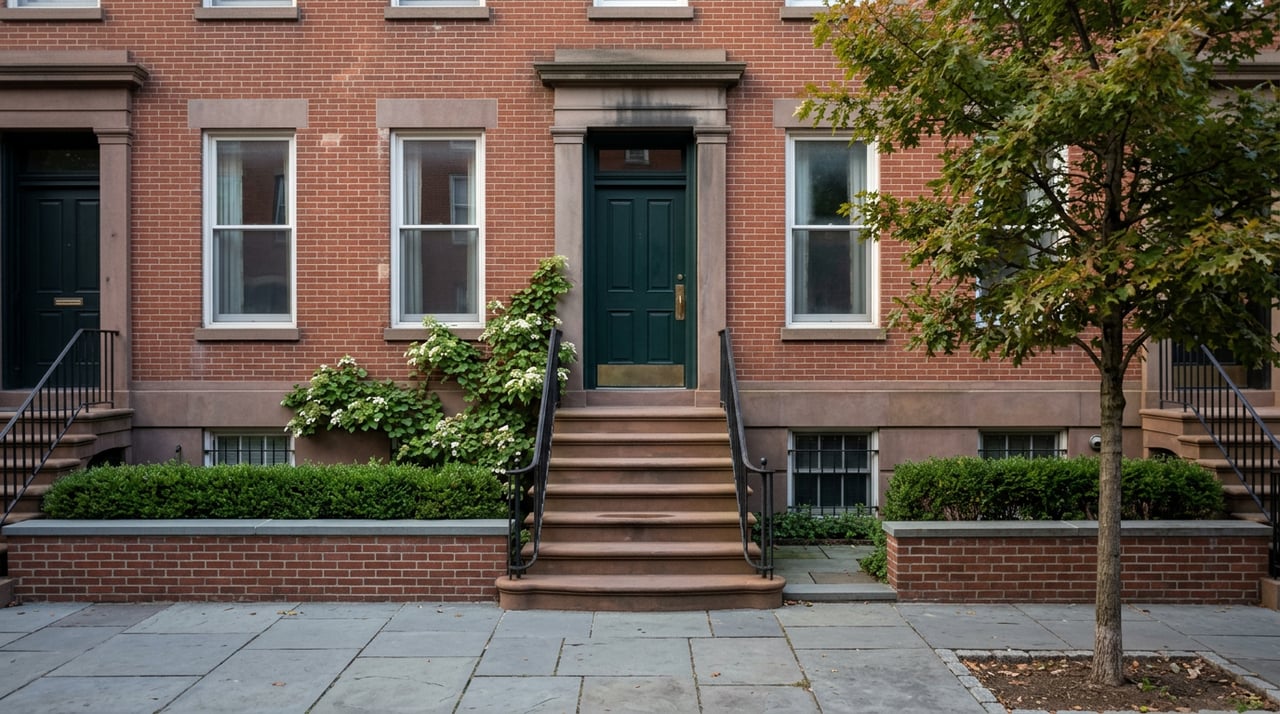
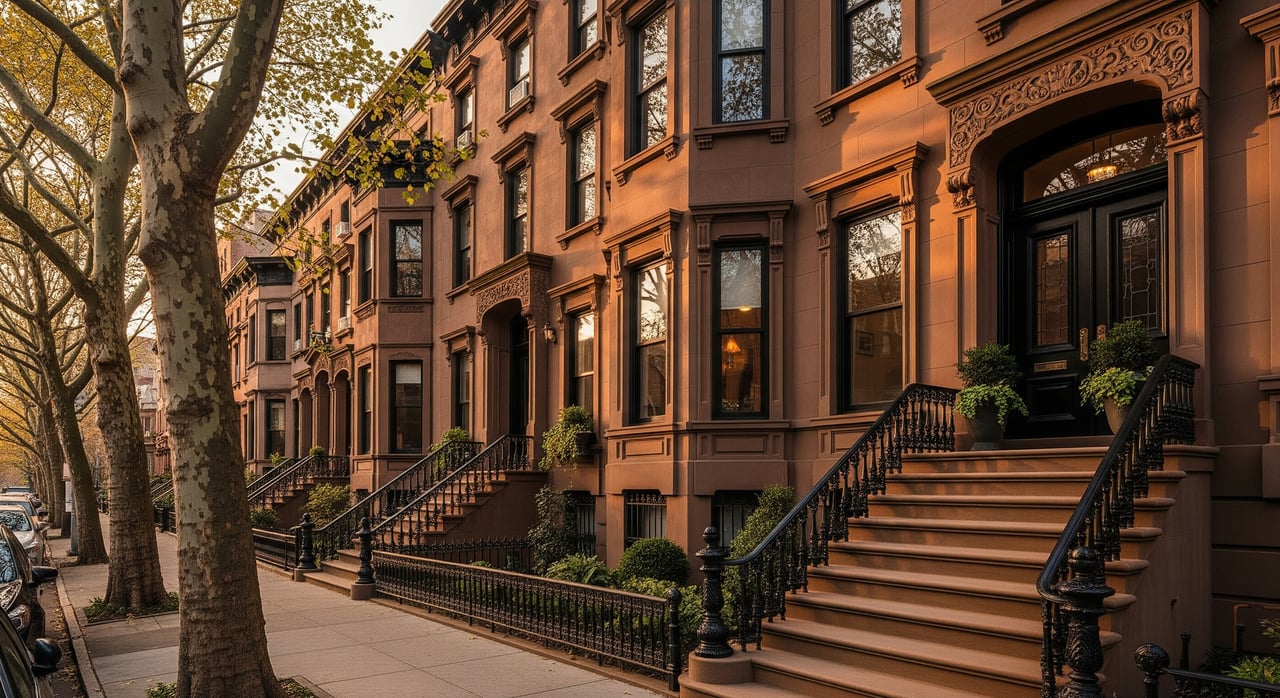
Exterior hallmarks
- A raised stoop leading to a prominent parlor‑level entrance.
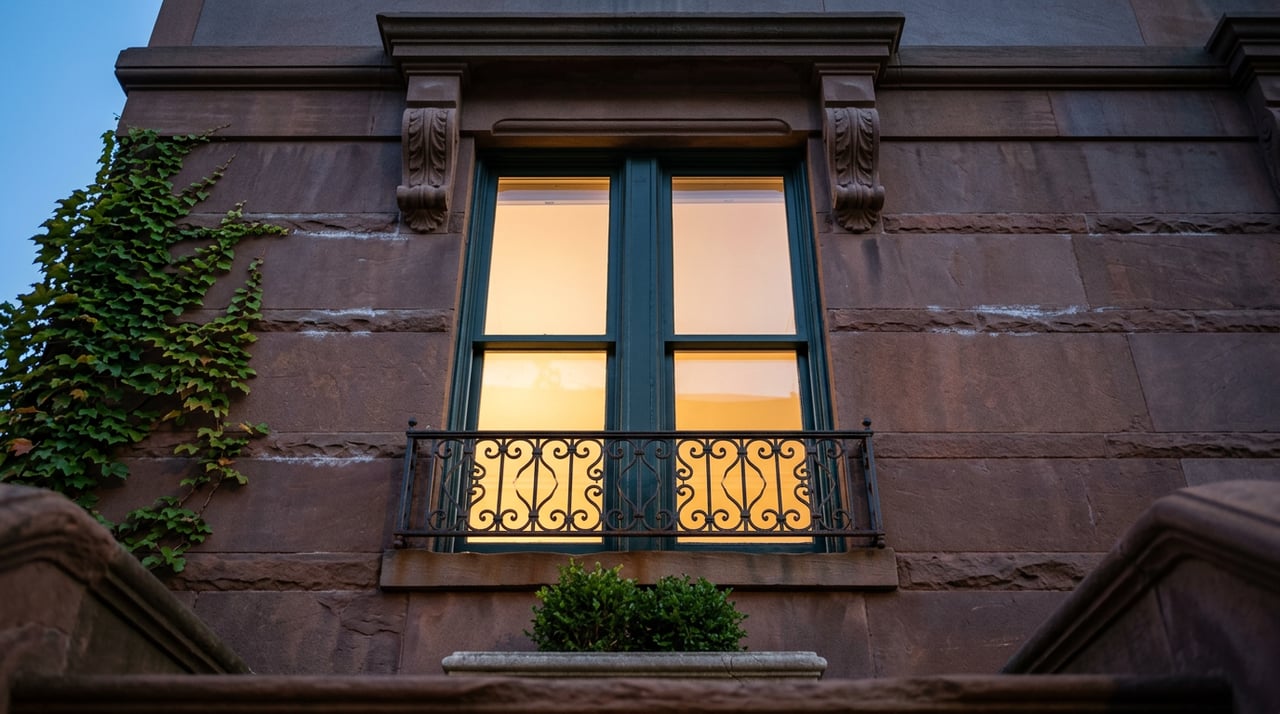
- Brown sandstone cladding or a facade designed to imitate brownstone, with decorative lintels, cornices, and window surrounds.
- Tall, narrow windows that pair with high ceilings on parlor and upper floors.
- Party walls shared with neighboring rowhouses and a parapet at the roofline.
Interior layouts and configurations
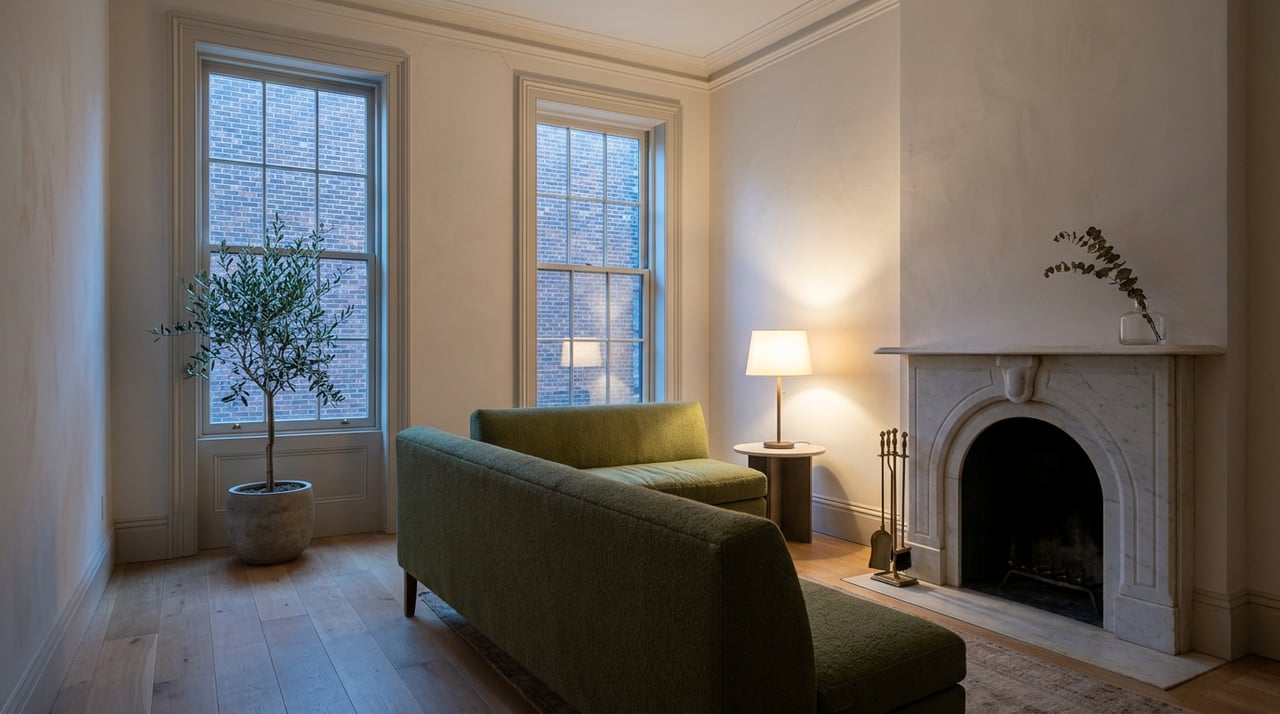
- A typical layout places formal rooms on the parlor level, kitchen or secondary living on the garden or English basement level, and bedrooms above.
- Buildings are often 3 to 5 stories with generous ceiling heights.
- You will see a range of legal configurations: single‑family homes, two‑ or three‑family houses, and multi‑unit properties. Some buildings have had legal or illegal apartment conversions, so you should verify the certificate of occupancy.
Building systems and materials
- Loadbearing masonry walls with timber joists and wood floor framing are common.
- Many homes retain original windows, plaster, moldings, and mantels alongside modernized kitchens and baths.
- Older systems may include steam or hot‑water boilers and radiators, early electrical wiring in unrenovated areas, older gas piping, and galvanized plumbing.
Where preservation rules apply
Historic districts and LPC review
Several Bed‑Stuy blocks fall within New York City historic districts. If a property sits in a designated district, the NYC Landmarks Preservation Commission (LPC) reviews changes visible from the street. Major alterations usually need a Certificate of Appropriateness, while in‑kind or minor work can qualify for a Certificate of No Effect. Interior changes are typically not regulated unless a rare interior designation applies.
DOB permits, zoning, and occupancy
Most exterior and interior alterations require Department of Buildings (DOB) permits. Changes that affect egress, floor area, or occupancy need architectural plans and DOB approval. Always confirm the building’s zoning and use and review the certificate of occupancy to verify the legal number of dwelling units.
Tenants and rent regulations
If you are buying a multi‑unit property with tenants, some units may be rent‑stabilized or rent‑controlled. You should review tenant histories, rent rolls, and registrations. NYC rent laws are complex and can affect income, renovation timelines, and your assumptions for future use.
Violations and complaints
Check for open DOB violations and Housing Preservation and Development (HPD) complaints. Significant items can delay closing and require remediation by the seller or as a post‑closing plan.
Condition and inspection priorities
Facade and stonework
Brownstone is strong but porous. Over time it can spall, erode, or delaminate, especially if it has seen inappropriate past repairs like cement parging or sandblasting. Stoop treads, ironwork, and wood trim can deteriorate, and cornices often need careful restoration. Work on the facade should be planned with experienced masons.
Structure and roof
Look for signs of settlement, bowed or bulging party walls, and sagging floor joists. Roofs and flashings have finite lifespans, and parapets must be stable and properly flashed. A comprehensive structural and roof assessment is key.
Water and environmental concerns
Common water entry points include mis‑flashed windows, masonry cracks, and roof or parapet issues. Basements and garden levels are prone to dampness and sewer backups, so evaluate grading, drainage, and any backflow or sump systems. Because most brownstones predate 1978, plan for lead paint testing and, if needed, asbestos testing for older insulation, pipe wrap, or tiles before any work.
Systems and utilities
Older gas piping, dated electrical service, and galvanized plumbing are typical in unrenovated buildings. Boiler age, radiator condition, and chimney lining should be reviewed. Electrical panels and service capacity often need upgrading for modern loads.
Your inspection game plan
- Hire a licensed home inspector experienced with historic masonry buildings.
- Add a facade or building‑envelope specialist for stonework and cornices.
- Include a sewer scope and tank sweep if you suspect an old oil tank.
- Arrange lead and asbestos testing for pre‑1978 homes.
- For multi‑unit properties, confirm the certificate of occupancy and review open DOB items.
Financing, taxes, and insurance basics
How lenders view brownstones
Lenders typically classify brownstones as 1 to 3 family homes when owner‑occupied or as investment properties when they have multiple units. This classification affects your loan products, interest rates, and down‑payment requirements. Properties with unpermitted work or open violations can face financing hurdles until issues are resolved.
Renovation loans to consider
If you are planning significant work, explore renovation financing options such as FHA 203(k), Fannie Mae HomeStyle, or a construction loan. Suitability depends on the project scope and lender criteria, so align your financing with a realistic renovation plan.
Property taxes and abatements
NYC taxes properties by class. One‑ to three‑family homes are taxed differently than buildings with four or more units. Review recent tax bills and the assessment history, and ask about any abatements or incentives that could change after a sale.
Insurance and flood risk
Insurance carriers will look closely at roof condition, wiring, heating systems, and any oil tanks. Premiums for older brownstones can be higher. Bed‑Stuy is largely inland with lower flood risk than waterfront areas, but you should still check FEMA maps and any lender requirements. Clarify sidewalk and stoop maintenance responsibilities for liability coverage.
Energy incentives
New York State and New York City offer evolving incentives for energy efficiency and electrification. Heat pump rebates, weatherization programs, and insulation support may be available. Availability and eligibility change frequently, so check current program details during planning.
Valuation drivers in Bed‑Stuy
What pushes pricing
Value is shaped by the block and streetscape, presence of a historic district designation, proximity to transit, corner versus mid‑block position, outdoor space, and the unit mix. Condition and the quality of modernization also matter. A clear maintenance and renovation history tends to support stronger pricing.
Single‑family vs multi‑unit
Well‑executed single‑family gut renovations often command premiums on sought‑after blocks. Multi‑unit buildings are typically valued using rental income and comparable sales. If a property includes illegal conversions, higher apparent income can mask legal risk and financing challenges.
Comps and time on market
Use neighborhood‑level comps for brownstones and 1 to 3 family sales to anchor value. Property records from city sources and reputable local reports can help you track trends and pricing velocity.
Renovation planning and maintenance
Common scopes
- Exterior restoration: brownstone repair, stoop reconstruction, cornice and window work, and waterproofing.
- Interior modernization: kitchens, baths, electrical service upgrades, plumbing replacement, and HVAC updates.
- Additions and roof decks: popular but subject to zoning and LPC rules, plus DOB approvals and potential neighbor coordination.
Cost, timing, and contingencies
Historic facade and cornice work is specialized and can be costly. Systems upgrades in older buildings often reveal hidden conditions once walls are open. Build in contingencies, plan for LPC review where required, and align your scope with permitting timelines.
Contractor selection
Hire licensed, insured contractors with historic masonry and NYC permitting experience. For exterior work in a historic district, expect LPC review to precede DOB permitting. The right team can help you sequence approvals and prevent avoidable delays.
Energy upgrades
Insulating roofs and party walls, upgrading to high‑efficiency boilers or heat pumps, and improving windows can reduce operating costs. In masonry buildings, energy upgrades often require specialized methods, so plan details early with your contractor and architect.
Buyer due diligence checklist
Documents to request
- Certificate of occupancy and any prior COs or plans.
- DOB permits, open violations, and proof of permit closures.
- Recent property tax bills and assessment history.
- Survey or plot plan if available, plus any basement or yard reports.
- Tenant leases, rent roll, and registration records for multi‑unit properties.
- Records of repairs, renovations, warranties, and contractor invoices.
- Insurance loss history and any claims.
Questions to ask the seller or agent
- Is the property in a historic district, and has LPC approved any exterior work?
- What upgrades have been done to heating, electrical, plumbing, and the roof, and were permits pulled?
- Any testing or documentation for lead, asbestos, or buried oil tanks?
- Are there known water infiltration or mold issues and remediation records?
- What is the pest or termite history and treatment documentation?
- Are there tenant issues or rent‑stabilized units you should plan around?
Contract protections
- Include inspection contingencies for structure and facade.
- Add environmental testing contingencies as needed.
- Allow time to resolve open violations or legalize work tied to occupancy or permits.
Smart search strategies in Bed‑Stuy
- Define your target configuration early. A legal two‑ or three‑family can offer flexibility if you plan to live in one unit and rent the others.
- If you prefer to renovate, budget for specialized exterior work and systems upgrades, and align the timeline with LPC and DOB milestones.
- Confirm legal status up front to avoid surprises. Unit count, CO, and any illegal alterations will shape financing and close timing.
- Weigh the value of historic district protections. They can preserve the streetscape and long‑term value while adding process for exterior changes.
- Build your advisory bench early. An experienced inspector, real‑estate attorney, and historic‑building contractor can save time and reduce risk.
Ready to pursue a Bed‑Stuy brownstone with confidence? For a measured, end‑to‑end approach to search, due diligence, negotiation, and closing, connect with the MINSKY | ABRISHAMI Team. We pair deep Brooklyn expertise with attentive service to help you secure the right home.
FAQs
What makes a Bed‑Stuy brownstone different from a brick rowhouse?
- In NYC, “brownstone” often refers to rowhouses with brown sandstone facades or homes styled to mimic that look. Many Bed‑Stuy rowhouses use brownstone cladding or detailing that defines the classic stoop‑and‑parlor style.
What happens if my prospective home is in a historic district?
- The Landmarks Preservation Commission reviews changes visible from the street. Major exterior work needs approvals, while interiors are usually not regulated unless specifically designated.
Which inspections are essential for a Bed‑Stuy brownstone purchase?
- Prioritize a full home inspection, facade and cornice assessment, sewer scope, roof evaluation, and testing for lead and asbestos in pre‑1978 homes. Add a tank sweep if oil heat is suspected.
Can I add a roof deck or rear extension to a brownstone?
- It can be possible, but you must meet zoning and DOB requirements and, in a historic district, obtain LPC approvals. Plan early and expect a formal review process.
How do tenants and rent regulation affect the purchase of a multi‑unit brownstone?
- Tenant status and any rent‑stabilized units influence income, timelines, and renovation options. Review rent rolls, registrations, and tenant histories with your attorney.
What financing options work if the brownstone needs a major renovation?
- Consider renovation‑friendly products like FHA 203(k), Fannie Mae HomeStyle, or a construction loan. The best choice depends on scope, timing, and lender criteria.
Do I need flood insurance to buy in Bed‑Stuy?
- Bed‑Stuy is largely inland with lower flood risk than waterfront areas, but you should still check FEMA maps and follow your lender’s insurance requirements.