You found the right Brooklyn apartment, then the listing mentioned a “board package.” If you are buying in a co-op or a condo, the building will review your paperwork before you can close. With the right preparation, this step is straightforward and predictable. In this guide, you will learn what a board package includes, typical timelines, what boards look for, and how to present a strong file. Let’s dive in.
Co-op vs. condo approval in Brooklyn
Co-ops and condos approve buyers in different ways. In a co-op, you buy shares in a corporation and receive a proprietary lease, not a deed. In a condo, you receive a deed to your unit and own a portion of the common areas. You can read more about the legal difference in the New York State Attorney General’s overview of co-ops and condos, which explains what each board is empowered to review and approve. Attorney General’s guidance
What does that mean for your purchase? Co-op boards usually have broader discretion to approve purchasers and often conduct interviews. Condo boards and managers may still require an application and documentation, but they rarely block a sale. Most condos rely on a right of first refusal that is seldom exercised. For a practical explainer on the approval process, see this overview of board approvals.
What a complete board package includes
Every building uses its own application, so always follow the instructions in the seller’s resale packet. The lists below reflect what many Brooklyn co-ops and condos request.
Co-op checklist
Most co-op packages include the following:
- Completed purchase application and a fully executed contract of sale. For a sample checklist of common items, review PropertyShark’s co-op board package guide. Co-op package checklist
- A signed financial statement showing assets, liabilities, income, and monthly expenses. Many buildings use the REBNY form. REBNY financial statement
- Federal tax returns, W-2s/1099s/K-1s and schedules, typically for the past 2 years.
- Recent pay stubs and an employer verification letter if you are salaried.
- Bank and brokerage statements proving your down payment and post-closing liquid reserves. If you are using gift funds, include a signed gift letter and donor statements.
- A mortgage pre-approval or commitment letter if you are financing.
- Personal and professional reference letters or contacts.
- Photo ID, signed authorizations for credit and background checks, and a concise one-page buyer bio.
- If purchasing through a trust or LLC, entity documents and any required guarantor details per the building’s rules.
- Administrative items such as application and processing fees, and the manager’s cover sheets. Boards expect a clean, organized submission.
Condo resale submissions
Condo applications are usually lighter than co-ops, but you should still expect an application packet. Typical items include:
- A signed contract and, if financing, a lender commitment letter.
- A completed condo application and basic financial information.
- A resale packet, status letter, or estoppel issued by management or the association that includes bylaws or the declaration, insurance information, recent audited financials, the current budget, and recent meeting minutes. Management often charges a fee and may offer a rush option. What to expect in a resale packet
Sponsor or new-development sales
Sponsor sales follow the developer’s offering plan filed with the Attorney General. Review the plan and any required disclosures so you understand taxes, closing costs, and building rules before you sign. About offering plans and sponsor disclosures
Timelines from offer to closing
The general sequence looks like this: offer accepted, attorney review and mortgage application, seller provides the resale packet and application instructions, you compile the board package, the managing agent screens it, the board reviews and interviews, the board votes, and then you close. Exact sequencing can vary by building, but this is the usual path. For a practical walk-through of this flow, see this closing-timeline explainer.
Here are common timing ranges for Brooklyn:
- Preparing a complete package: about 1 to 3 weeks, depending on how fast you can gather documents.
- Board review and interview scheduling: often 2 to 6 weeks. Many boards meet monthly, so holidays and scheduling impact timing.
- Total co-op approval window from submission: commonly 4 to 8 weeks, though smaller buildings can be faster and complex buildings can take longer. Condos are often quicker once the application and status letter are complete, frequently in 1 to 3 weeks.
- Decision after interview: many boards notify you within a few days to a week.
- Closing after approval: typically 1 to 3 weeks, subject to lender, title, and attorney coordination.
Common causes of delay include missing or inconsistent financial documents, unexplained transfers in bank statements, management company backlogs, board meeting calendars, and last-minute lender conditions. Tight organization and reconciling your numbers in advance help avoid slowdowns.
What boards look for
Key financial benchmarks
Many co-op boards look for a debt-to-income ratio in the 25 to 35 percent range, including your projected mortgage and maintenance. This varies by building and market. For context on typical DTI targets, see this overview of NYC co-op and condo approvals.
Co-ops often require larger down payments, commonly between 20 and 50 percent, depending on building policy. One of the most common thresholds is post-closing liquidity. Expect to show 6 to 24 months of housing costs in liquid accounts, with stricter buildings often preferring 12 to 24 months. Your statements should clearly support the amounts shown on your financial statement.
Non-financial criteria and common red flags
- Ownership structure. Some buildings limit or add conditions for purchases by entities such as trusts or LLCs. Always confirm requirements in the proprietary lease or bylaws.
- Subletting and investor rules. Many buildings cap sublets or require minimum periods of owner-occupancy.
- Credit and background. Recent bankruptcies, unresolved litigation, late payments, and unexplained deposits can raise questions. Boards may request written explanations or a guarantor. For a practical look at how boards review applications, see this board-approval overview.
Fair housing and background checks in NYC
New York City’s Fair Chance for Housing Act, effective January 1, 2025, changes how and when criminal-history information can be considered. In many cases, boards and managers must first evaluate whether you qualify based on non-criminal criteria before requesting criminal records, and they must follow specific notice and assessment steps if they consider that information. Learn more at the NYC Commission on Human Rights’ resource page: Fair Chance for Housing overview.
Neighborhood patterns and building types
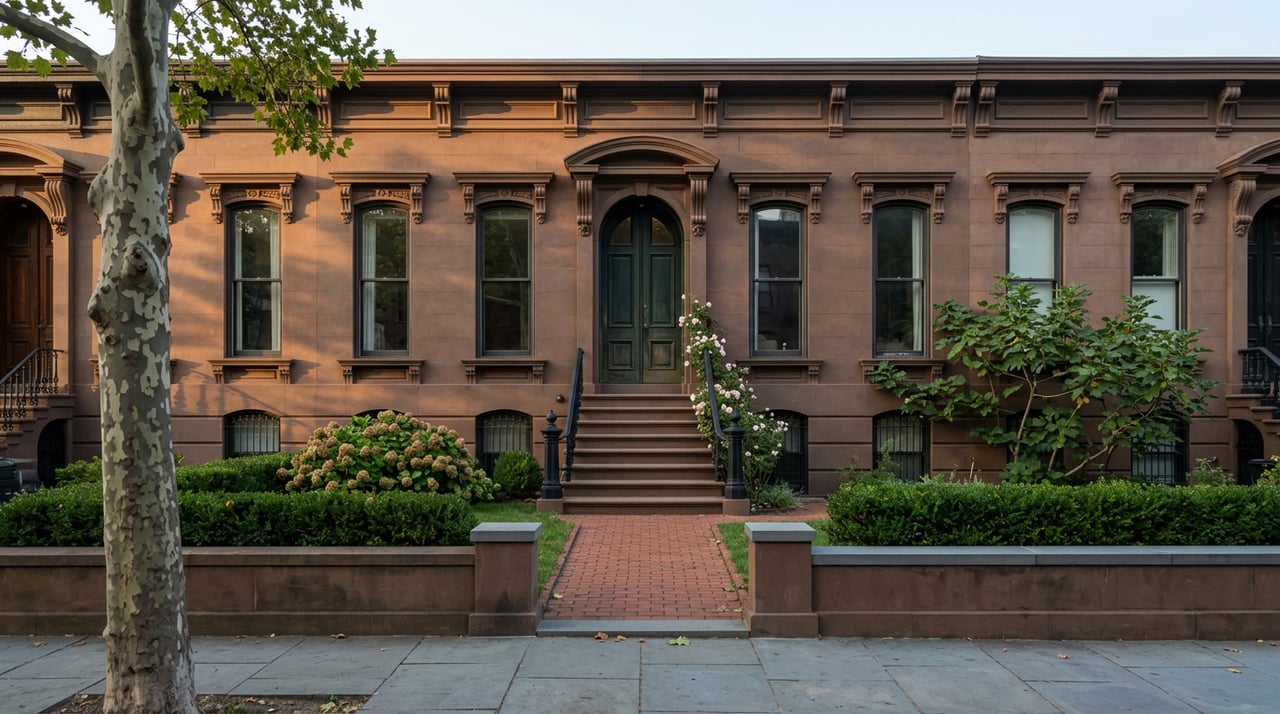
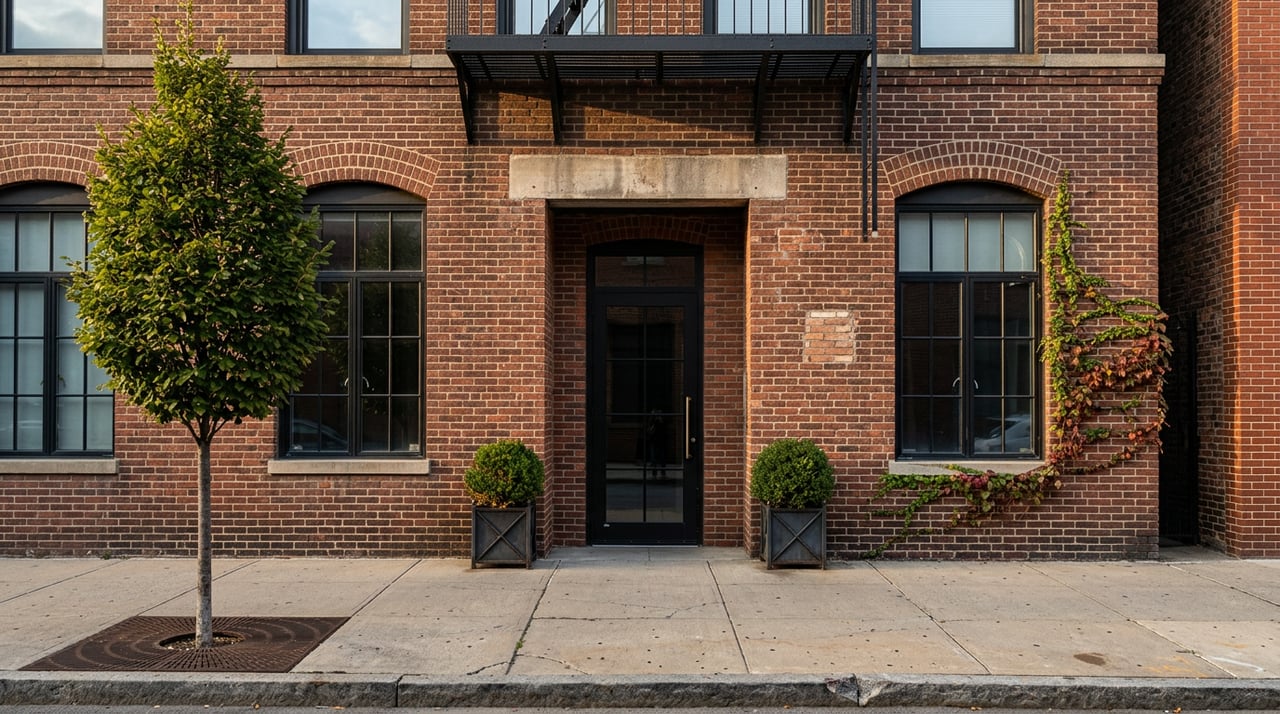
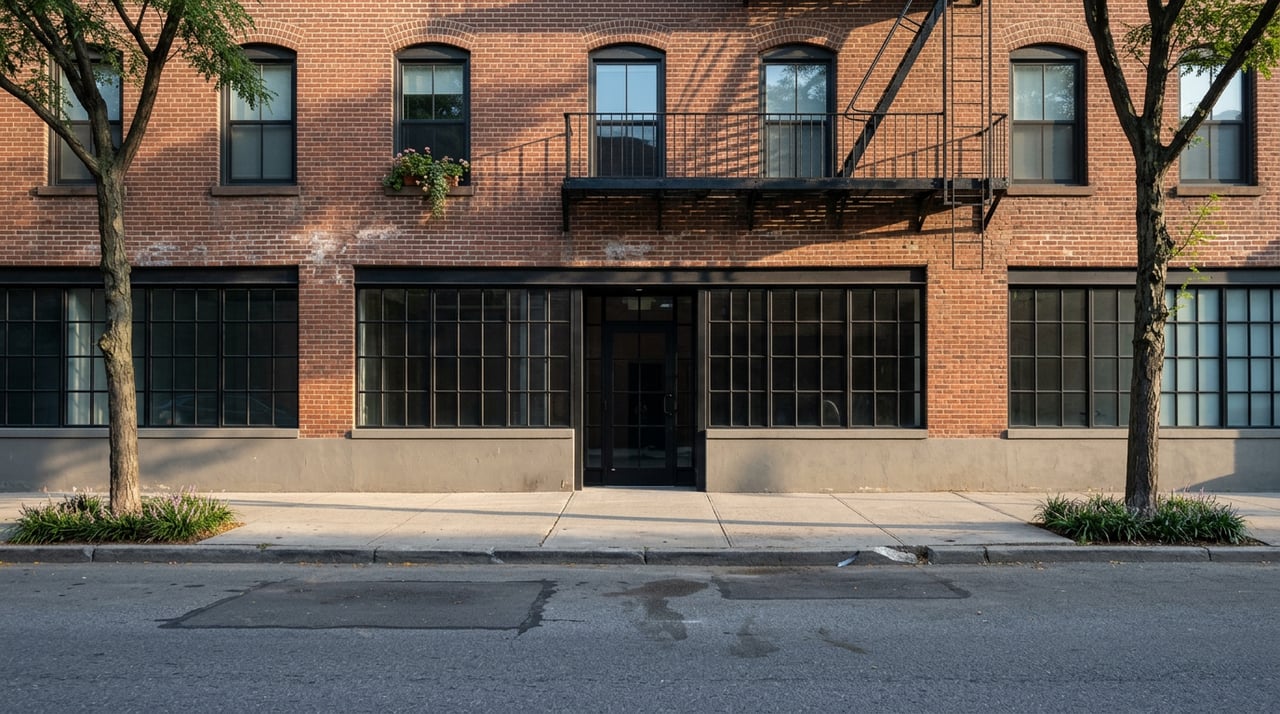
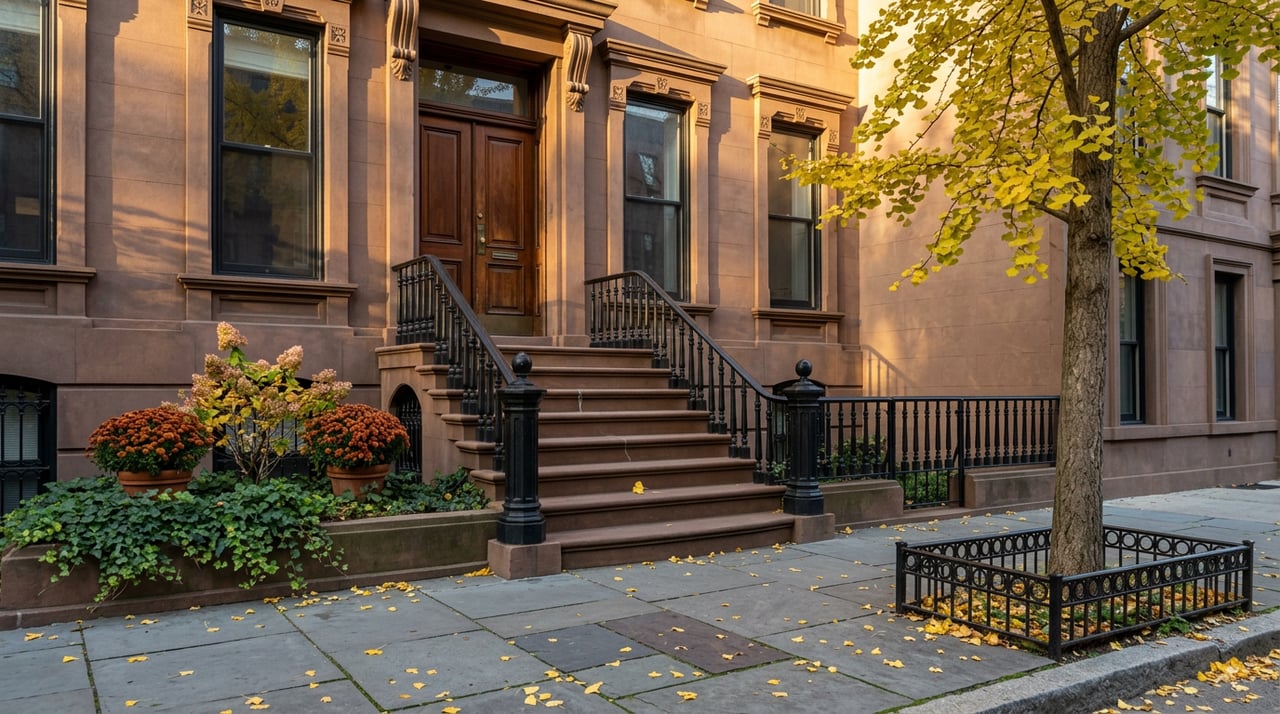
Board packages can feel different across Brooklyn because building stock varies. Historic brownstone neighborhoods like Park Slope and Brooklyn Heights often have more established co-ops, where applications are detailed and interviews are routine. Newer waterfront and converted-loft areas like Williamsburg and DUMBO often lean condo, where submissions are lighter but still structured. If you need more timeline certainty or rental flexibility, your agent can guide you toward buildings whose rules match your plans.
How to present a strong package
Organize and reconcile everything
Boards expect a neat, board-ready submission. Create a single PDF with a clean cover page, a one-page summary of your profile and strengths, a numbered table of contents, and labeled sections for financials, tax returns, bank statements, references, lender documents, and ID.
Before you submit, reconcile your numbers. The totals on your financial statement should match your tax returns, bank statements, and lender commitment. If you have gifted funds, include a signed gift letter and bank evidence of the transfer. For tips on preparing the REBNY financial statement and getting the math right, review this REBNY statement guide.
Write a clear one-page buyer bio
Keep it short, friendly, and factual. Outline who is buying, why you chose the building, your intended occupancy, and any helpful context about your employment or daily routine that relates to building rules. Avoid personal information that is not relevant to your application.
Nail the interview
Most co-op interviews are brief, often 15 to 30 minutes, and may be in person or virtual. Dress business-casual, be punctual, and answer questions directly and concisely. If your spouse, broker, or attorney attends, boards usually expect you to lead the conversation. For a useful etiquette overview and common questions, see this interview-prep guide.
Brooklyn buyer checklist
Use this quick list to move from accepted offer to approval with fewer surprises:
- Get pre-approved and complete a draft REBNY financial statement early. Confirm you can document expected post-closing liquidity.
- At contract signing, ask the seller’s side for the resale packet, building rules, and application instructions. Build 45 to 75 days into your plan for co-op closings and about 30 to 45 days for condos, depending on building cadence and lender timing.
- Follow the building’s format precisely. Submit a paginated PDF or hard copies if required, and pay all fees promptly.
- Reconcile numbers across your documents. Explain any unusual transfers in writing.
- Rehearse 10 to 12 likely interview questions, plan your attire and logistics, and keep answers concise.
Work with a seasoned team
A strong agent removes friction from a process that depends on precision and timing. Your team can pre-package your file, coach you on your buyer bio and interview, flag potential red flags early, and coordinate with the managing agent so your packet reaches the board’s next meeting without delay. This matters when you want to protect your rate lock or plan a move with minimal downtime.
If you are planning a Brooklyn purchase or preparing a board package now, we are here to help. Connect with the MINSKY | ABRISHAMI Team for discreet, white-glove guidance tailored to your timeline and your target building.
FAQs
What is the difference between co-op and condo board approvals in Brooklyn?
- Co-ops approve purchasers with a deeper review of finances, references, and usually an interview, while condos request lighter applications and rely on a rarely used right of first refusal.
How long does a Brooklyn co-op or condo board approval usually take?
- Co-op approvals commonly take 4 to 8 weeks from submission, tied to monthly meeting schedules; condos often process in 1 to 3 weeks once your packet and status letter are complete.
What documents do Brooklyn boards most often request in a co-op package?
- A completed application, REBNY financial statement, two years of tax returns, recent pay stubs or income proof, bank and brokerage statements, reference letters, photo ID, and a mortgage letter if financing.
How much post-closing liquidity should I show for a co-op?
- Many buildings look for liquid reserves covering 6 to 24 months of housing costs, with stricter co-ops often preferring 12 to 24 months; exact requirements vary by building.
Will boards run a criminal background check under NYC’s new Fair Chance rules?
- Many boards and managers must first evaluate your eligibility without criminal-history information, and if they consider that information, they must follow specific notice and assessment steps under the law.
Do Brooklyn buildings allow purchases by trusts or LLCs?
- Some do with additional documentation or conditions, while others limit entity purchases; always confirm in the building’s proprietary lease, bylaws, or declaration before you structure your offer.