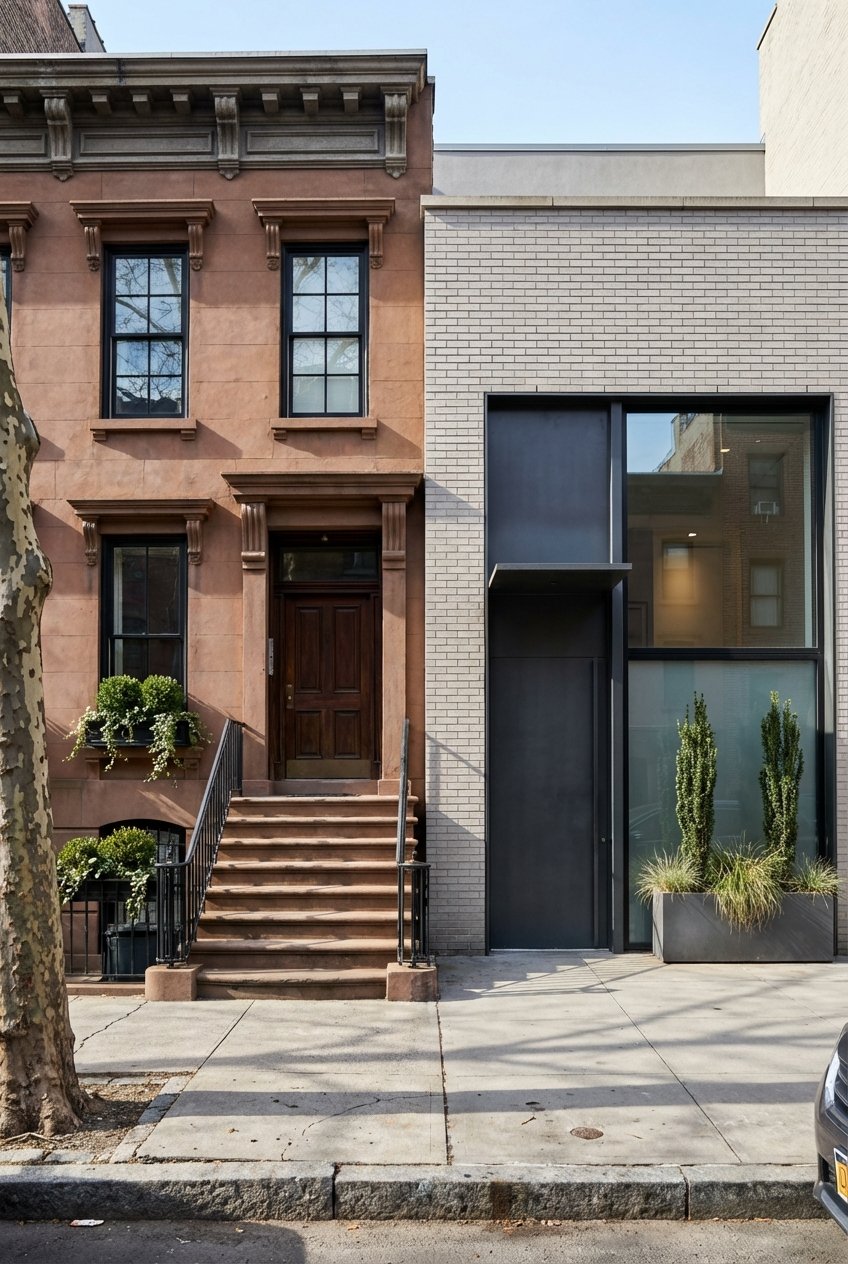
Is your next home in Carroll Gardens a classic brownstone or a modern condo? It’s a great question, and the right answer depends on how you want to live day to day. You might love the idea of a private garden and multiple levels, or you may prefer single-floor convenience and lighter maintenance.
In this guide, you’ll get a clear, side-by-side look at space, outdoor access, maintenance, monthly costs, and flexibility so you can choose with confidence. You’ll also see real neighborhood context and practical next steps tailored to Carroll Gardens. Let’s dive in.
Carroll Gardens at a glance
Carroll Gardens is defined by 19th-century rowhouses with deep front gardens and leafy blocks. A small, designated landmark area, the Carroll Gardens Historic District, protects hallmark blocks on President and Carroll streets between Smith and Hoyt, preserving stoops, areaways, and cohesive brownstone facades. You can explore that history on the Carroll Gardens Historic District overview and the Historic Districts Council page.
Local land use and services sit under Brooklyn Community Board 6, which covers Carroll Gardens and nearby neighborhoods. If you plan exterior work, it helps to watch CB6 calendars and agendas for context on zoning, permits, and neighborhood discussions. Learn more at Brooklyn CB6.
For everyday life, you have F and G subway access at Carroll Street and Bergen Street, and transfers to other lines within a few stops. Public schools fall within New York City DOE District 15, but attendance zones can vary by block and change over time. Always verify the current zoning for a specific address before you buy.
On pricing, market trackers show wide medians because sales mix swings between townhouses, condos, and multi-family. In recent snapshots, some sources placed neighborhood medians in the roughly 1.75–2.3 million dollar band, depending on the time window and property type mix. Always confirm current figures through your agent and the MLS on the week you begin your search. For broader trend context, see PropertyShark’s local overview pages for Brooklyn neighborhoods.
Space and layout
Brownstones: vertical living and volume
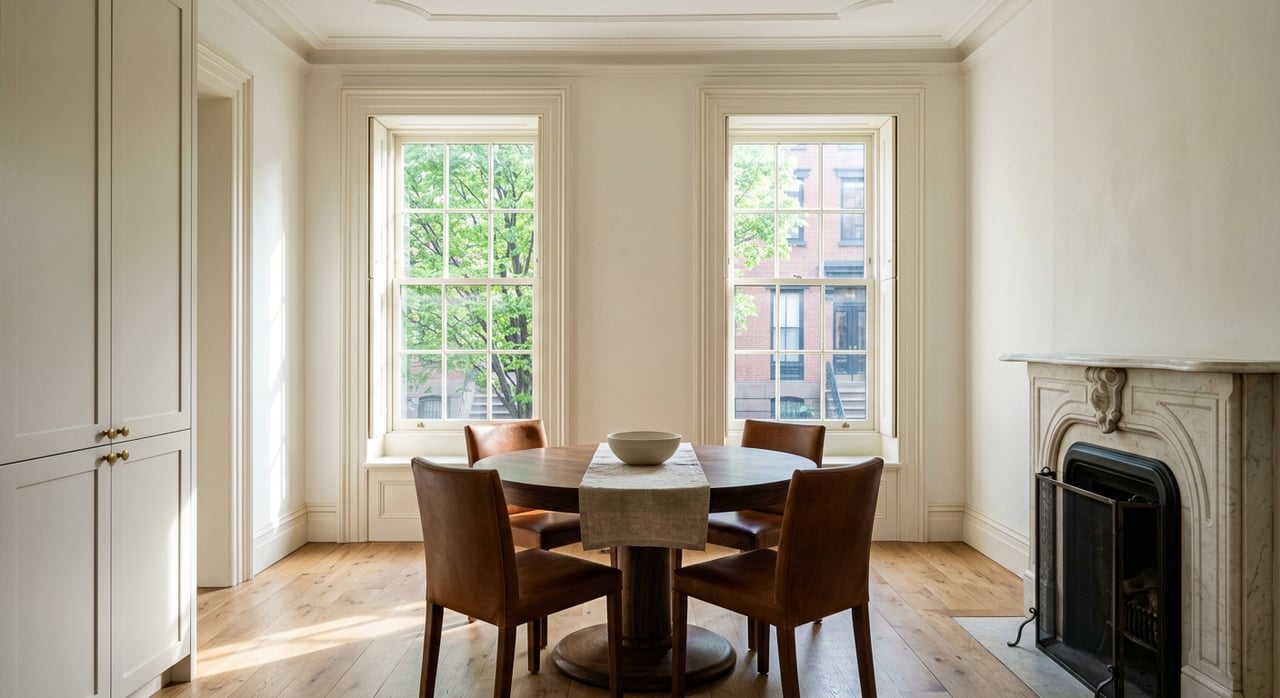
A typical Carroll Gardens brownstone spans multiple levels: a garden or basement level, a parlor floor with high ceilings, and upper bedroom floors. Many offer 3-plus bedrooms, formal living and dining rooms, generous storage, and a private rear yard. Some include a finished attic or roof access. You’ll also encounter two-family layouts where owners occupy a duplex over a rental, or fully converted single-family renovations. A representative renovated example that illustrates the category is 371 Clinton Street, which was publicized at an ask near 4.499 million dollars, showing what a turnkey family brownstone can command in the area (Brownstoner coverage).
Trade-offs: more stairs, more square footage to heat and cool, and full responsibility for exterior systems and structure.
Condos: single-floor ease and amenities
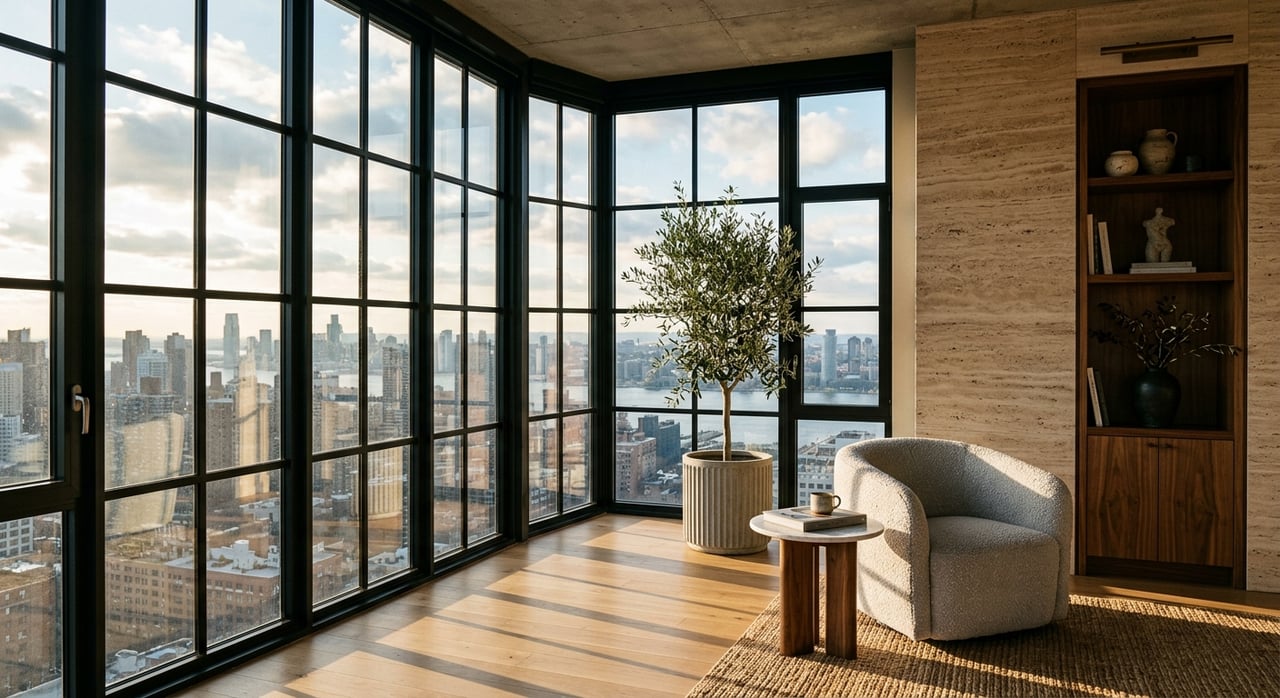
Carroll Gardens condos often deliver single-floor living in floor-throughs, elevator access in boutique buildings, modern kitchens and baths, and shared amenities like roof decks or gyms in newer developments. You’ll see a mix of townhouse-to-condo conversions on quieter blocks and contemporary buildings closer to Court and Smith Streets. These tend to appeal to buyers who want a low-maintenance, move-in-ready home and value accessibility and predictability.
Outdoor access and privacy
Brownstone advantages
Private outdoor space is a major draw. Many homes include a landscaped front garden, a private rear yard, and that classic stoop. Some properties offer roof access or a rooftop deck. If your home is inside the landmarked district, visible exterior changes and rooftop additions can require Landmarks Preservation Commission review, which adds time and coordination. See the Historic Districts Council notes for the district’s scope and typical review considerations.
Condo realities
Condo outdoor access varies. You might get a private balcony or terrace, or shared spaces like a common courtyard or roof deck. Ground-level private yards are less common but do appear in townhouse-to-condo conversions. Amenity-rich buildings sometimes offer landscaped roofs and play areas, which can be a good middle ground if you do not want to maintain a private yard.
Maintenance and renovation risk
Brownstones: you own it all
When you buy a townhouse, you own the building and the lot. You are responsible for the roof, facade and masonry, windows, stoop, boilers and HVAC, plumbing and electrical, and the garden. Older brownstones often need periodic masonry, roof, or stoop work, so plan for irregular capital expenses. Many homeowners use a common heuristic to set aside roughly 1–3 percent of the home’s value per year for maintenance and repairs, with a higher percent for older properties.
If the house sits inside the Carroll Gardens Historic District, exterior work that is visible from the street typically needs Landmarks approvals, which can extend timelines and fees. Review the district outline and typical scope at the Historic Districts Council resource.
Neighbor coordination also matters. Many rowhouses share party walls. Large projects like excavations, top-floor or rooftop additions, or work affecting shared elements often require formal neighbor access agreements. If voluntary agreements fall through, New York law allows owners to petition for access under RPAPL § 881, which is a court process. A helpful primer on licensing and access is available from a local law firm’s overview of RPAPL § 881.
Condos and co-ops: shared systems, clearer budgets
In a condo, the association maintains the building’s common elements, exterior envelope, and shared systems. You pay monthly common charges that cover operations, insurance, and reserves. Fees vary widely. In small, low-amenity conversions, common charges can be relatively modest, while newer, amenity-rich buildings often carry higher four-figure monthly fees. A published resale example in the neighborhood showed common charges in the 500–800 dollar range for a smaller condo, illustrating how building size and amenities change the math (Brownstoner example).
Co-ops are also common across Brownstone Brooklyn. You buy shares in a corporation and receive a proprietary lease. Monthly maintenance typically includes a portion of the building’s property taxes and operating costs. Co-ops can offer lower price-per-square-foot than condos but often require stronger financials at purchase and impose more rules around alterations and subletting.
Monthly carrying costs
Taxes, charges, and reserves
New York City taxes properties by class. One-to-three-family townhouses often fall in Class 1, while larger multi-unit buildings, including most condos and co-ops, fall in Class 2. Rates are set annually. You can review current fiscal year rates on the NYC Department of Finance property tax page. Tax rules and assessments change, so confirm the latest numbers for any address.
Here is a simple framework to compare monthly “all-in” costs. Replace the placeholders with your preapproval terms and the property’s actual tax and fee data.
Brownstone example scenario
- Purchase price: 4.50 million dollars (illustrative, comparable to turnkey listings covered in the neighborhood press)
- Mortgage principal and interest: based on your preapproved rate, down payment, and term
- Property tax: estimate using the DOF Class 1 rate applied to the assessed value for the address
- Insurance and utilities: confirm quotes for a multi-story townhouse
- Maintenance reserve: 1–3 percent of home value per year set aside for repairs and capital items
- At 4.50 million dollars, that is 45,000–135,000 dollars annually, or about 3,750–11,250 dollars monthly as a reserve, not a guaranteed yearly spend
Condo example scenario
- Purchase price: 2.30 million dollars (illustrative mid-range condo in the area)
- Mortgage principal and interest: based on your preapproved rate, down payment, and term
- Property tax: estimate using the DOF Class 2 rate and the unit’s assessed value
- Common charges: use the building’s current schedule; boutique conversions may be a few hundred dollars per month, while amenity buildings often land in the four-figure range
- Maintenance reserve: optional personal reserve for interior repairs and appliances
These line items show why condos can be more predictable month to month, while townhouses concentrate risk but deliver more private space and control.
Ownership, financing, and flexibility
Fee simple townhouses
You own the building and land outright. Financing uses a standard mortgage. You control renovations and use, subject to code, zoning, and Landmarks where applicable. You also bear all capital and operating risk. For some buyers, the ability to customize and grow into the house outweighs the added responsibility.
Condos and co-ops
Condos give you a deed to a specific unit plus an undivided interest in the common elements. They tend to be easier to finance and resell than co-ops, with fewer board restrictions and simpler alteration approvals. Co-ops involve purchasing shares with a proprietary lease. They often require more detailed financial vetting and can restrict subletting, guest occupancy, or investor ownership. If you expect to relocate or rent in the near term, understand the building’s rules before you commit.
Closing-cost differences to keep in mind
Condos typically include a mortgage recording tax on financed purchases and title insurance, which can raise your closing cash requirement compared to co-ops. Co-ops often avoid mortgage recording tax but may require stronger post-closing liquidity. Your attorney and lender can produce a property-specific estimate of closing costs.
Which buyer fits each option
If you want long-term space, privacy, and the ability to grow into a home
- Choose a brownstone. You gain a private garden, multiple bedrooms and living areas, and a canvas you can customize over time. Trade-offs are stairs, higher hands-on maintenance, and larger capital projects.
If you value low maintenance, single-floor living, and flexibility
- Choose a condo. You get a turnkey setup, simpler budgeting via common charges, and generally easier resale or rental options. Trade-offs are less private outdoor space and potentially higher per-square-foot pricing for new construction.
Real-world signals from recent examples
Renovated family brownstone at 371 Clinton Street
- Publicly marketed near 4.499 million dollars in neighborhood press, illustrating the price level for a polished single-family home with classic details and modern systems in Carroll Gardens (Brownstoner report).
Celebrity townhouse sale in Carroll Gardens
- A high-profile sale covered by the design media underscores the top end of the local townhouse market, but is not representative of typical pricing (Architectural Digest coverage).
Amenity condo benchmarks
- Contemporary condo buildings in the neighborhood and just beyond often pair elevator access with shared outdoor space. These projects show how common charges rise with amenities, while offering the convenience many relocating buyers want.
Always date your comps and verify final sale prices with your agent, since listing asks and recorded outcomes can diverge.
Quick decision guide
- Prioritize a private yard and multiple bedrooms for years to come → Brownstone
- Prefer single-floor living and elevator access → Condo
- Want lower day-to-day maintenance and clearer monthly costs → Condo
- Value full control over renovations and finishes → Brownstone
- Need easier future rental or resale flexibility → Condo
- Comfortable budgeting for irregular capital repairs → Brownstone
Carroll Gardens buyer checklist
- Confirm the exact block and landmark status. If you want the iconic front-garden blocks and stricter exterior protections, check whether the address sits inside the designated district using the Historic Districts Council resource.
- Monitor Community Board 6 agendas if you anticipate exterior work or a larger renovation to understand local context and timing. Start at Brooklyn CB6.
- Get preapproved. Ask lenders how terms differ for condos, co-ops, and multi-family townhouses, and what post-closing reserves they require.
- For condos and co-ops: review the offering plan, audited financials, budget, reserve study, house rules, and any active or pending special assessments.
- For brownstones: order a full-building inspection, including roof, facade, foundation, and mechanicals. Pull DOB and LPC permit history, and get contractor bids for likely near-term repairs.
- If your renovation touches shared walls, basements, or roofs, plan for neighbor access agreements and monitoring. Learn the basics of access licensing via RPAPL § 881.
- Build a side-by-side monthly budget. Include mortgage, property tax using the NYC DOF tax rates, common charges or co-op maintenance, insurance, utilities, and a maintenance reserve.
Ready to compare options on the ground?
If you are weighing a Carroll Gardens brownstone against a condo, tailored property tours and a clear cost model make the choice far easier. For a data-informed short list and neighborhood-specific guidance, connect with the MINSKY | ABRISHAMI Team.
FAQs
What makes Carroll Gardens different from nearby brownstone areas?
- Carroll Gardens is defined by its deep front gardens and a small landmarked district on President and Carroll streets. Those features create a distinct, leafy look compared with some adjacent neighborhoods.
If I buy in the historic district, can I add a rooftop deck?
- Possibly, but visible exterior changes often require Landmarks review. Expect added design, permitting, and timing steps. Start by confirming whether the address is inside the designated district.
How do townhouse and condo monthly costs really compare?
- Townhouses avoid HOA fees but require you to budget for taxes, insurance, utilities, and a maintenance reserve that can be 1–3 percent of value annually. Condos add common charges but shift big-ticket exterior costs to the building.
Are co-ops a good alternative if I want value?
- Co-ops can offer lower price-per-square-foot and include taxes in monthly maintenance. In exchange, you’ll see stricter purchase vetting and more rules on alterations and subletting.
What should I check before bidding on a brownstone?
- Order a full inspection, review DOB and LPC histories, get bids for likely repairs, and plan for neighbor coordination on any structural or exterior work.
How do I estimate property taxes for a specific home?
- Look up the current NYC DOF tax rates by property class and apply them to the property’s assessed value. Your attorney and lender can help produce a precise estimate before you sign.