Thinking about selling your Brooklyn Heights brownstone but not sure where to start? You are not alone. These homes are special, and the way you prepare, present, and document yours can add real value and shorten time on market. In this guide, you will learn how to time your launch, prioritize smart fixes, stage for impact, and assemble the paperwork buyers and lenders expect in New York City. Let’s dive in.
Understand the Brooklyn Heights market
Brooklyn Heights is a premium, low‑inventory neighborhood that draws buyers who value historic townhouses, period details, and proximity to Manhattan and Brooklyn Bridge Park. That buyer pool expects quality and responds to thoughtful presentation. Your goal is to highlight authenticity, flow, and upkeep while making it easy for buyers to visualize life in the home.
Seasonality and timing
NYC has distinct listing seasons. Spring and early fall traditionally bring stronger buyer traffic across the city. Recent commentary shows a strong start to the fall season for many Brooklyn neighborhoods, which reinforces how timing affects showings and days on market. You can review local seasonality trends in StreetEasy’s fall market analysis, then fine‑tune your go‑live date with fresh comps.
Price positioning beyond medians
Neighborhood medians can swing based on the mix of condos, co‑ops, and townhouses. Brownstones with intact details, outdoor space, and finished lower levels typically trade at a premium relative to mixed‑product medians. Work with your agent to price off true townhouse comps, not just broad neighborhood averages.
Pre‑listing improvements that matter
Small, targeted updates that respect the home’s character usually outperform expensive overhauls. Focus on condition, light, and flow.
Quick, high‑impact refreshes
- Declutter, deep clean, and depersonalize. Fresh, neutral paint unifies rooms and photographs well.
- Upgrade lighting and hardware where dated. Daylight‑balanced bulbs make interiors feel brighter in photos and tours.
- Refresh original floors and trim. Where possible, clean and refinish instead of replacing. If you uncover damage after pulling carpet, repair before listing.
Preserve period details
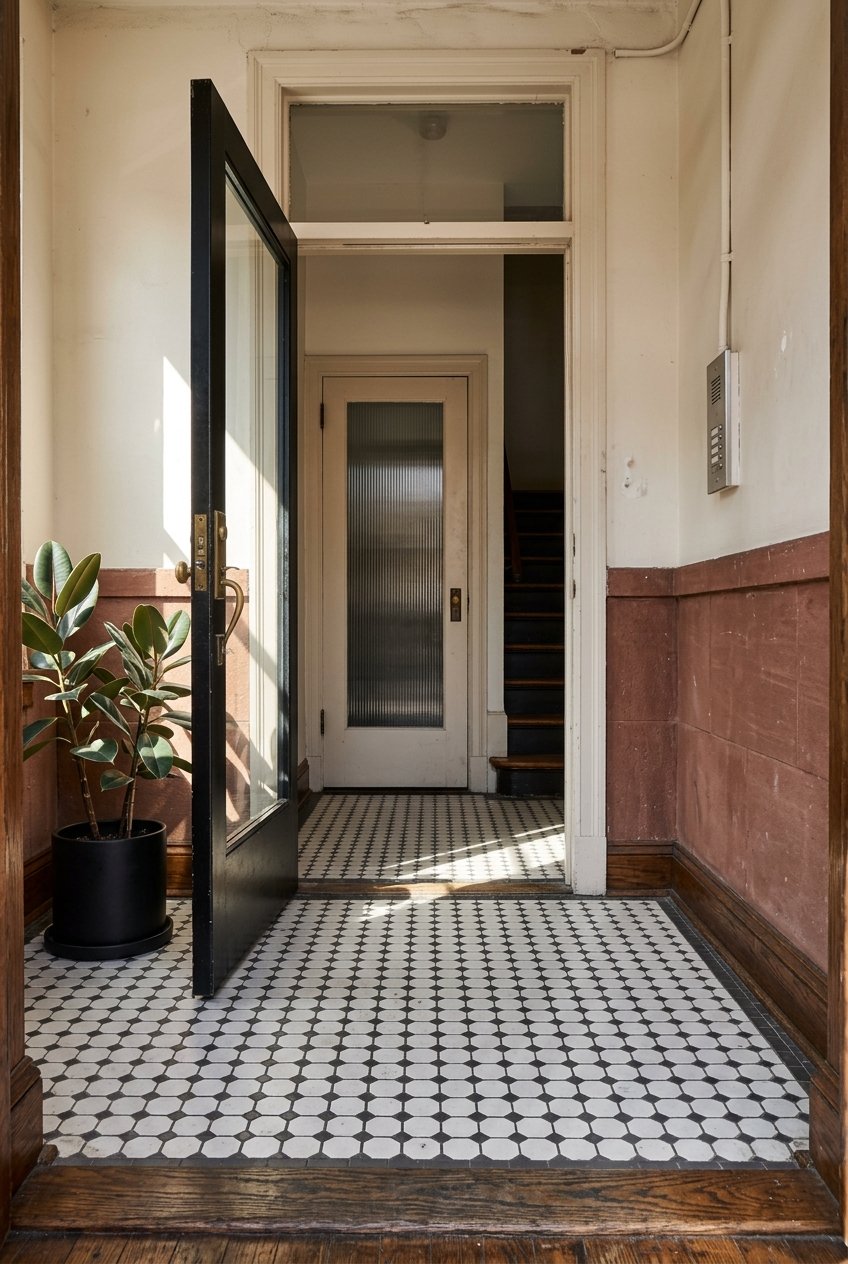
Buyers pay for authenticity. Keep original mantels, moldings, plaster, stair details, and historically appropriate windows when practical. If you plan changes, consult a preservation‑aware contractor and review guidance from the NYC Landmarks Preservation Commission to avoid value‑eroding missteps.
Exterior, stoop, and façade
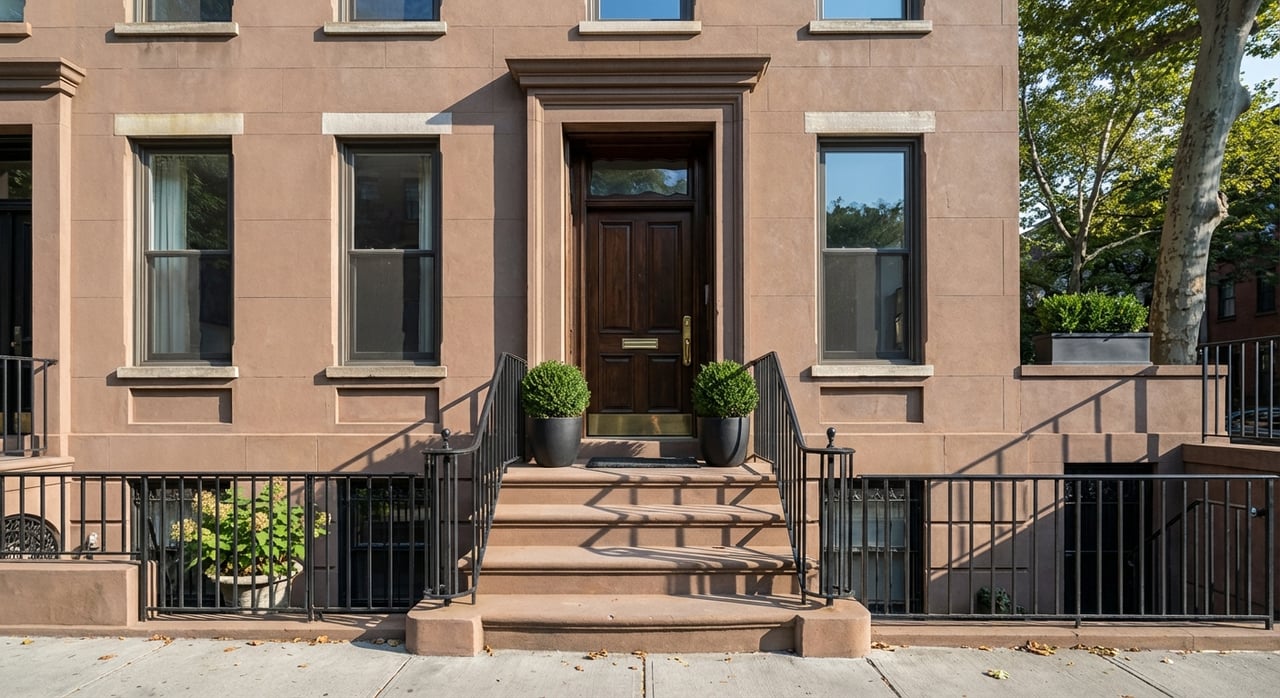
Much of Brooklyn Heights is inside a landmark district. Exterior work visible from the street, such as stoops, cornices, brownstone repair, and window changes, typically requires LPC review and permits. That process can add weeks or months, so factor approvals into your schedule. Use contractors experienced with brownstone masonry and avoid aggressive cleaning that can damage stone.
Systems, permits, and violations
Buyers expect well‑maintained mechanicals. Service HVAC and boiler, address minor leaks, and fix tripped breakers or noisy equipment. Check for open permits or violations and start clearing them early. Buyers, lenders, and attorneys will review your property’s history using the NYC Department of Buildings, so clean records help protect value and speed.
Stage for how buyers shop today
Staging and premium media change how your listing performs online and in person.
What to stage first
The National Association of REALTORS® reports faster sales and offer value lifts when homes are staged, with the living room, primary bedroom, and kitchen ranking as the most influential rooms. Use those priorities to guide your staging plan and budget. Review highlights from the NAR home staging report.
Physical vs. virtual staging
Physical staging is ideal for high‑end townhouses with frequent showings. Virtual staging can be a cost‑efficient alternative for vacant spaces, as long as you disclose it clearly. New York advertising rules call for conspicuous disclosure when images are digitally altered. You can review the state’s advertising standards in 19 NYCRR §175.25. Avoid edits that hide defects or change structural features.
Photography, floor plans, and 3D tours
Professional photos, accurate floor plans, and a quality video or 3D walkthrough are now standard in premium NYC listings. Brownstones live vertically, so clear depictions of parlor flow, stair circulation, and garden access help buyers understand the layout before they tour in person.
A note on drone media in NYC
Aerials can showcase skyline context for select properties, but New York City has strict rules. Commercial operators must comply with FAA Part 107 requirements and local restrictions on takeoff and landing under NYC Administrative Code §10‑126. Work with licensed providers who understand permitting.
Your documentation checklist
Assembling a clean, complete package upfront makes buyers more confident and can prevent delays during attorney review and underwriting.
- Property Condition Disclosure Statement (PCDS). New York requires sellers to deliver the PCDS before contract. Review the official guidance and forms from the NYS Department of State and the Real Property Law Article 14 summary. Answer accurately, including flooding, structural issues, and recent renovations.
- Lead‑based paint disclosure for pre‑1978 housing. Provide the federal pamphlet and disclose known lead hazards for older homes.
- Certificate of Occupancy and DOB job history. Provide the current C of O or I‑card history, plus a permits and violations printout. Buyers and lenders will check records through the NYC Department of Buildings.
- Permits and approvals for past work. Include permits and sign‑offs for interior renovations and any LPC approvals for visible exterior work.
- Survey or plot plan. Even an older survey helps clarify lot lines, yard, and areaways.
- Tax and utility bills. Share 2 to 3 years of tax bills and recent utility statements to help buyers estimate carrying costs.
- Mechanical service records. Boiler and HVAC service receipts, oil tank closure documentation if applicable, and any environmental remediation records.
- For multi‑family sales. Provide current rent roll, copies of active leases, proof of rent payments, and a security deposit ledger.
- Flood and insurance data. Check the FEMA map and share known flood history or elevations if available. See the FEMA Flood Map Service Center to confirm whether flood insurance may be required.
Pricing, presentation, and your timeline
Why presentation changes value
Staging helps homes sell faster and, in many cases, for more money. The latest NAR findings report reduced time on market for staged listings and agent‑observed lifts in offer price. Pair staging with strong media and complete documentation to maximize traction in the first two weeks on market.
A 6–8 week fast‑track plan
- Week 0: Strategy meeting, draft pricing approach, order a pre‑listing inspection, and pull DOB and LPC histories. Start your PCDS.
- Weeks 1–3: Complete targeted repairs, service mechanicals, refinish floors where needed, and paint key rooms.
- Week 3–4: Install physical staging or finalize virtual staging assets. Book professional photography, floor plans, and a video or 3D tour.
- Go live: Launch with full media and disclosures. Schedule open houses to capture early momentum.
A 12+ week plan if exterior work is needed
- Weeks 1–2: Consult a preservation‑experienced mason or contractor and submit LPC applications for any visible façade, stoop, or window work.
- Weeks 3–10: Complete approved exterior work while refreshing interiors. Keep documentation organized for buyer review.
- Week 10–12: Install staging, complete media, and time your launch ahead of a strong seasonal window.
Helpful cost planning
- Professional photography and twilight add‑ons: roughly $250 to $1,000 depending on scope.
- 3D walkthrough: roughly $150 to $600, depending on provider and size.
- Virtual staging: about $25 to $150 per image, based on customization.
- Physical staging: ranges from a few hundred per room for partial staging to $5,000 to $20,000+ per month for full luxury installs.
- Targeted mechanical servicing: roughly $500 to $5,000 depending on trade and scope.
Common pitfalls to avoid
- Over‑modernizing or removing historic details that buyers value.
- Starting visible exterior work without LPC approval when required.
- Using aggressive façade cleaning methods that damage brownstone.
- Virtually staging images without clear disclosure under New York advertising rules.
- Assuming drones are allowed without checking FAA Part 107 and NYC local restrictions.
- Ignoring flood risk. Confirm status with the FEMA map and disclose known history.
Next steps
With the right plan, your brownstone can command attention and strong offers. If you want a tailored timeline, vendor suggestions, and presentation strategy rooted in Brooklyn Heights experience, connect with the MINSKY | ABRISHAMI Team for data‑driven pricing, white‑glove listing production, and weekly seller reporting.
FAQs
When is the best time to list a Brooklyn Heights brownstone?
- Spring and early fall often bring stronger buyer activity in NYC, and recent commentary highlighted a strong start to fall across Brooklyn; use StreetEasy’s seasonal insights and your agent’s fresh comps to pinpoint timing.
What exterior work needs approval in the Brooklyn Heights Historic District?
- Visible changes to façades, stoops, windows, and cornices typically require LPC review and permits; start early and plan for added time.
Do I need to disclose past flooding or environmental issues?
- Yes. New York requires the Property Condition Disclosure Statement before contract, which asks about flooding and environmental conditions; review the official PCDS guidance and confirm flood status on the FEMA map.
Is virtual staging allowed in New York listings?
- Yes, but you must disclose it clearly under state advertising rules; see 19 NYCRR §175.25 and avoid edits that hide defects or change structure.
How do buyers and lenders check permits or violations in NYC?
- They review the property’s records through the NYC Department of Buildings, so clearing open permits or violations before listing helps prevent delays.