Choosing between Manhattan and Brownstone Brooklyn is not just about price. It is about how you want your days to feel, how much space you need, and what kind of building experience fits your routine. If you are weighing both, this guide will help you compare housing, commuting, lifestyle, and cost so you can make a more confident move. Let’s dive in.
Start With the Core Tradeoff
For many movers, the choice comes down to convenience versus space. Manhattan often appeals to buyers and renters who want a highly walkable routine, quick access to major transit hubs, and a lock-and-leave building setup. Brownstone Brooklyn often draws people who want larger rooms, more bedrooms, and a lower-rise residential setting.
That contrast shows up clearly in the housing data. In the 2023 New York City Housing and Vacancy Survey, Manhattan had 504,600 studio and one-bedroom units, which made up 54% of the borough’s housing stock. Brooklyn had the largest number of three-bedroom-or-larger homes at 348,800, with 31% of its stock in that category.
Housing Style Feels Different
Manhattan leans vertical
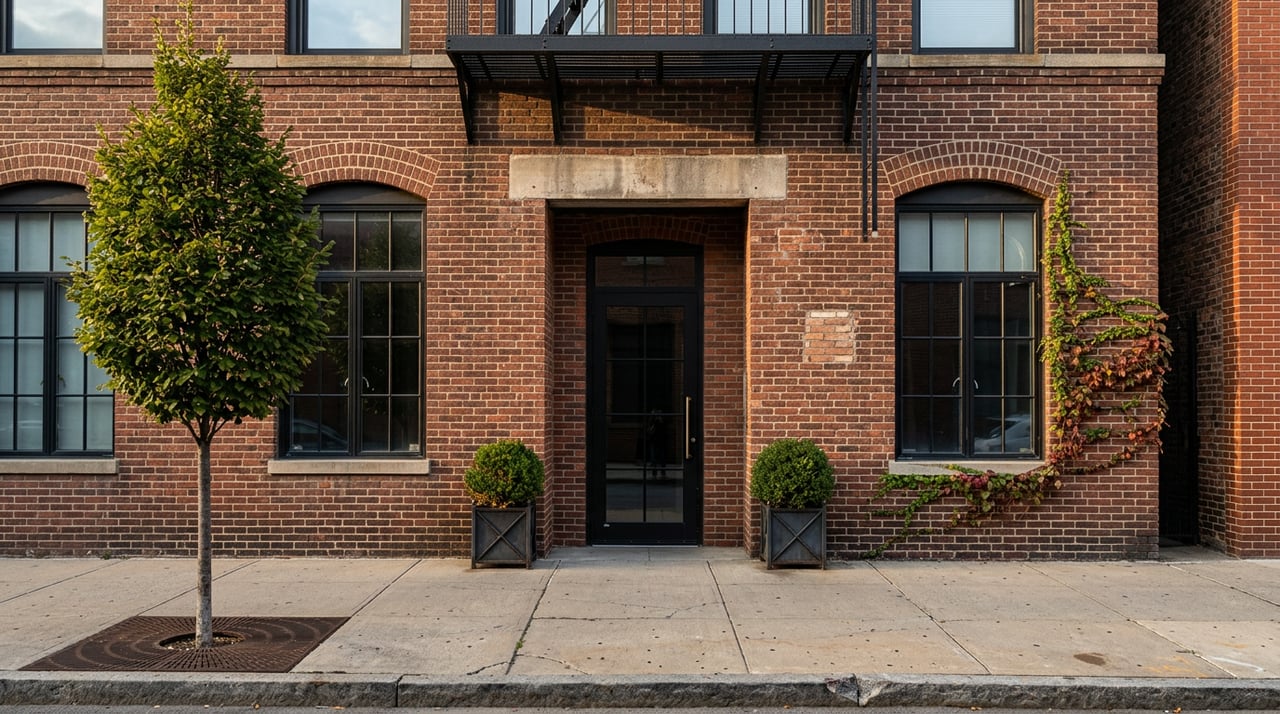
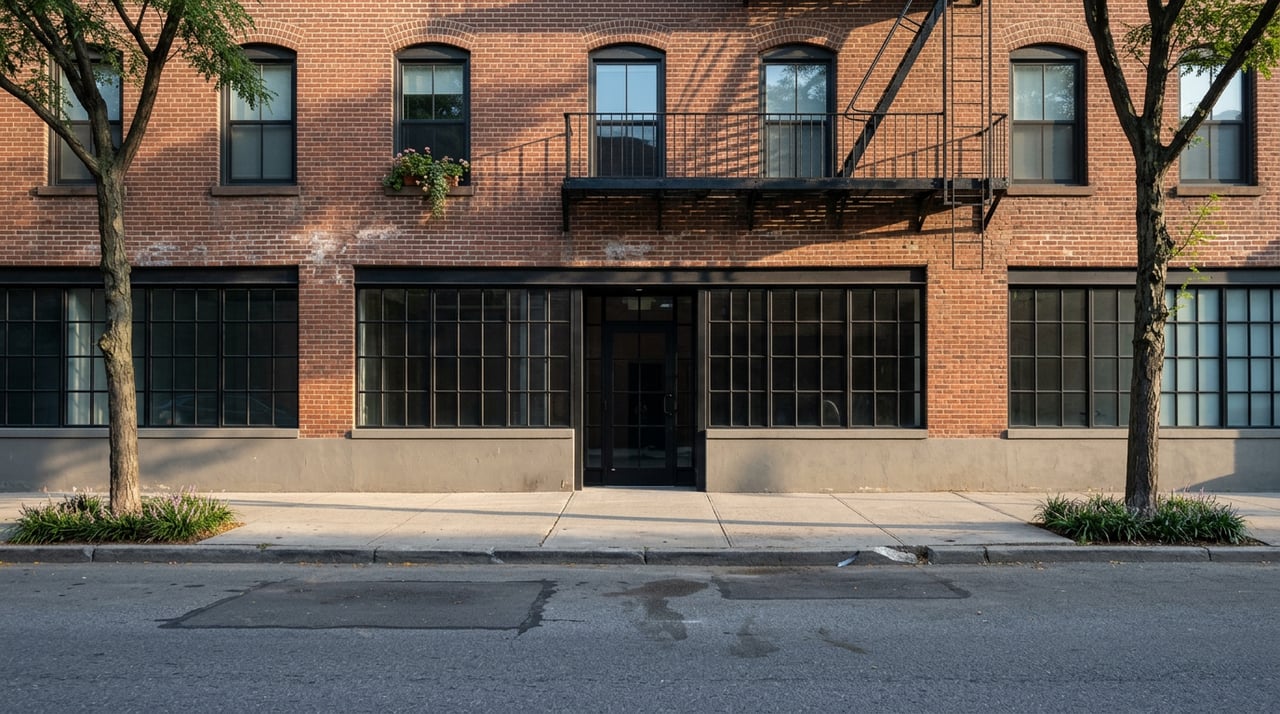
In Manhattan, residential districts often rise as taller apartment buildings. In practical terms, that usually means elevator buildings, co-ops, condos, and smaller but efficient layouts. If you value doorman service, shared amenities, and a home that is easy to leave when you travel, that setup may feel familiar and appealing.
For many buyers, that kind of housing supports a faster daily rhythm. You may be closer to work, restaurants, transit, and errands, but your interior footprint may be tighter. The trade can make sense if you prioritize access over extra rooms.
Brownstone Brooklyn leans low-rise
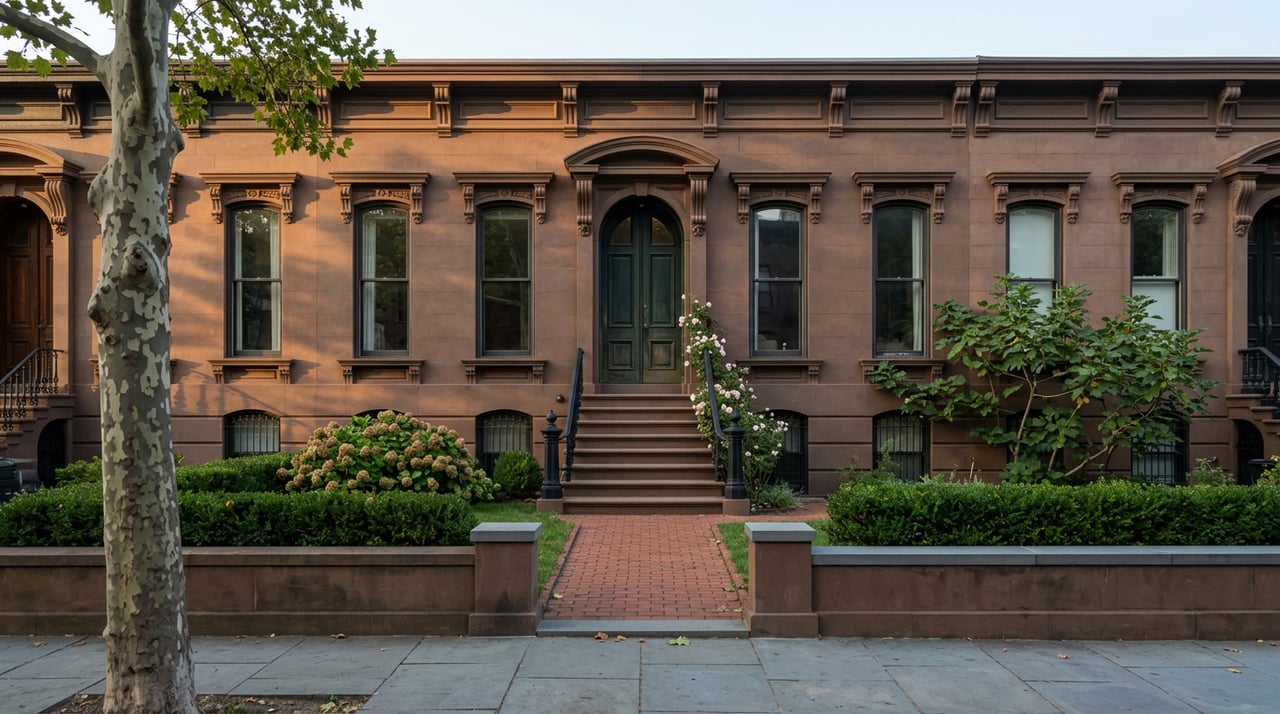
Brownstone Brooklyn has a different physical character. New York City Planning describes traditional brownstone areas such as Park Slope, Boerum Hill, and Bedford-Stuyvesant as row-house neighborhoods with stoops, small front yards, and attached four-story buildings.
That often translates to townhouse-style or low-rise living, with more bedrooms and a more residential street scale. You may gain square footage and separation between living areas, but you may also have more stairs and less of the elevator-building convenience that many Manhattan homes offer.
Space Needs Matter More Than You Think
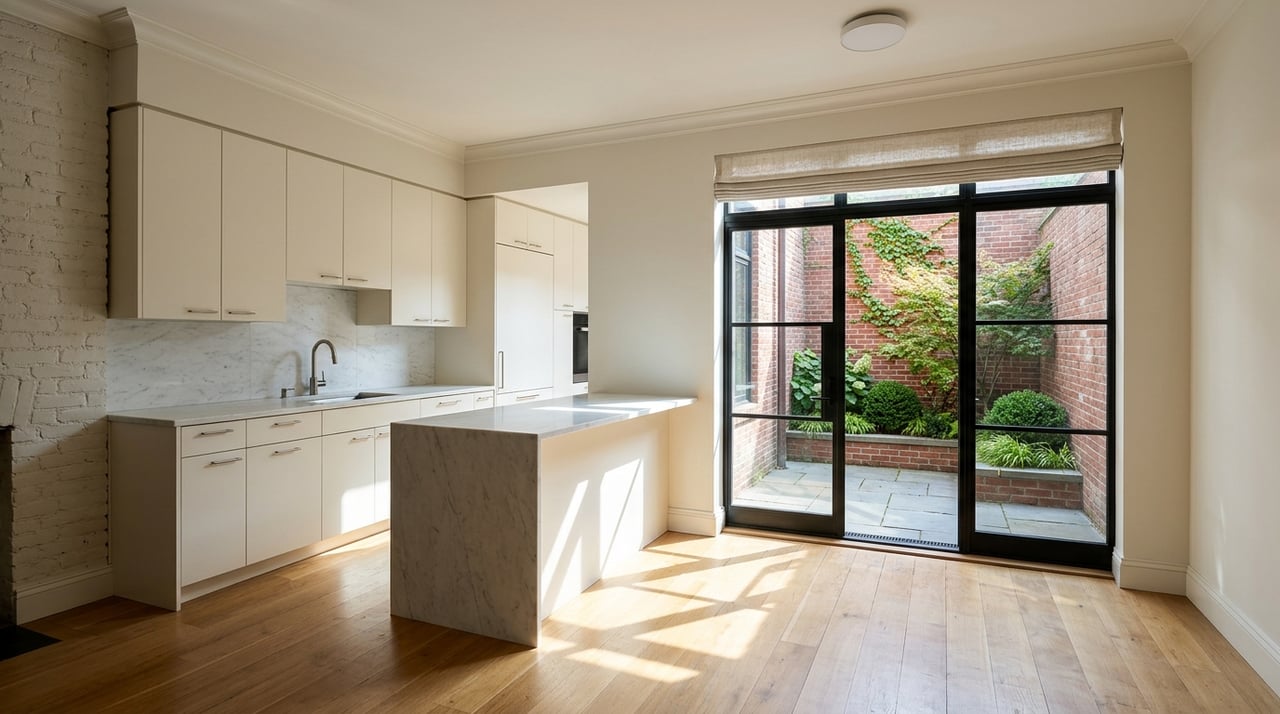
If you work from home, host guests often, or need a dedicated office, space can shift from a nice-to-have to a daily need. That is one reason Brownstone Brooklyn stays so attractive for people who want more flexibility in their floor plan.
Brooklyn also showed more family-sized new construction rentals in StreetEasy’s February 2026 report. About 42.3% of new construction rentals in Brooklyn offered two or three bedrooms, compared with 27.2% in Manhattan. For renters who need extra rooms, that can mean a wider set of options.
At the same time, work-from-home patterns have blurred the old idea that everyone must live as close to Midtown as possible. New York City Planning’s 2023 ACS analysis found that a band running from Park Slope, Downtown Brooklyn, and Williamsburg through Lower Manhattan and the Upper East and West Sides had 15% or more resident workers primarily working from home. If you are hybrid, a little more space may matter more than shaving off every minute of your commute.
Manhattan Usually Wins on Transit Redundancy
More line choices in Manhattan
Manhattan has the deepest transit redundancy in the city. MTA neighborhood maps show multiple subway line combinations converging at major hubs like 34 St-Herald Square, Times Square-42 St, Grand Central-42 St, Fulton St, Union Square, and Wall St.
That matters because redundancy gives you backup options. If one line is delayed, you may still have another route within a short walk. For people who commute on-site five days a week, that flexibility can make a real difference.
Brooklyn works best near trunk lines
Brownstone Brooklyn is still very well served by transit, but service is often more corridor-based. Major stations such as Atlantic Av-Barclays Center, Bergen St, Grand Army Plaza, 7 Av, 4 Av-9 St, Smith-9 Sts, and Jay St-MetroTech often anchor the commute.
In practical terms, your exact block matters more. A beautiful brownstone street can feel very convenient if you are within an easy walk of a strong subway line. If not, your daily travel may feel less flexible than it would in many parts of Manhattan.
Ferry service can add another option
For some waterfront-adjacent Brooklyn locations, NYC Ferry adds a useful secondary route. The East River route connects DUMBO to Wall St/Pier 11 and East 34th Street, and the South Brooklyn route serves Atlantic Ave/BBP Pier 6 and Red Hook while linking South Brooklyn areas to Midtown and the Financial District.
That will not replace the subway for everyone, but it can widen your commuting choices depending on where you live and work.
Price Headlines Favor Brooklyn
For many buyers and renters, budget is where this decision gets real very quickly. In March 2026, StreetEasy reported a median asking rent of $4,750 in Manhattan compared with $3,750 in Brooklyn. Median asking prices were $1,395,000 in Manhattan versus $1,027,000 in Brooklyn.
That means Manhattan was roughly 21% higher on asking rent and about 36% higher on asking price. If you are comparing borough-level headline numbers, Brooklyn remains the lower-dollar option.
Still, that does not mean Brownstone Brooklyn is always inexpensive on a like-for-like basis. Product type matters, block matters, and price per square foot can tell a more nuanced story.
Price Per Foot Can Surprise You
One of the biggest misconceptions in this comparison is that Manhattan always costs more by every measure. On total purchase price, that is often true at the borough level. On a per-square-foot basis, some brownstone-stock transactions can be just as expensive, or even slightly more so.
Douglas Elliman’s Q4 2025 reports showed an average Manhattan sales price per square foot of $1,629. The Brooklyn Brownstone matrix averaged $1,665 per square foot. That does not mean every brownstone costs more than Manhattan property, but it does show that sought-after brownstone inventory can command very strong pricing.
This is why your search should not focus only on borough averages. You need to compare the specific product you want, whether that is a full townhouse, a condo in a brownstone district, or an elevator building apartment with amenities.
Rental Tightness Affects Both Boroughs
No matter which side of the East River you prefer, supply remains an important factor. The citywide rental vacancy rate in the 2023 Housing and Vacancy Survey was 1.41%, which points to a tight market overall.
StreetEasy also reported that Manhattan rental inventory fell for a 24th consecutive month in February 2026. That helps explain why renters often feel pressure to move quickly, especially in popular locations and for well-priced units.
Brooklyn may offer somewhat more choice if your priority is space, especially in two- and three-bedroom new construction rentals. Even so, the broader market remains competitive, so timing and preparation still matter.
Which Lifestyle Fits Your Move?
Manhattan may suit you if you want:
- A shorter, highly walkable daily routine
- More transit route redundancy
- Elevator-building convenience
- A lock-and-leave home style
- Easy access to major business and commercial districts
Brownstone Brooklyn may suit you if you want:
- Larger rooms or more bedrooms
- Townhouse character and classic row-house streets
- A lower-rise residential feel
- More flexibility for a home office or guests
- A lower headline price point than Manhattan in many cases
A Smarter Way to Decide
If you are stuck between the two, try narrowing your decision around daily use instead of broad labels. Ask yourself where you need convenience most, inside the home or outside it. If your top priority is transit flexibility and centrality, Manhattan often has the edge.
If your top priority is square footage, layout flexibility, and brownstone character, Brooklyn often becomes more compelling. For many buyers and renters, the best answer is not which borough is better. It is which tradeoff feels easier to live with every day.
For clients comparing Manhattan with Brooklyn neighborhoods like Park Slope, Brooklyn Heights, Fort Greene, Prospect Heights, Clinton Hill, DUMBO, or Williamsburg, a more detailed block-by-block comparison can make the choice much clearer. The right guidance can help you weigh not just cost, but product type, commute rhythm, and long-term fit.
If you are planning a move and want a grounded, data-informed view of where you will feel most at home, the MINSKY | ABRISHAMI Team can help you compare your options with the care and clarity this decision deserves.
FAQs
Is Manhattan or Brownstone Brooklyn better for more living space?
- Brownstone Brooklyn generally offers more larger homes and more three-bedroom-or-larger housing stock, while Manhattan has a higher share of studios and one-bedroom units.
Is Manhattan or Brownstone Brooklyn better for commuting in New York City?
- Manhattan usually offers more transit redundancy because more subway lines converge at major hubs, while Brownstone Brooklyn often works best when you are close to a major station or trunk line.
Is Manhattan or Brownstone Brooklyn more affordable to rent?
- Based on March 2026 median asking rents, Brooklyn was lower at $3,750 compared with Manhattan at $4,750.
Is Manhattan or Brownstone Brooklyn less expensive to buy?
- At the borough level, Brooklyn had a lower March 2026 median asking price of $1,027,000 versus $1,395,000 in Manhattan, though some brownstone properties can price very strongly per square foot.
Is Brownstone Brooklyn always cheaper than Manhattan per square foot?
- No. Douglas Elliman’s Q4 2025 data showed the Brooklyn Brownstone market at an average of $1,665 per square foot compared with Manhattan at $1,629, which shows that some brownstone inventory can match or exceed Manhattan pricing per foot.
Is Manhattan or Brownstone Brooklyn better for hybrid work?
- If you work from home part of the week, Brownstone Brooklyn may appeal if you want more space for a dedicated office, while Manhattan may still appeal if you value centrality and a shorter in-office commute.