If you own or hope to buy a home in Clinton Hill, you have probably wondered whether those carved brownstone details, tall stoops, and original fireplaces truly affect value. The short answer is yes, but not in a simple or automatic way. In Clinton Hill, historic details can shape buyer perception, marketability, and pricing when they are intact, functional, and well integrated into the home’s overall condition. Let’s dive in.
Why Clinton Hill Details Matter
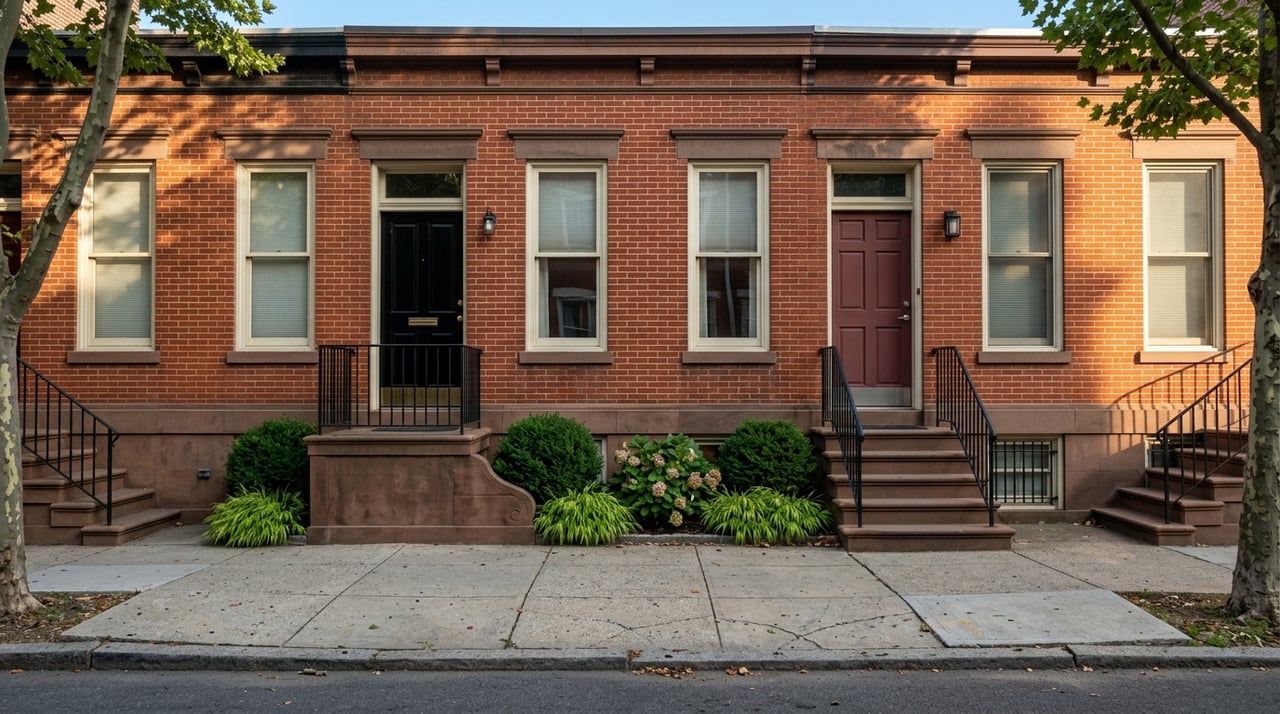
Clinton Hill’s architectural identity is a major part of what makes the neighborhood recognizable. The Clinton Hill Historic District was designated by the New York City Landmarks Preservation Commission in 1981, and the district includes a mix of neo-Grec and Gothic Revival residences along with Italianate brick and brownstone rowhouses.
According to the designation materials, Clinton Hill contains the largest concentration of intact Italianate rows in New York City. That helps explain why facade features are not just background charm here. They are central to how homes are seen, compared, and marketed.
Which Historic Features Stand Out
In Clinton Hill, exterior character often creates the first impression. Buyers tend to notice the elements that make a townhouse feel true to its period and consistent with the block.
Common details that contribute to that impression include:
- Brownstone and brick facades
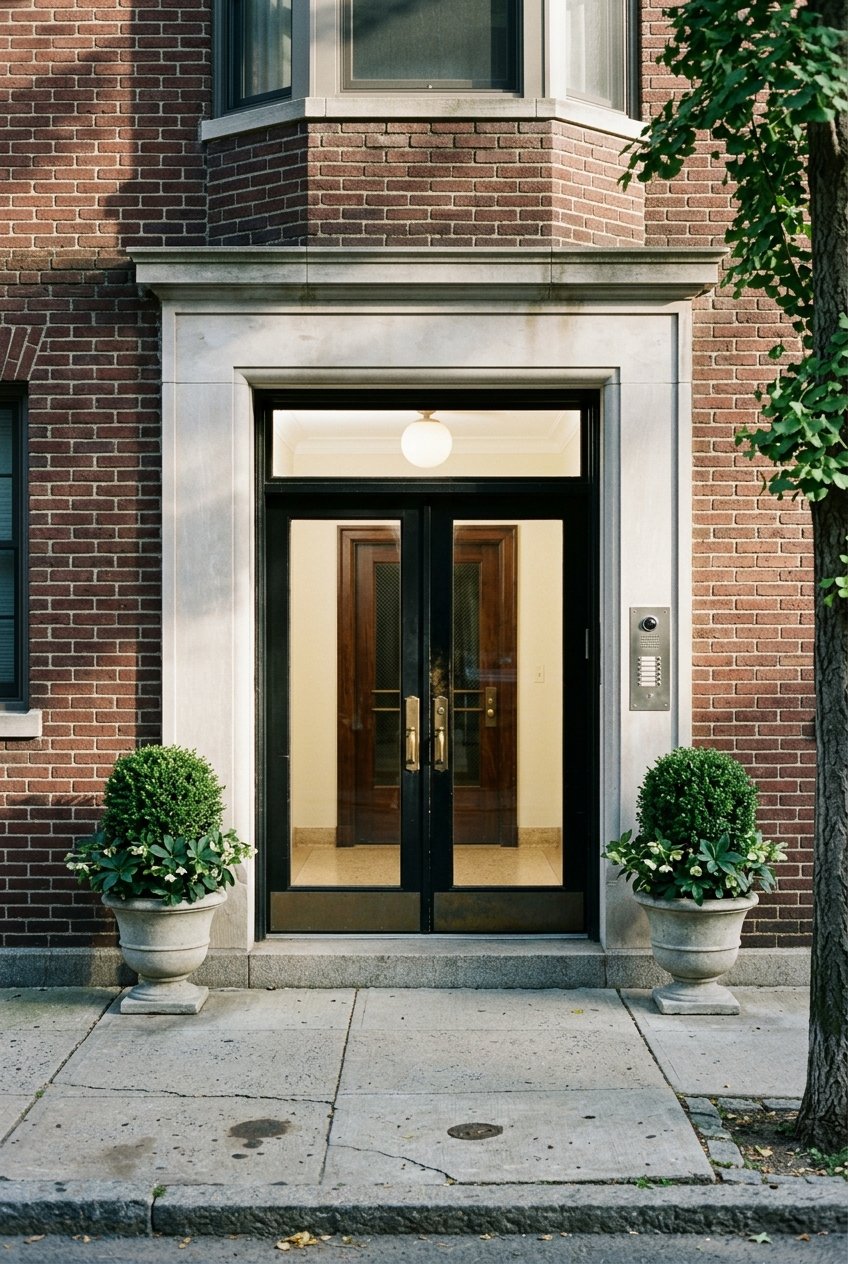
- Stoops and entry sequences
- Arched openings
- Bracketed cornices
- Lintels and sills
- Original window and door proportions
- Decorative masonry and brick molding
The Landmarks Preservation Commission treats these elements as meaningful parts of a building’s historic fabric. In practical terms, that means visible exterior details can influence both how a property is reviewed for alterations and how it is perceived in the market.
Interior Details Also Shape Value
Historic value is not limited to the facade. Interior features can also strengthen a home’s appeal when they support the overall story of authenticity and livability.
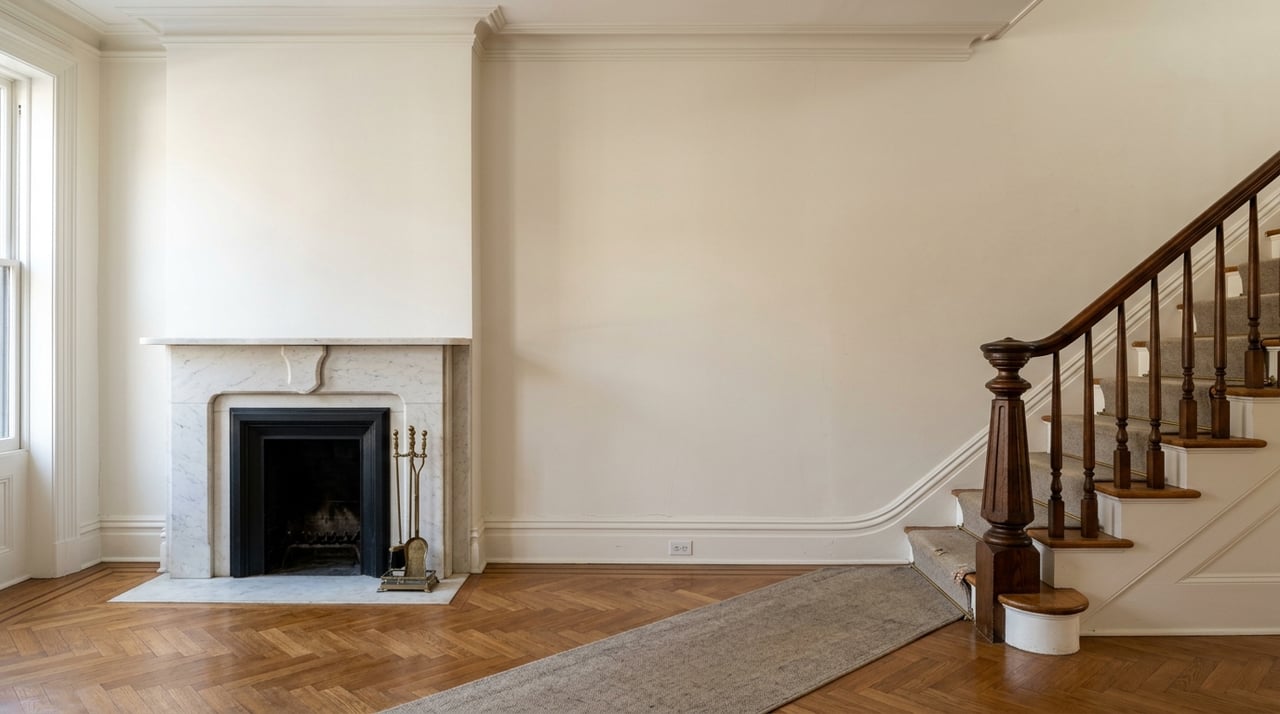
Fireplaces and staircases are two examples called out in appraisal-related materials. A fireplace can be recognized as an amenity, and staircases are part of how a property is described and understood. In a Clinton Hill townhouse, original moldings, a preserved stair hall, or period fireplace surrounds may help buyers feel that the home has retained its architectural integrity.
That does not mean every old feature adds value on its own. What matters more is whether the details feel cohesive, usable, and in good condition.
Authenticity Often Matters More Than Age
One of the biggest misconceptions in historic housing is that older automatically means more valuable. In reality, appraisers and buyers do not reward age for its own sake.
A home usually benefits more when original details are intact, well scaled, and appropriate to the building’s period. A heavily altered house may still be attractive, but if it has lost important proportions or visible craftsmanship, it may not generate the same response as a more carefully preserved property.
In other words, authenticity tends to matter more than nostalgia. Clinton Hill buyers often respond to homes where the original architecture still reads clearly, even if the kitchen, baths, and systems have been updated for modern living.
How Appraisers Look at Historic Character
Appraisers are required to reflect market value, condition, and marketability. They also have to analyze actual differences in quality and condition when comparing one property with another.
That is important in Clinton Hill because two homes with similar square footage may not compete in exactly the same way. One brownstone may have preserved moldings, a working fireplace, and a facade with strong original detail. Another may have deferred maintenance, altered proportions, or less functional interior flow. Even on the same block, those differences can affect buyer demand and value.
A reasonable takeaway is that historic character becomes meaningful when it is tied to condition and usability. Charm alone is not the whole story. Buyers are usually responding to a combination of visual appeal, maintenance level, and everyday function.
Historic District Status and Market Perception
Historic district status can influence value, but the effect is not uniform in every case. Research on New York City historic districts found that designation increased property values within districts outside Manhattan, and properties near district boundaries also saw gains, though the size of the effect varied by local redevelopment conditions.
For Clinton Hill, that supports what many owners and buyers already sense. Historic context can add market strength, but individual property condition still matters. A house benefits not just from being in a historic district, but from presenting well within that setting.
Why Exterior Details Carry Extra Weight
In Clinton Hill, exterior details often matter more than owners expect because they are both visual and regulatory. The designation report serves as the basis for future alteration review, so the facade is not just decorative. It is part of the framework that helps define what is appropriate for the building and the district.
That makes features like window proportions, masonry ornament, and cornices especially important. When those elements are preserved, they support the home’s architectural identity. When they are removed or replaced with mismatched alternatives, the property may lose some of the coherence that buyers notice right away.
What Owners Should Know Before Updating
If your home is in the historic district, many exterior changes require review by the Landmarks Preservation Commission. This can apply to front and rear facades, and even work that does not require a Department of Buildings permit may still require LPC approval.
Some ordinary repairs do not require a permit. Replacing broken glass or repainting to match the existing color are examples noted by LPC. But visible exterior changes are evaluated based on whether they are appropriate to the building and the district’s architectural and historical character.
For owners, that creates an important planning point. If you are considering improvements before a sale, you want to understand which changes preserve value and which may complicate timing, cost, or approvals.
The Best Update Strategy for Value
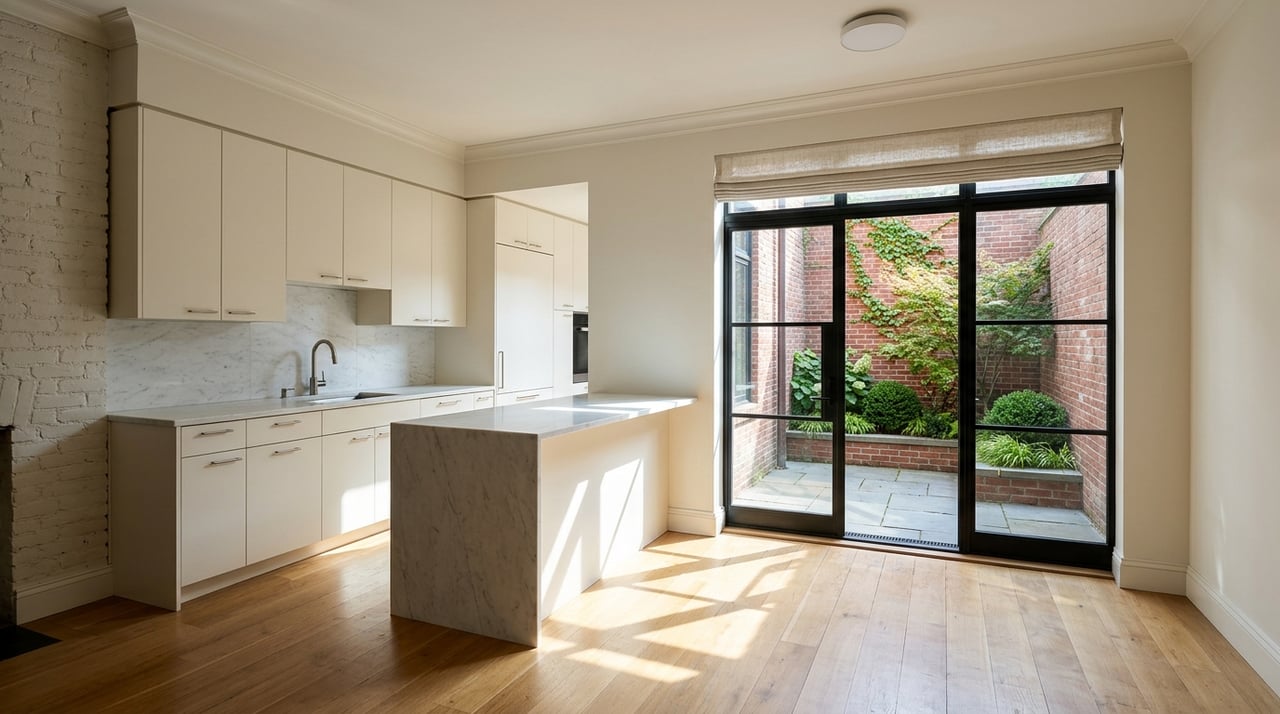
In many Clinton Hill homes, the strongest strategy is balance. Preserve the visible character-defining features, then modernize the areas buyers use every day.
That often means focusing on:
- Kitchens
- Bathrooms
- Mechanical systems
- Storage
- Insulation
- Lighting and functional layout improvements
This is not a formal valuation formula, but it is a practical approach supported by the way preservation review and appraisal logic work. Buyers tend to respond well when a home keeps its period character while also feeling comfortable and usable now.
What Sellers Can Highlight
If you are preparing to sell, details should be presented carefully and factually. In Clinton Hill, buyers often respond to architectural features that feel original, intact, and proportional to the house.
Useful terms may include brick molding, decorative masonry, historic fabric, and period details, as long as those descriptions are accurate. A strong listing strategy also helps buyers see how historic character and modern upgrades work together rather than compete with each other.
For that reason, presentation matters. Professional photography, floor plans, and a clear pricing strategy can help frame the home correctly in the market, especially when the property’s value depends in part on craftsmanship and architectural coherence that may not be captured by square footage alone.
What Buyers Should Watch For
If you are buying in Clinton Hill, it helps to look beyond surface charm. A beautifully detailed facade may be a real asset, but you should also consider condition, maintenance, and whether the home’s updates respect its original structure.
As you compare properties, pay attention to:
- Whether facade details appear intact and well maintained
- Whether windows and doors fit the home’s proportions
- Whether fireplaces, staircases, and trim feel original or thoughtfully preserved
- Whether renovated spaces support daily living without erasing character
- Whether deferred maintenance may affect cost after closing
The goal is not to find a perfect museum piece. It is to understand which details enhance long-term appeal and which homes combine character with solid functionality.
Why Local Expertise Matters
Historic housing is rarely valued by checklist alone. In Clinton Hill, the relationship between detail, condition, district rules, and buyer demand is nuanced.
That is why local market knowledge can make a real difference. Sellers need to know which improvements are likely to strengthen buyer response. Buyers need help separating true architectural value from cosmetic appeal. In both cases, neighborhood-specific guidance is often what turns attractive details into smart real estate decisions.
If you are thinking about selling or simply want to understand how your home’s historic features may influence pricing, marketing, and buyer response, the MINSKY | ABRISHAMI Team can provide a thoughtful, data-driven perspective tailored to Clinton Hill.
FAQs
How do historic details affect home value in Clinton Hill?
- Historic details can support value by improving buyer perception, marketability, and architectural coherence, especially when they are intact, well maintained, and paired with strong overall condition.
Which Clinton Hill features matter most to buyers?
- Buyers often notice facades, stoops, cornices, lintels, window proportions, decorative masonry, fireplaces, and staircases because these features help communicate period character and authenticity.
Does historic district status automatically raise a Clinton Hill home’s value?
- No. Historic district status can support value, but it does not guarantee a premium for every property. Condition, usability, and presentation still play a major role.
Do you need approval to change a historic home exterior in Clinton Hill?
- Many exterior changes in the historic district require review by the Landmarks Preservation Commission, including some work that does not require a Department of Buildings permit.
Should Clinton Hill sellers preserve old details or renovate before listing?
- In many cases, the best approach is to preserve visible character-defining features and update kitchens, baths, systems, storage, and comfort-related items that matter to today’s buyers.