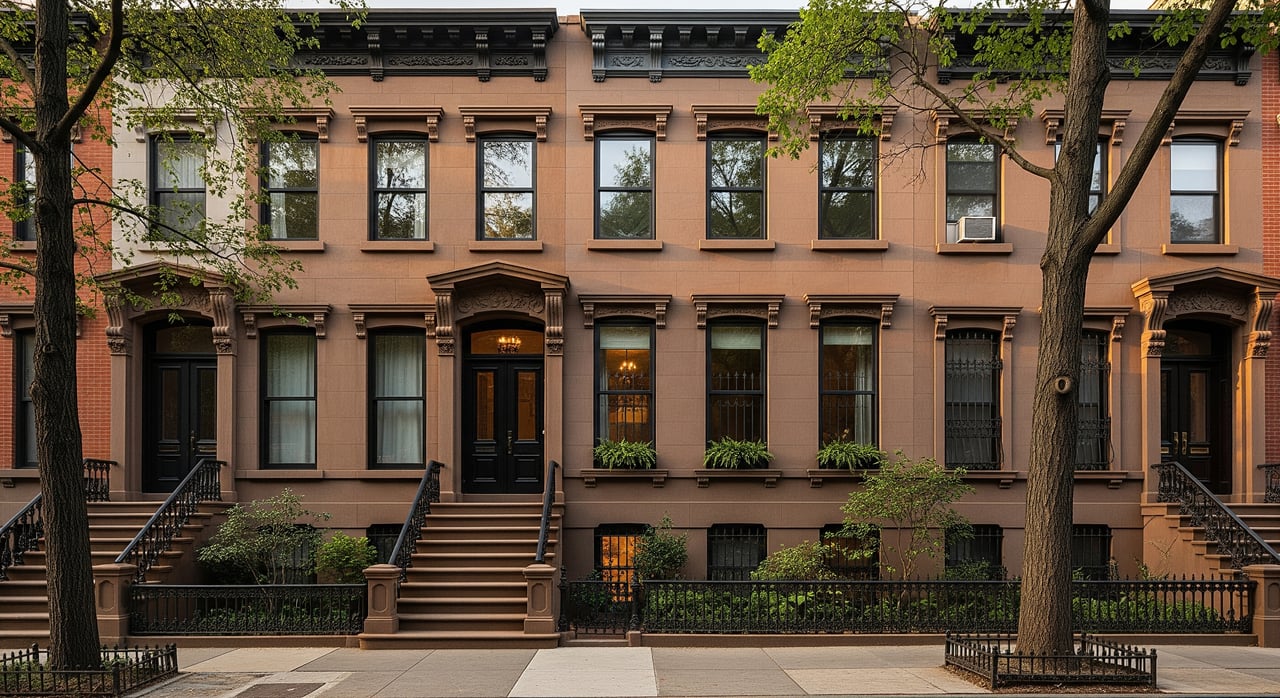
Thinking about swapping windows, freshening a stoop, or adding a roof deck in Clinton Hill? If your home sits in the Historic District, even small exterior changes can trigger city review. It is a lot to navigate when you just want the work done right and without costly surprises. In this guide, you will learn how landmark rules work, what projects need approval, how long the process can take, and what to do before you buy, sell, or renovate. Let’s dive in.
The rule that matters most
The single biggest principle is visibility. If your exterior work is visible from a public way like the street, sidewalk, or a park, the New York City Landmarks Preservation Commission (LPC) likely needs to approve it before you start. Interior work and exterior changes that are not visible from a public way are generally not under LPC jurisdiction. Painting most surfaces is typically not regulated, but cleaning masonry, repointing, or removing architectural elements often is.
Who regulates work in Clinton Hill
Clinton Hill’s Historic District is regulated by the NYC Landmarks Preservation Commission. LPC oversees designated districts and individual landmarks, and it uses designation reports to define boundaries and character-defining features.
The NYC Department of Buildings (DOB) issues building permits for many types of construction. DOB will not finalize many permits for landmarked properties until LPC approvals are in place when required. State and federal agencies, such as the New York State Historic Preservation Office and the National Park Service, may be relevant for tax incentives or properties listed on the National Register, but their programs do not replace local LPC review.
What usually needs LPC approval
Windows and doors
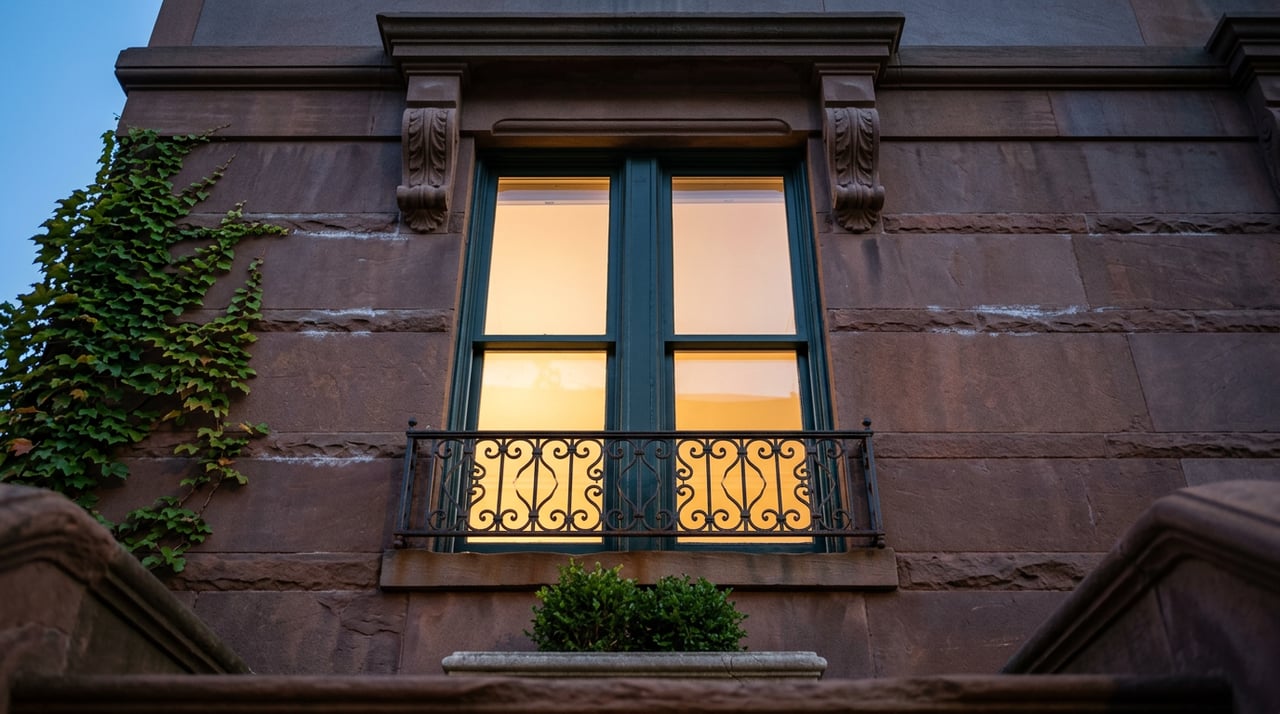
If you plan to alter or replace front-facing windows or doors that are visible from the street, expect LPC review. LPC typically favors in-kind repair or high-quality replacement that matches original material, profiles, muntin patterns, and trim. Vinyl units are frequently disfavored on primary elevations.
Masonry and façades
Cleaning, repointing, patching, or removing features from a visible masonry façade requires oversight. Mortar composition and joint profiles matter, and abrasive cleaning is often discouraged. Replacing or restoring cornices will be examined for accuracy and materials.
Stoops, porches, and fences
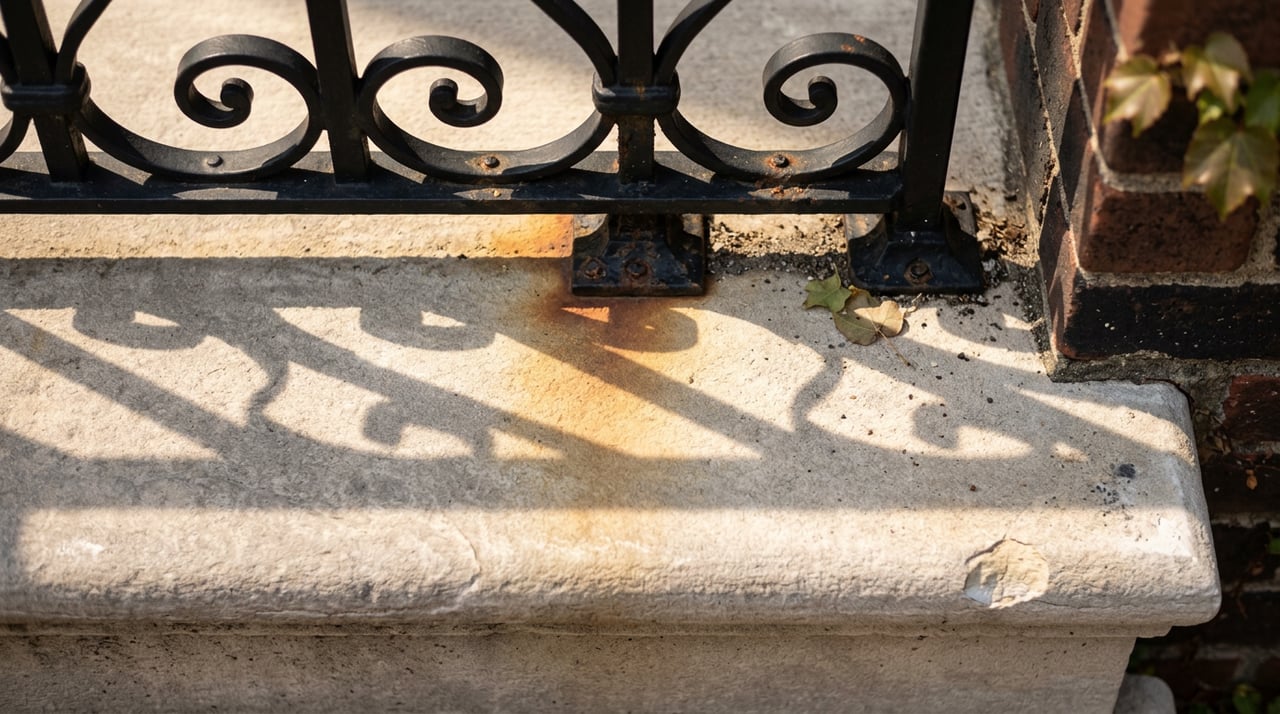
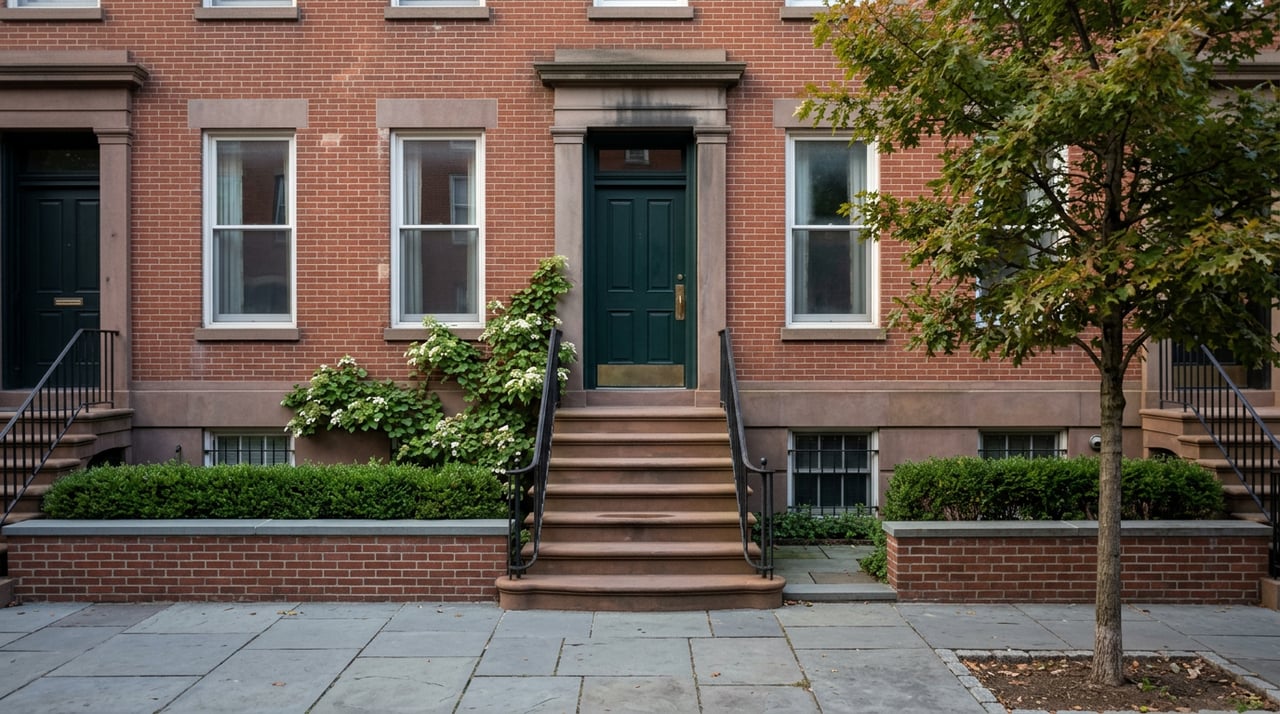
Repairing or rebuilding stoops, porches, railings, and front-yard fences that face the street generally needs approval. Restoration in-kind is preferred. Replacements that change materials or style require strong justification.
Rooftop additions and equipment
Rooftop additions or bulkheads are closely reviewed for visibility. Designs that are set back and minimally visible are more likely to be considered. Visible additions and certain equipment can be denied. Solar panels may be allowed when low-profile and not visible from the public way, but approvals depend on block conditions and sightlines.
Signage and mechanicals
Installing new signage or mechanical equipment visible from the street, including meters or condensers on the front façade, usually requires LPC review.
Demolition and significant elements
Partial or full demolition of a contributing building or removal of significant architectural features requires Commission-level scrutiny.
What often does not need LPC approval
- Interior renovations that do not change the exterior appearance visible from a public way.
- Most rear-yard work that is not visible from a public way. In tighter blocks, rear changes can be visible and then require review.
- Routine maintenance done in-kind, such as replacing a few roof slates in the same material. Staff-level permits may still be advisable.
- Painting most surfaces. Cleaning painted masonry or removing paint from masonry may need review.
- Replacing non-visible, interior-only systems like plumbing or electrical.
Always confirm with LPC staff before you proceed. Visibility can be tricky in corner or mid-block conditions.
How LPC approvals work
Approval types
- Certificate of Appropriateness (COA): Used for major changes, demolition, or projects that staff cannot approve. These may require a public hearing and full Commission review.
- Certificate of No Effect (CNE): Issued when LPC staff finds the work will not affect historic features. Generally faster and handled by staff.
- Permit for Minor Work (PMW): Covers small repairs and routine maintenance that meet LPC guidelines and can be approved at staff level.
Procedures and terminology can evolve, so it is smart to check current LPC guidance before submitting.
What to submit
- Clear photos showing existing conditions of your building and the block context.
- Measured drawings and elevations of proposed changes.
- Material samples and product data, such as window profiles, mortar analysis, or roofing specs.
- A brief narrative describing scope, construction methods, and how the design respects historic character.
- Historical documentation for restorative work, like old photos or records, to support accuracy.
Timelines to expect
- Staff-level decisions for CNE or PMW can take a few weeks to a couple months, depending on completeness and workload.
- COA applications that need hearings may take several months from filing to decision, often 2 to 6 months. Complex projects can take longer.
- DOB permits follow LPC approvals and have separate timelines based on permit type and code review.
Build time into your plan for design, LPC submission, possible revisions, hearing schedules when required, and DOB permitting. Early consultation with LPC staff or an architect experienced in LPC work can shorten cycles.
Clinton Hill planning tips
Before you buy or list
- Confirm whether a property is within the Clinton Hill Historic District by checking LPC maps and the designation report.
- Ask for records of prior LPC approvals, DOB permits, and any outstanding violations.
- Have an architect or contractor with LPC experience review your intended changes and advise on costs and timing.
When planning renovations
- Favor repair and preservation over replacement. In-kind work often moves faster and preserves original character.
- Prepare detailed drawings and material samples. Lack of detail is a common cause of delay.
- Choose historically appropriate materials where possible. They tend to reduce review friction and protect resale value.
If work was done without approval
- Contact LPC and DOB promptly and seek retroactive approval where possible.
- Document existing conditions and gather invoices and permits from contractors to support your application.
- Understand that enforcement can include stop-work orders, civil penalties, and a requirement to restore original conditions.
Financial incentives and limits
Federal historic rehabilitation tax credits are primarily designed for income-producing properties that are listed on the National Register and undergo certified rehabilitation. Owner-occupied single-family homes usually do not qualify. New York State and local programs sometimes offer assistance for historic rehabilitation, but eligibility varies. LPC typically does not provide renovation grants. Some local preservation nonprofits may offer guidance or small façade grants. You should verify current programs with the New York State Historic Preservation Office and local organizations.
How violations affect a sale
Unpermitted exterior changes that are visible from the public way can complicate a transaction. Lenders or insurers may require compliance before closing. Buyers may ask for remediation or a price adjustment if open violations or noncompliant work is discovered. Municipal violations appear in city records and can delay financing, sale, or refinancing. Sellers should disclose known issues and work with counsel and design professionals to seek retroactive approvals where possible. There is no guarantee of approval after the fact, and penalties may apply.
A simple playbook for owners
- Confirm status
- Verify whether your property sits within the Historic District and identify character-defining elements on your façade.
- Define scope
- Decide what you want to change and whether any part of it will be visible from a public way.
- Build your team
- Engage an architect or contractor with LPC experience. For complex restoration, consider a preservation consultant or materials conservator.
- Prepare submission
- Assemble photos, drawings, product data, and a short narrative. Use historic documentation when restoring details.
- File with LPC
- Choose the correct approval path: PMW or CNE for staff-level work, or COA for larger changes and hearings.
- Coordinate DOB
- After LPC approval, pursue DOB permits. Align project schedules with both agencies’ timelines.
- Execute and document
- Build to the approved plans and keep records. If field conditions require changes, consult your team before deviating.
- For sellers
- Audit your property for prior unpermitted exterior work. Resolve or disclose issues early to avoid surprises during contract or underwriting.
When you plan carefully and document well, you reduce risk, protect your property’s character, and keep your project on track.
Ready to talk through a specific Clinton Hill townhouse or brownstone? For a discreet assessment of timing, approvals, and market impact, connect with the MINSKY | ABRISHAMI Team for local guidance tailored to your goals.
FAQs
Do I need LPC approval to replace front windows in the Clinton Hill Historic District?
- Yes, if the windows are visible from the street, LPC generally requires in-kind repair or wood replacements that match original profiles, with staff-level approvals possible for sympathetic work.
Can I add a rooftop deck or addition on a Clinton Hill landmarked home?
- Possibly, but LPC regulates visibility; additions often must be set back and minimally visible, and visible rooftop bulkheads or structures are frequently denied.
Does painting my Clinton Hill brownstone façade require permission?
- Painting most surfaces is typically not regulated, but cleaning masonry, removing paint from masonry, or abrasive methods usually require LPC review and may be discouraged.
What happens if work was done without LPC approval in the Historic District?
- LPC and DOB can issue violations or stop-work orders and may require restoration; retroactive approvals are sometimes possible but are not guaranteed and can carry penalties.
Are there historic tax credits for owner-occupied Clinton Hill brownstones?
- Federal and state historic tax credits primarily target income-producing properties or certified rehabilitations; owner-occupied single-family homes usually have limited access and should verify eligibility with state and federal agencies.
How long do LPC approvals take for Clinton Hill projects?
- Staff-level reviews often take a few weeks to a couple months, while Certificate of Appropriateness applications that require hearings commonly take 2 to 6 months, with complex cases taking longer.