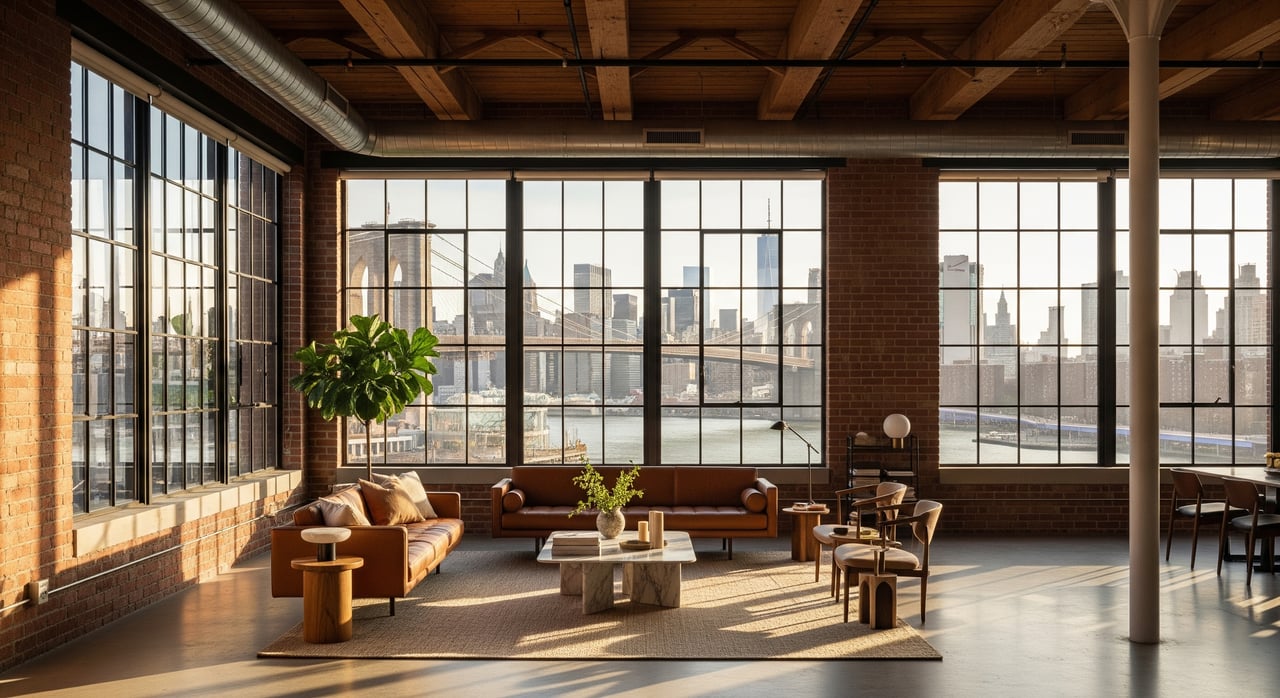
Is a “loft condo” in DUMBO just a cool look or a specific type of home? If you are eyeing those brick-and-timber spaces with giant windows, it helps to know what the term really means. You want the character and scale of a loft, but you also need a legal, financeable condominium that will hold value.
This guide breaks down what “loft” and “condo” each mean in New York City, how they combine in DUMBO, and the due diligence you should do before you buy or sell. You will learn how to verify legal status, what to expect in historic buildings, and which inspections and documents matter most. Let’s dive in.
What makes a loft a loft
When people say “loft,” they usually mean a set of physical features. Think large, open floor plans, high ceilings that often rise above 10 to 12 feet, oversized industrial-style windows, and exposed materials like brick, beams, columns or ductwork. Bedrooms may be partially enclosed, and interior walls are often minimal.
You will hear two common categories:
- Hard lofts: Authentic spaces converted from former industrial or warehouse buildings. Expect historic fabric, large windows, and timber or steel structure.
- Soft lofts: Newer buildings or conversions that are purpose-built to mimic the look and feel of a loft. You get open plans and higher ceilings, with fewer historic structural elements.
The key is that “loft” describes the look, scale, and layout. It does not tell you anything about the legal status of the unit.
What a condo means in NYC
A condominium is a form of ownership. You own your individual unit and a percentage of the building’s common elements. A condo is governed by a declaration, bylaws, and a board or homeowners association that sets rules and manages building finances.
This differs from a co-op, where you own shares in a corporation and hold a proprietary lease for your apartment. Rules, approvals, and financing work differently. In general, condos are more flexible and often easier to finance than co-ops, but the building’s legal compliance and financial health still matter to lenders.
So what is a “loft condo”
In common usage, a “loft condo” is a condominium unit that is built or marketed to loft-style specifications. That can mean two things:
- A true converted industrial building that was legally subdivided and sold as condos.
- A modern condominium designed to deliver the loft aesthetic and scale.
Important: “Loft” is not a legal property type. The unit’s legal residential status comes from zoning, the building’s certificate of occupancy, and approvals by the Department of Buildings. A space can look like a loft and still not be a legal home. Always verify.
Why DUMBO loves lofts
DUMBO, which stands for Down Under the Manhattan Bridge Overpass, grew up as a waterfront industrial and manufacturing district. Many of its brick-and-timber or brick-and-iron factories and warehouses still stand.
That history created one of Brooklyn’s highest concentrations of authentic loft conversions. Over the past few decades, rezoning and redevelopment brought a blend of luxury condos, hard-loft conversions, and modern soft-loft buildings. With big windows, high ceilings, and river or skyline views, DUMBO lofts often command premium prices relative to many other Brooklyn neighborhoods.
Buyers here tend to prioritize light, volume, and character. They also accept layouts that differ from traditional apartments, like open bedrooms or flexible partitions.
Legal status and compliance
Before you fall in love with a space, confirm that it is legally recognized as a residential condo. This protects your financing, insurance, and resale.
Certificates of occupancy
A certificate of occupancy, or C of O, shows the building’s approved use and occupancy type. You want the building and unit to be listed for residential use consistent with a condominium. If a unit is used as a residence without the correct C of O, you may face financing hurdles, insurance gaps, or title issues.
Also check for open permits and Department of Buildings violations. Outstanding violations can delay closings and may need to be resolved before a lender will approve your loan.
Loft Law basics
New York State’s Loft Law historically addressed how certain industrial buildings became legal residences. Depending on the building and timing of conversion, the law can affect tenant rights, required safety upgrades, and legalization steps. Not every building is covered. The important point is to confirm that any past conversion was completed legally and that required life-safety systems and egress were installed.
Landmark and zoning factors
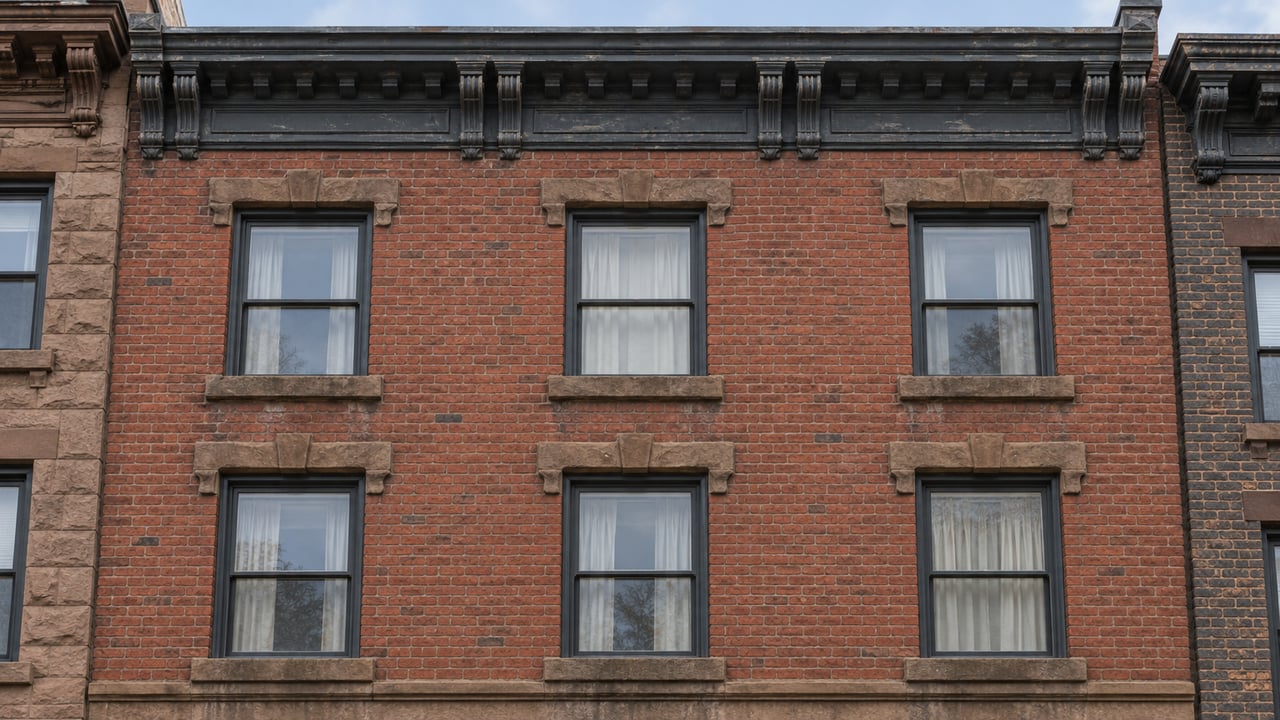
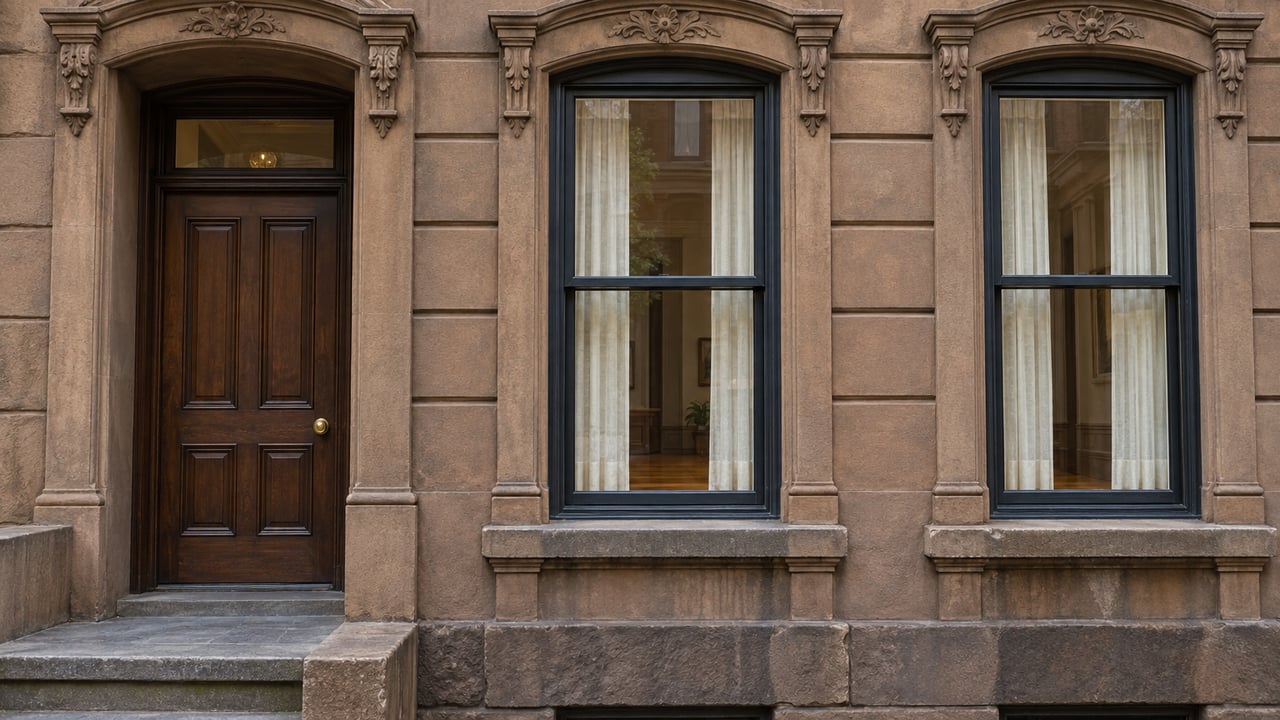
Parts of DUMBO sit within historic districts or have landmark protections. Exterior changes often require approval, and window replacements or facade work may be restricted. Local zoning and any special waterfront or mixed-use districts also shape what uses are permitted and how conversions can proceed.
If you plan to renovate, understand what is allowed before you buy. While landmark controls tend to focus on exteriors, some interiors are protected. When in doubt, verify what approvals are needed.
Financing and insurance
Condos are typically easier to finance than co-ops, but lenders still look closely at converted industrial buildings. Appraisers want solid comparable sales, and underwriters will review the building’s legal status, reserve levels, and any open violations.
Insurance can also differ for buildings with large open plans or historic systems. Confirm what the condo’s master policy covers and where your individual unit policy begins. Ask specifically about sprinklers, alarm systems, and any unique building features that may affect coverage or premiums.
Buyer due diligence checklist
Use this list before you make an offer and again before you close:
- Confirm legal use: Verify the C of O shows legal residential use for the building and unit. Review Department of Buildings records for permits, violations, and any legalization history.
- Review condo documents: Read the declaration, bylaws, recent board minutes, budget, reserve studies, and the last 12 months of financials. Ask about special assessments or planned capital projects.
- Inspect the unit and building: Hire a licensed inspector who knows industrial conversions. Pay close attention to windows, envelopes, moisture, HVAC, plumbing, and electrical systems.
- Fire and life safety: Confirm sprinklers, alarms, and egress routes. Large open plans may require specific safety measures.
- House rules and use: Get the building’s house rules, pet policy, storage and parking allocations, and any short-term rental rules.
- Financing readiness: Work with lenders experienced in loft-style condos. Discuss appraisal comps and any documents they will require from the condo board.
Seller prep checklist
Position your DUMBO loft condo to sell efficiently and at full value:
- Gather legal documentation: Provide a clean C of O summary, recent energy bills, and maintenance or common charge statements.
- Condo governance files: Compile bylaws, meeting minutes, reserve studies, budgets, and proof of recent building upgrades.
- Disclose issues early: Share any known violations, open permits, or past legalization history. Transparency helps buyers and lenders move faster.
- Consider a pre-listing inspection: Find and address repair items that could slow a deal or trigger price negotiations.
Everyday livability tradeoffs
Lofts offer volume and character, but they live differently than traditional apartments. Plan for the following:
- Temperature control: Large spaces can be harder to heat and cool evenly. Zoned HVAC or strategic upgrades can help.
- Sound management: Open plans and industrial structures can transmit noise. Area rugs, acoustic panels, and thoughtful furniture placement make a difference.
- Light and privacy: Big windows bring great light and views. You may want tailored window treatments for privacy and solar control.
- Storage planning: Some lofts have fewer built-in closets. Custom millwork can add storage without sacrificing openness.
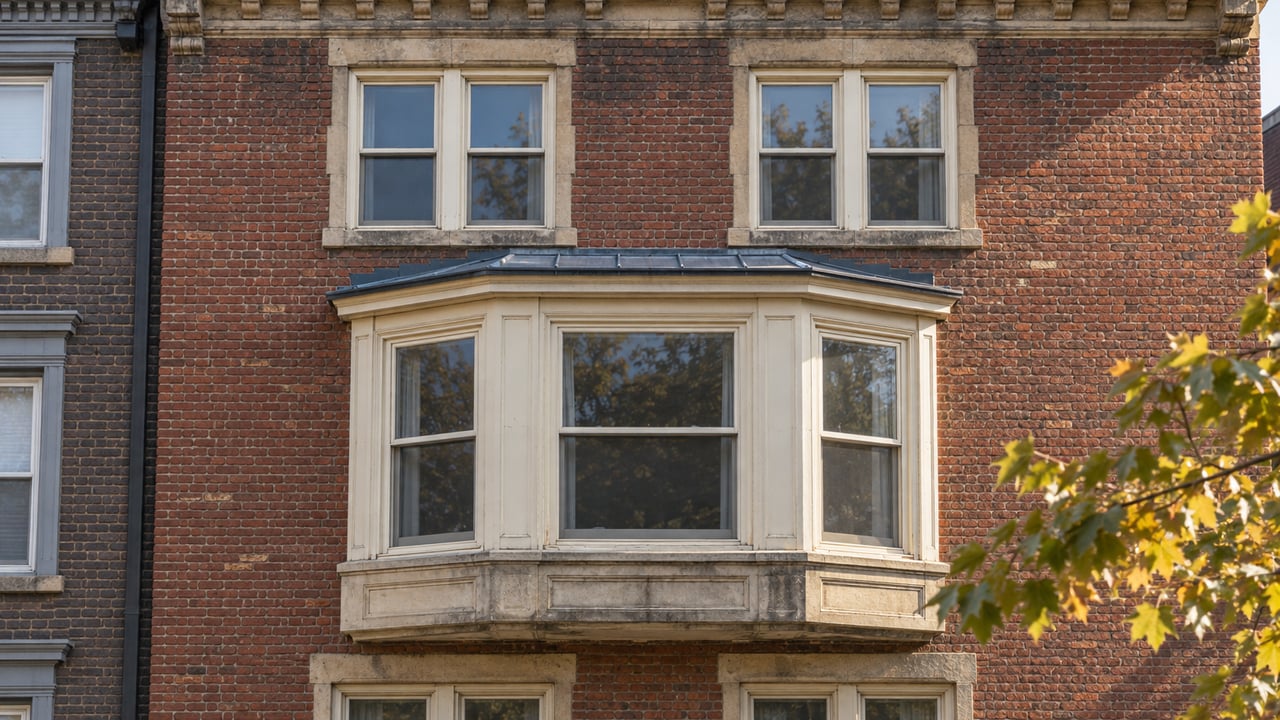
- Window and facade care: Historic window systems and masonry may require ongoing maintenance. In landmark areas, replacement or exterior work may need approvals.
Red flags and questions to ask
- Does the C of O match the unit’s current use and layout?
- Are there open DOB violations or permits that could delay closing?
- Has the building completed all required upgrades tied to its conversion?
- What capital projects are planned, and how will they be funded?
- Are there any restrictions tied to landmark status that affect future renovations?
Work with a local expert
In DUMBO, the difference between a beautiful loft and a sound investment comes down to documentation, building health, and the right team. A careful review of the C of O, DOB records, condo financials, and life-safety systems will protect your purchase or sale.
If you are exploring a DUMBO loft condo, we can help you verify legal status, prepare a clean package for lenders, and position your listing with premium presentation. For tailored guidance, connect with the MINSKY | ABRISHAMI Team.
FAQs
What defines a DUMBO loft condo?
- A condominium unit with loft-style features like open plans, high ceilings, and large industrial windows, either from an authentic conversion or a newer soft-loft design.
How do I verify a loft is legal to live in?
- Confirm the building’s certificate of occupancy shows residential use, review Department of Buildings records, and ensure the condo’s offering documents reflect legal residential status.
Are there financing challenges with loft condos?
- Lenders often request proof of legal conversion, solid comparable sales, and healthy condo finances, so be ready with documentation from the board and DOB.
What inspections should I order for a loft condo?
- A general home inspection plus focus on windows, envelope, HVAC, plumbing, electrical, and fire-life-safety systems, ideally by an inspector experienced with industrial conversions.
Does landmark status affect DUMBO renovations?
- Landmark rules usually govern exteriors, including windows and facades, and some interiors may be protected, so verify the approvals needed before planning work.
What hidden costs should DUMBO loft buyers expect?
- Possible building-wide upgrades tied to legalization, higher heating or cooling costs for large spaces, window maintenance, and potential assessments for facade or systems work.