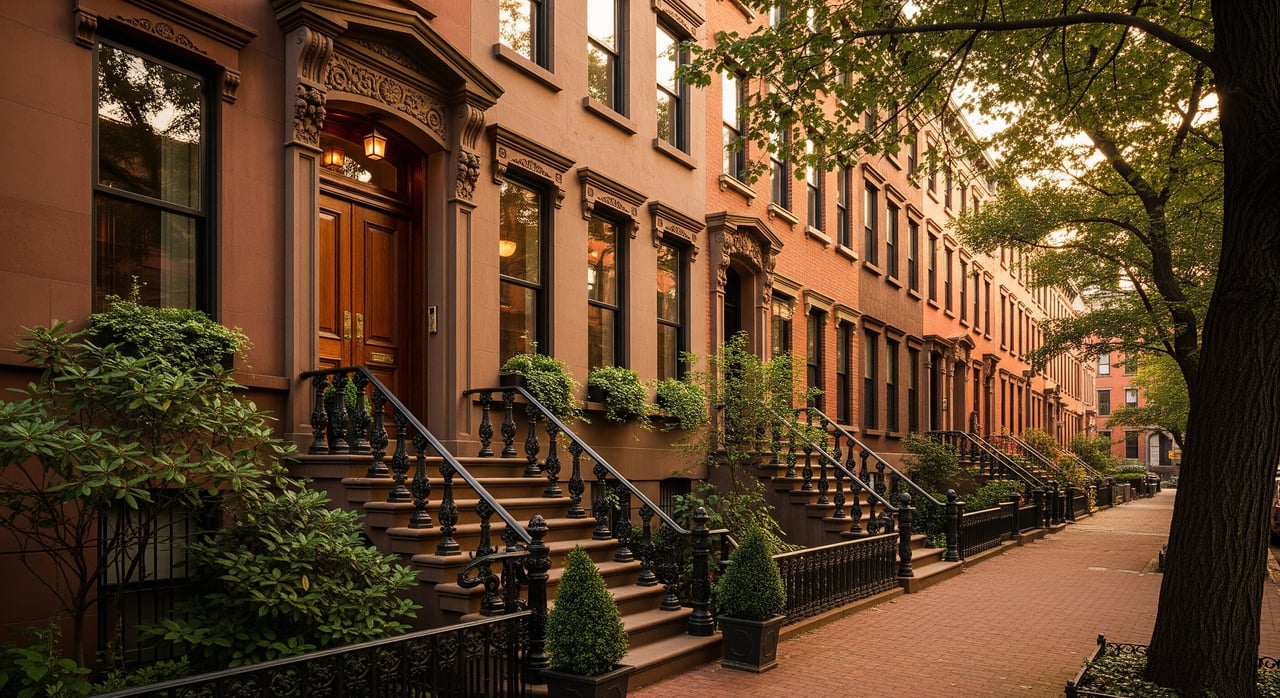
If you are drawn to Fort Greene’s tree-lined blocks and classic brownstones, you are not alone. Townhouse inventory here is limited, and every property tells a different story about width, condition, and historic character. Whether you plan to sell in the next 12 to 24 months or you are evaluating a purchase, understanding what truly drives value can save you time and help you make smarter decisions. This guide breaks down the market context, value drivers, cross-neighborhood comparisons, and the due diligence you should not skip. Let’s dive in.
Fort Greene market at a glance
Fort Greene is a historically built neighborhood with mid-19th to early-20th-century rowhouses and brownstones. Much of the area sits within a designated historic district, which adds prestige and also shapes renovation options under Landmarks oversight. Inventory is tight, turnover is low, and listings can vary from narrow brownstones to wider townhouses and 2 to 4 unit walk-ups.
Because supply is constrained, well-presented homes with strong attributes often draw multiple offers in active periods. In slower cycles, buyers gain leverage and negotiation room. Since 2021, the broader townhouse market saw a surge followed by normalization as mortgage rates rose; Fort Greene followed that pattern but remained desirable given its location, transit, and cultural amenities.
Who buys and sells here
You will typically see families and professionals who value space, transit to Manhattan, and the neighborhood’s historic fabric and cultural institutions. Sellers are often long-term owners of single-family homes, multi-family owners converting to single-family, estates, and the occasional investor. Two- and three-family properties attract both owner-occupiers who want rental income and investors focused on cash flow.
What drives townhouse value
Width, depth and outdoor space
Width matters. Wider townhouses, especially those 20 feet or more, command a premium over standard 16 to 18 foot brownstones, all else equal. Lot depth and garden size also move price, especially when they create larger rear yards or potential for compliant additions. Private outdoor space, from gardens to legal roof decks, is a major positive for many buyers.
Legal configuration and basements
Legal use affects both financing and valuation. Single-family houses often trade at a premium for end users, while two- and three-family homes appeal to buyers balancing lifestyle with rental income. Finished basements add value when they are permitted, dry, and functional. Unpermitted or non-compliant conversions tend to be discounted and can complicate lending.
Condition and systems
Turnkey properties with updated mechanicals, modern kitchens and baths, and sound structural elements typically earn the highest price per square foot. Buyers closely evaluate HVAC, electrical capacity, plumbing, roof, and foundation. Cosmetic updates with solid systems can still perform well, while heavy-rehab listings need to be priced to reflect renovation costs and permitting risk.
Historic details and Landmark rules
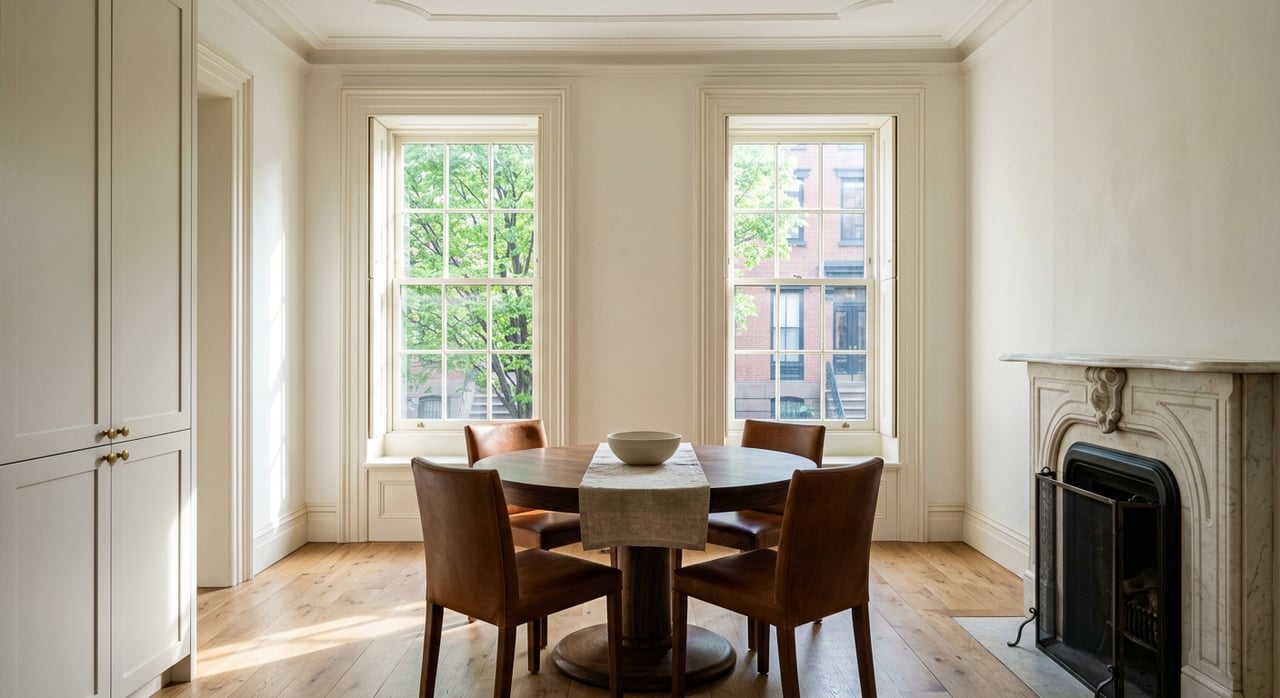
Original details such as staircases, mantels, and moldings increase appeal, especially when paired with modernized systems. If the home is within the Fort Greene Historic District, exterior changes and some interior work will be subject to the NYC Landmarks Preservation Commission. This oversight enhances neighborhood character but can add time and cost to renovations.
Block and location premiums
Block-to-block differences are real. A beautifully preserved row near Fort Greene Park, or a block with consistent facades and light, can trade at a premium to busier or more mixed-use stretches. Proximity to Fort Greene Park, BAM, retail and dining corridors, and major transit like Atlantic Terminal has measurable value for many buyers. School access and nearby private schools often shape demand for family-oriented purchasers, though pricing always comes back to the specifics of the property and block.
How Fort Greene compares nearby
Fort Greene often sits near the top tier of Brooklyn townhouse markets, though exact values depend on property attributes and block quality:
- Park Slope and Boerum Hill generally rank among the most expensive brownstone neighborhoods for comparable single-family homes, driven by strong family demand and limited supply.
- Carroll Gardens and Boerum Hill command premium pricing with boutique retail and consistent housing stock. Fort Greene can trade slightly below the top blocks here, but best-in-class Fort Greene blocks can rival them.
- Prospect Heights benefits from proximity to Barclays Center, Atlantic Terminal, and cultural venues. Homes near Prospect Park and prime retail corridors can achieve premiums.
- Clinton Hill shares Fort Greene’s historic character and can price similarly depending on block and proximity to institutional anchors.
- Bedford-Stuyvesant is broad and varied. Certain landmarked areas have appreciated quickly, while other sections remain more affordable relative to Fort Greene.
Across all of these neighborhoods, supply is tight and pricing can be very sensitive to a small number of recent sales. Always compare like with like.
Smart pricing and comp selection
When valuing a Fort Greene townhouse, prioritize comps within a few blocks and within the last 6 to 12 months. Match on frontage width, lot depth, number of units, level of renovation, and quality of outdoor space. If possible, consider both price per built square foot and, for wider properties, price per frontage foot as a cross-check.
Avoid over-weighting single outliers or aspirational list prices. Verify closed-sale data with public records such as NYC ACRIS. For a complete picture, align public records with your agent’s comp set and, if applicable, data from professional property reports. In a constrained market, conservative, evidence-based pricing reduces time on market and protects your negotiating position.
Buyer due diligence checklist
Complete the following steps before you waive contingencies or finalize pricing:
- Title and liens: Search deeds, mortgages, and recorded instruments on NYC ACRIS.
- Permits and violations: Review job filings, complaints, and open violations with the NYC Department of Buildings.
- Landmark status: Confirm historic district boundaries and prior approvals with the NYC Landmarks Preservation Commission.
- Taxes and assessments: Review recent bills and property class through the NYC Department of Finance to estimate annual carrying costs.
- Legal use and occupancy: Verify certificates, unit count, and any conversions. Illegal or unpermitted work introduces risk and may limit financing.
- Building condition: Commission a thorough inspection that evaluates structure, roof, foundation, moisture, electrical capacity, plumbing, and HVAC.
- Rental history (for multi-family): Obtain rent rolls, leases, and security deposit records, and confirm whether units are regulated or market-rate.
- Survey and boundaries: Confirm lot lines, fences, and potential encroachments to avoid neighbor disputes.
Financing, taxes and closing costs
Plan ahead for the financing structure that fits your target. Single-family purchases often use conventional mortgages; higher price points may require jumbo loans with stricter underwriting and larger down payments. Buyers planning substantial renovations can explore renovation mortgages or construction loans, depending on lender appetite and project scope.
Budget for transaction taxes and closing costs. New York State’s mansion tax applies to residential purchases over $1,000,000, scaled by price tier. City and state transfer taxes and recording fees apply in many transactions as well. Property taxes vary by assessment class and exemptions; confirm current figures with your attorney, lender, and the NYC Department of Finance.
If you are buying a two- or three-family for partial rental income, confirm the lender’s underwriting treatment. Owner-occupied versus investor loans can differ on rates, reserves, and income calculations.
Seller prep timeline
If you are 12 to 24 months out, a thoughtful plan can add meaningful value.
- 12–18 months: Consult an experienced local team on pricing strategy and scope of work. Resolve open violations if practical and gather documentation for past permitted work.
- 6–9 months: Make targeted improvements with strong ROI, such as addressing moisture, updating a primary bath or kitchen surfaces, refreshing paint, and improving lighting. Evaluate whether legalizing a basement or unit is achievable and worth the cost.
- Pre-list: Prepare professional floor plans, staging or virtual staging, and high-quality photography and video to showcase the parlor level and outdoor spaces. Clear clutter and maximize light.
- Pricing and launch: Use a comp set that matches width, unit count, and condition. In low-inventory markets, disciplined pricing and weekly reporting provide alignment and keep the strategy responsive to buyer feedback.
Showings: what buyers scrutinize
Buyers will take a close look at basements for signs of moisture, efflorescence, or drainage issues. Electrical service capacity, HVAC age, and plumbing condition frequently drive renegotiations if systems need upgrades. Roof condition and the feasibility of a legal roof deck are high-interest items. For multi-family layouts, check egress, fire safety, and compliance documentation.
Putting it all together
In Fort Greene, value is a mix of structure, systems, and setting. Width, legal configuration, condition, and outdoor space create the core valuation framework. Block quality, proximity to the park and cultural anchors, and historic district status refine the number. For buyers, careful due diligence protects long-term value. For sellers, focused preparation and premium presentation can unlock demand in a low-supply market.
If you are considering a sale or purchase, a data-driven plan and polished execution make the difference. For measured guidance grounded in local experience, connect with the MINSKY | ABRISHAMI Team.
FAQs
Are Fort Greene townhouses a better value than Park Slope?
- They can be, depending on block and property specifics; Fort Greene often trades slightly below top Park Slope blocks, but best-in-class Fort Greene properties can rival them when width, condition, and location align.
How does Landmark status affect renovations in Fort Greene?
- If the home is within the Fort Greene Historic District, the Landmarks Preservation Commission reviews certain work, which preserves character but can add time, documentation, and cost to exterior and some interior changes.
How much does a legal roof deck add to value?
- Value impact varies by property; a permitted, well-executed roof deck improves marketability and effective living area, but it must be structurally feasible and compliant to be counted by buyers and lenders.
Should I legalize a basement apartment before selling?
- Often yes, if permits are attainable and the cost is reasonable; legalizing reduces buyer risk and financing friction, though you should compare expected price uplift to total legalization costs.
What timeline should I expect to sell a Fort Greene townhouse?
- Timelines vary with pricing strategy, condition, and market tone; in low-inventory periods, well-presented homes can move faster, while overpricing tends to extend days on market and increase the chance of reductions.