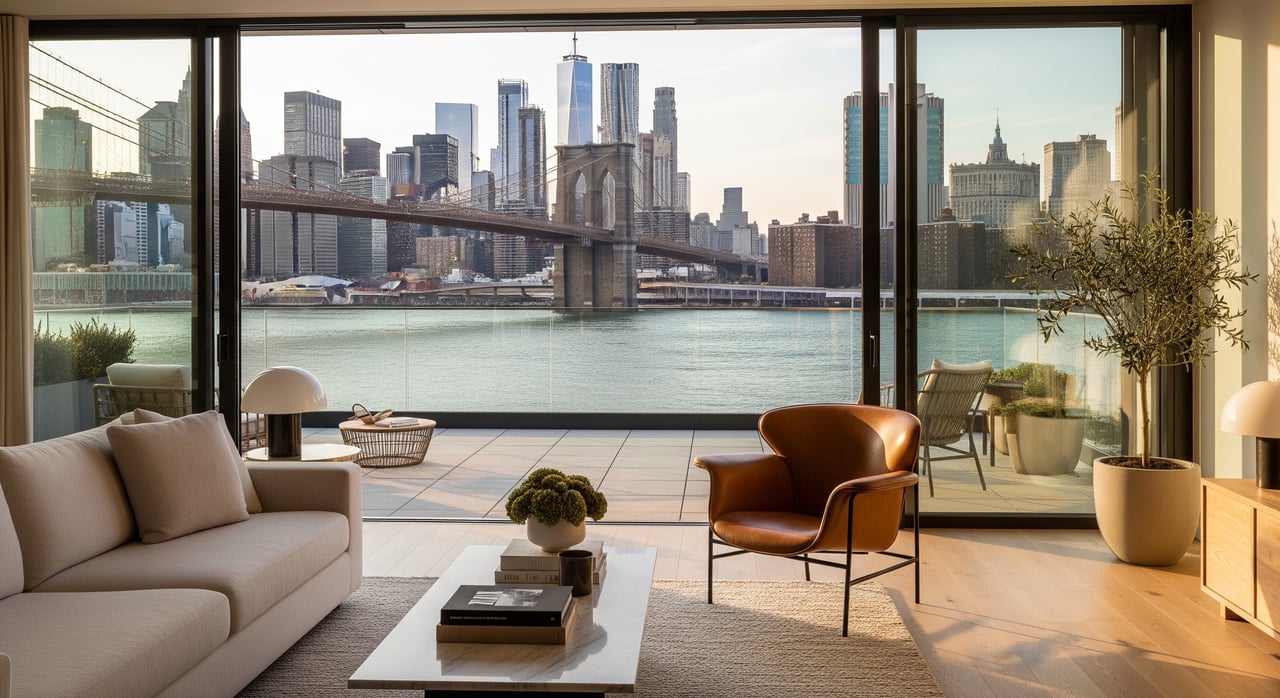
Is the DUMBO waterfront as effortless as it looks on Instagram, or is there more behind those cobblestones and skyline views? If you are weighing a move from Manhattan or exploring Brooklyn’s waterfront, you likely want a clear picture of day-to-day life, not just the highlight reel. In this guide, you will get a realistic look at homes, commute options, parks, conveniences, and the trade-offs that come with living between the Brooklyn and Manhattan Bridges. Let’s dive in.
The setting: bridges, river, skyline
Where DUMBO sits
DUMBO means “Down Under the Manhattan Bridge Overpass.” You sit at the northwest edge of Brooklyn between the Manhattan and Brooklyn Bridges, directly across the East River from Lower Manhattan. The neighborhood is compact and walkable, with the riverfront and Brooklyn Bridge Park on one side and loft blocks a few streets inland.
Historic district character
Many streets fall within the DUMBO Historic District, where brick-and-timber warehouses were preserved and adapted for modern use. You see original masonry, steel details, and large industrial windows that define the look. It is a design-forward area with a strong creative legacy, which attracts visitors and keeps the streets lively.
Homes: what loft living really feels like
Converted warehouses and true lofts
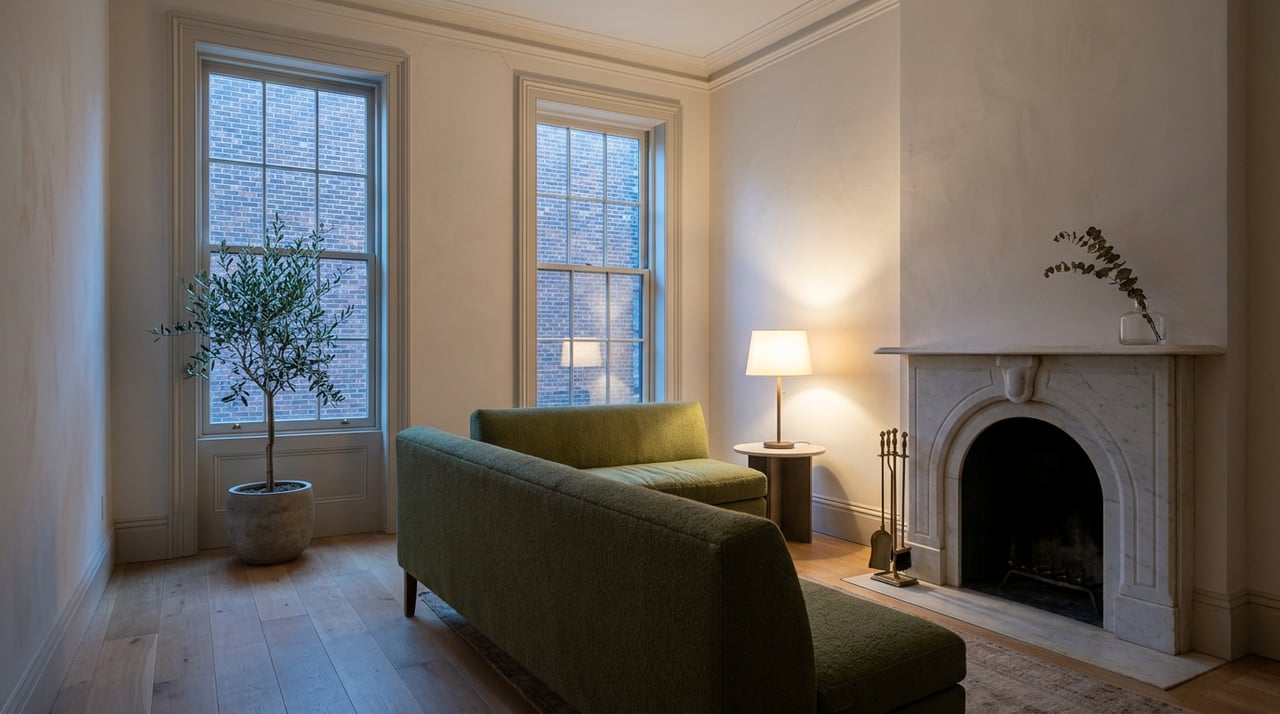
If you love character, converted warehouse buildings are the draw. Expect high ceilings, exposed brick or timber beams, and oversized windows that flood living areas with natural light. Layouts tend to be open and flexible, which is ideal for entertaining or a hybrid work setup.
Trade-offs come with the charm. Storage can be limited compared with newer construction, and some conversions still have older single-pane windows. If quiet and energy efficiency matter, ask about recent window upgrades and insulation. Also check elevator type and reliability, since some freight-style systems were adapted for residential use.
Modern waterfront condos
Newer developments along the water skew contemporary. You will often find amenity packages like concierge service, roof decks with skyline views, fitness centers, package rooms, and landscaped terraces. These buildings are designed for convenience and ease.
Budget for common charges accordingly. Waterfront properties with extensive amenities can carry higher monthly fees. If you are comparing two buildings, review their financials, capital reserves, and any history of assessments so you understand long-term costs.
Ownership and board considerations
DUMBO offers both condominiums and a handful of boutique co-ops. Each comes with different approval, financing, and subletting rules. Before you commit, review the building’s proprietary documents, sublet policies, flip taxes, and any upcoming projects noted in board minutes or engineering reports. Strong due diligence helps you avoid surprises after closing.
Daily life by the water
Parks and promenades
Brooklyn Bridge Park is your everyday backyard. The waterfront features lawns, promenades, playgrounds, and seasonal programming like outdoor movies and fitness classes. Popular spots such as Pebble Beach and Fulton Ferry Landing offer postcard views for picnics, photos, and sunset strolls.
You can run, walk the dog, or bike along the river year-round. Weekends bring crowds to the Washington Street photo spot and the park, so plan errands and leisure time with that in mind. On weekdays, you will often find a calmer, more local rhythm.
Dining, coffee, and groceries
You will have no trouble finding a great espresso or a refined dinner. DUMBO’s dining scene leans upscale, with bakeries, cafes, wine bars, and destination restaurants tucked into historic blocks. Everyday grocery choices inside DUMBO are more limited. Many residents use nearby Brooklyn Heights or Downtown Brooklyn for larger supermarkets and specialty grocers. It is a short walk or quick ride, and delivery is common.
Arts, culture, and atmosphere
DUMBO’s creative roots still shape the experience. You will see galleries, public art, and design-oriented retail mixed with tech and startup offices. Evenings are more about a glass of wine or a well-made cocktail than a late-night bar crawl. If you want a bigger nightlife scene, you will head to neighboring areas.
Crowds and tourism
Tourists flock to signature viewpoints and the park, especially on weekends and during events. Expect photography crowds, pop-up happenings, and occasional congestion on narrow cobblestone streets. Inside your home, sound comfort comes down to window systems and building insulation, so ask detailed questions during showings.
Getting around: fast links to Manhattan
Subway and ferry
DUMBO’s York Street station on the F line is the main subway link. You also have quick access to nearby stations like High Street on the A and C. For a scenic option, the NYC Ferry serves the waterfront, which can be an efficient way to reach Lower or Midtown Manhattan depending on the route and schedule.
Commute times are a core advantage. Trips to Lower Manhattan are often under 20 minutes by subway or ferry. Midtown tends to run 25 to 40 minutes or more, depending on transfers and timing.
Walking and biking across bridges
You can bike or walk over the Manhattan or Brooklyn Bridge for a direct connection to Manhattan. The Brooklyn Bridge is popular with pedestrians and visitors, while the Manhattan Bridge sees heavier bike use. Citi Bike docks and bike lanes are common, so cycling is realistic for many daily trips.
Driving and parking
Driving is possible but not always practical. Bridge approaches can snarl traffic, and street parking is extremely limited. If you plan to own a car, budget for garage fees and factor in the logistics of tight, historic streets that can challenge moving trucks and deliveries.
Key trade-offs to weigh
- Price positioning. DUMBO is a premium Brooklyn neighborhood. Expect pricing and rents above borough medians and plan budgets accordingly.
- Crowds and noise. Waterfront views and iconic streets attract visitors. Weekends near Washington Street and the park get busy. Window upgrades and floor height can help with sound.
- Flood risk. Waterfront buildings may sit in FEMA-designated flood zones. Insurance costs, building floodproofing, and elevation all matter. Review flood zone status, mitigation history, and insurance estimates before you bid.
- Cobblestones and access. The historic paving adds character but can be uneven for strollers or wheelchairs. Plan routes and footwear for comfort.
- Family logistics. DUMBO has a small residential footprint, so daycare and school seats can be competitive. Check NYC Department of Education zoning and nearby options early.
- Everyday errands. You will find boutique retail and services in the neighborhood, but you may rely on nearby areas for larger grocery runs and big-box needs.
A day in DUMBO
- Morning. Start with coffee, then head to the waterfront walkway for a sunrise jog. If you work remotely, your loft’s light-filled living area or a local co-working space sets the tone for a productive day.
- Midday. Break for lunch on a park bench with skyline views or at a neighborhood spot. Errands are on foot. You might ferry into Manhattan for a quick meeting and return with ease.
- Afternoon. Take calls from home, then grab a pastry and walk the quieter streets inland from the river. If crowds build at Washington Street, reroute through side blocks.
- Evening. Meet friends for an early dinner, then catch golden hour from a rooftop or the park. Weeknights tend to be relaxed and comfortable.
Buyer and renter checklist
- Confirm window systems, insulation, and any soundproofing upgrades in conversions.
- Review elevator type, age, and service history. Freight retrofits can vary by building.
- Examine building financials, capital reserves, and recent engineering reports.
- Understand HOA or common charges, amenity costs, and assessment history.
- Validate flood zone status, mitigation measures, and insurance estimates.
- Test commute routes in peak hours to your likely office location.
- Check internet infrastructure, HVAC systems, and heating type.
- Review sublet policies, proprietary leases, and short-term rental rules.
- For families, confirm school zoning and daycare availability.
Who thrives in DUMBO
- Design-minded buyers who value authentic loft character and light.
- Professionals who prioritize short trips to Lower Manhattan.
- Residents who use parks daily and enjoy a calmer evening scene.
- Those comfortable trading a larger suburban-style layout for a striking space in a prime waterfront setting.
What it really feels like
On a practical level, you live close to the water, with fast access to Manhattan and a park that becomes your regular hangout. Your building choice sets your daily tone. In a classic conversion, you get dramatic volume and texture, with some quirks to manage. In a modern tower, you gain amenities and smooth operations with a larger monthly footprint.
Weekends bring energy and camera flashes, which can feel lively or distracting depending on your mood and your block. If you embrace the outdoor life and plan your errands smartly, the balance works well. And when you want a change of pace, you are a quick ride or walk from almost anywhere in Brooklyn or Lower Manhattan.
If you are considering a move, we can help you weigh building-by-building realities, board requirements, and long-term costs so you buy or sell with confidence. For tailored guidance on DUMBO condos, lofts, and waterfront options, connect with the MINSKY | ABRISHAMI Team.
FAQs
What does loft living in DUMBO feel like day-to-day?
- Bright, open rooms and original details create a dramatic backdrop, while storage can be tight and sound comfort depends on window upgrades and building insulation.
How practical is commuting from DUMBO to Manhattan?
- You can reach Lower Manhattan in often under 20 minutes via the F train or ferry, with Midtown typically 25 to 40 minutes or more depending on route and transfers.
Are there enough grocery and everyday shopping options in DUMBO?
- You will find cafes and specialty shops close by, but many residents use nearby Brooklyn Heights or Downtown Brooklyn for larger supermarkets and occasional big-box needs.
How crowded does DUMBO get on weekends and evenings?
- Signature photo spots and the waterfront draw heavy weekend traffic, while weekdays feel more local; choosing a block away from hot spots can reduce noise.
What flood risks should I consider for DUMBO properties?
- Some waterfront parcels fall within FEMA flood zones, which can affect insurance costs and building requirements; review flood maps, mitigation history, and premiums before bidding.
How do building fees compare in amenity-rich waterfront condos?
- Extensive amenities can mean higher common charges; compare budgets, reserves, and assessment history to understand total monthly costs and long-term risk.
Is DUMBO walkable for daily needs without a car?
- Yes, most daily errands are on foot or by bike, and transit is strong; for larger grocery runs or specialty items, nearby neighborhoods fill the gap.
What is the difference between a historic conversion and a new tower in DUMBO?
- Conversions deliver character and volume with potential quirks like older windows or unique elevator systems, while new towers offer modern amenities and smoother operations at higher monthly costs.