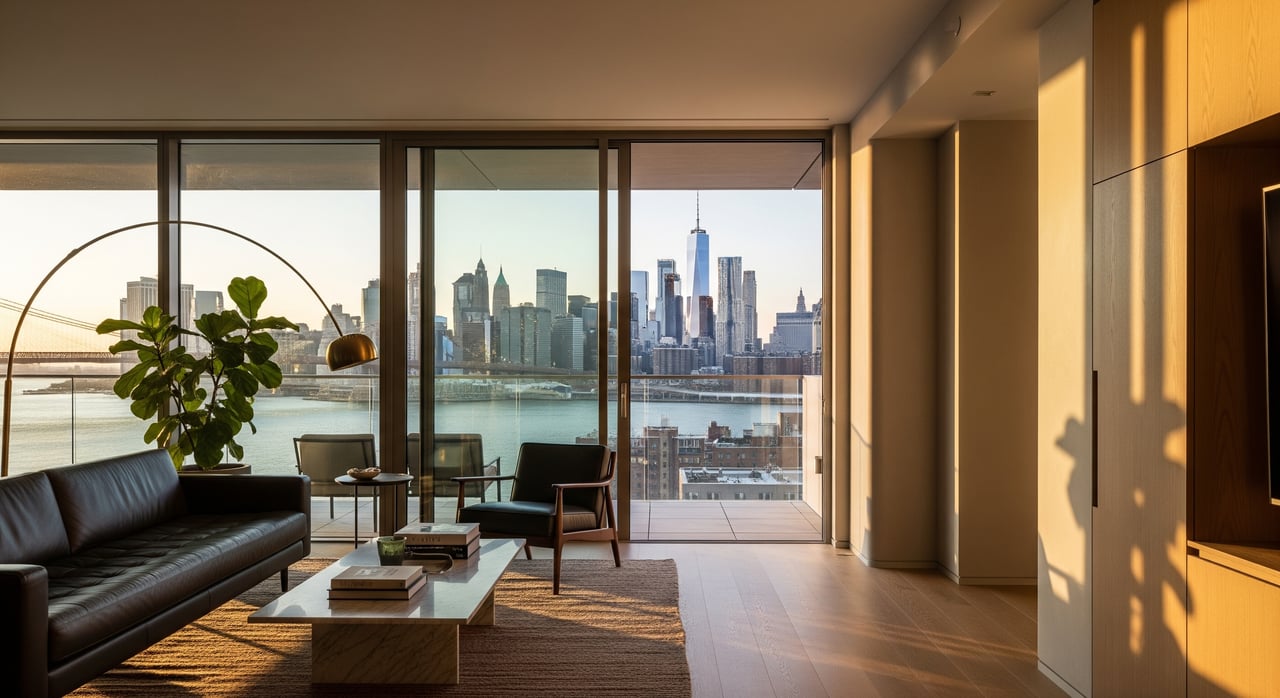
Debating between a riverfront condo on Kent Avenue or an interior home near Bedford Avenue? You are not alone. The choice shapes your daily routine, long-term costs, and how your investment performs over time. In this guide, you will learn the key tradeoffs in flood risk, insurance, carrying costs, lifestyle, and resale. Let’s dive in.
What counts as waterfront vs interior
Waterfront condos in Williamsburg cluster along the East River, especially around Kent Avenue, with newer luxury towers, amenities, and park access. Interior condos sit east of the waterfront corridor across Bedford, Driggs, and nearby streets, often in boutique buildings or mid-rise developments. Both areas are walkable and connected, but each offers a distinct mix of risk, cost, and convenience.
Environmental risk and resiliency
Flood zones and long-term exposure
Waterfront buildings face higher exposure to coastal storm surge and future sea-level rise. Before you bid, confirm the exact address on official maps. Use the FEMA Flood Map Service Center to see if the property sits in a Special Flood Hazard Area. For New York City context and scenario planning, check the NYC Flood Hazard Mapper and regional projections through the NOAA Sea Level Rise Viewer. These tools help you weigh today’s conditions against 20 to 50 years of potential change.
Insurance and lending implications
If a unit is in a mapped flood zone and you use a federally backed mortgage, flood insurance is typically required. For condos, two policies matter: the building’s master policy and your individual policy. Review what the master policy covers and where it stops. Learn the basics and request quotes early through the FEMA National Flood Insurance Program. Premiums and availability vary, so knowing your cost before you commit can prevent surprises at closing.
Building design and protection features
Newer waterfront properties often raise mechanicals and electrical panels above flood levels and harden ground floors. Older or converted buildings may not. Ask for evidence, not assumptions. Key items include an elevation certificate, as-built plans showing mechanical locations, recent floodproofing upgrades, and any documented water intrusion or claims. You can also check permits and past violations at the NYC Department of Buildings.
Cost and value tradeoffs
Purchase price and the view premium
Waterfront and view units usually command a premium. The exact number varies by building, floor, exposure, and finish. To price accurately, compare sold comps for similar line and size in the same or adjacent buildings, then adjust for exposure and condition. You can confirm recorded sales in NYC ACRIS and review market trends on well-known portals and local research sites.
Monthly carrying costs
Luxury waterfront developments often have higher common charges to support amenities such as doorman service, pools, and parking. Interior boutique buildings may have lower fees but fewer amenities and sometimes smaller reserves. Ask for recent budgets, a reserve study if available, board minutes, and a list of special assessments. These documents reveal upcoming projects and help you compare true monthly costs.
Investor lens: rent, yield, and exit
Williamsburg rents are strong overall. Waterfront buildings can achieve premium rents, while interior units near transit and nightlife can attract steady demand among younger renters. Model net yield after the purchase premium, higher HOA costs, and insurance. For resale, consider your buyer pool. Waterfront appeals to view-focused buyers, yet some may be cautious about long-term flood risk. Interior units often attract first-time buyers and investors, which can support liquidity in different market cycles.
Lifestyle and access
Views, parks, and outdoor space
If daily river views and easy access to Domino Park and the East River esplanade matter to you, the waterfront delivers. Those public spaces and the Kent Avenue bike lane elevate weekend and after-work time. Interior blocks trade views for a denser retail and cafe experience.
Commute: subway and ferry
Interior Williamsburg tends to be closer to the L train and to J/M/Z stations near Marcy Avenue, which can shorten door-to-door times. The waterfront adds minutes to reach subways but gains fast ferry access on the East River route. Compare routes with MTA subway resources and the NYC Ferry to see which door-to-door trip fits your routine.
Nightlife and daytime rhythm
The Bedford Avenue corridor is the historical hub for restaurants, shops, and music venues. That energy can mean more evening foot traffic and noise. Waterfront blocks have a growing scene and event programming at parks, with a bit more evening calm between clusters. Visit at different hours to gauge your comfort with the soundscape.
Parking and car access
Waterfront developments are more likely to offer on-site parking for a fee, while interior buildings vary by age and lot size. If parking matters, verify availability and monthly costs early, since spaces are limited.
Which option fits your goals
- Choose the waterfront if you prioritize views, new construction amenities, parks and ferry access, and you are comfortable underwriting flood risk and higher carrying costs.
- Choose the interior if you value price efficiency per square foot, subway proximity, and a more traditional boutique building experience, and you want to limit flood-related exposure.
There is no one-size answer. Match your time horizon, risk tolerance, and daily routine to the building, not just the block.
Buyer due diligence checklist
Before you write an offer, gather and verify:
- Flood details: FIRM map status from the FEMA Flood Map Service Center, local context from the NYC Flood Hazard Mapper, and long-term exposure via the NOAA Sea Level Rise Viewer.
- Insurance: Master policy wording, flood coverage limits, and personal quotes through the FEMA National Flood Insurance Program and private carriers.
- Building health: Reserve study, recent budgets, special assessments, and 12–24 months of board minutes.
- Compliance: Permits and violations from the NYC Department of Buildings.
- Elevation and systems: Elevation certificate, location of mechanicals and electrical panels, and any flood-mitigation upgrades.
- Market comps: Recorded sales in NYC ACRIS and recent listing activity from recognized market research sources.
- Inspections: Structural and mechanical inspections, with attention to slab, drainage, and system elevations.
Seller considerations in each location
For waterfront sellers, highlight resiliency upgrades, current insurance structure, and any flood-mitigation projects that reduce risk. For interior sellers, emphasize transit access, carrying cost efficiency, and recent capital improvements. In both cases, value is driven by precise comps, thoughtful presentation, and clear documentation of building health. Premium marketing and disciplined pricing can reduce days on market and protect your net.
Next steps
The right choice depends on your routine, your risk tolerance, and your time horizon. If you want a clear plan, we can help you compare address-specific flood maps, estimate insurance and carrying costs, and benchmark real comps. For a tailored strategy or a discreet valuation, connect with the MINSKY | ABRISHAMI Team.
FAQs
Do waterfront condos always cost more in Williamsburg?
- Generally yes, view and waterfront premiums are common, but verify exact pricing with recent sold comps by line, floor, and exposure.
Will I need flood insurance for a Williamsburg waterfront condo?
- If the unit is in a Special Flood Hazard Area and you use a federally backed mortgage, flood insurance is typically required.
How do ferry and subway commutes compare in Williamsburg?
- Interior addresses may be closer to the L and J/M/Z lines, while waterfront homes can benefit from the NYC Ferry for certain routes.
Are interior condos quieter than waterfront options?
- It depends on the block and hour. Interior areas near Bedford can be lively at night, while waterfront parks and events can add activity on certain days.
What documents should I request before making an offer?
- Ask for the offering plan, reserve study, recent budgets, board minutes, master and flood insurance details, elevation certificate, permits and violations, and recorded sales comps.