Trying to choose between a Greenpoint townhouse and a duplex? The right call can shape your daily routine, monthly costs, and long-term returns. You want space that fits your life without surprises at closing or during renovations. In this guide, you’ll learn how each option works in NYC terms, how Greenpoint’s housing mix plays into the decision, and what due diligence to complete before you buy or sell. Let’s dive in.
What “townhouse” and “duplex” mean in Greenpoint
Before you compare, make sure you are looking at the same property types.
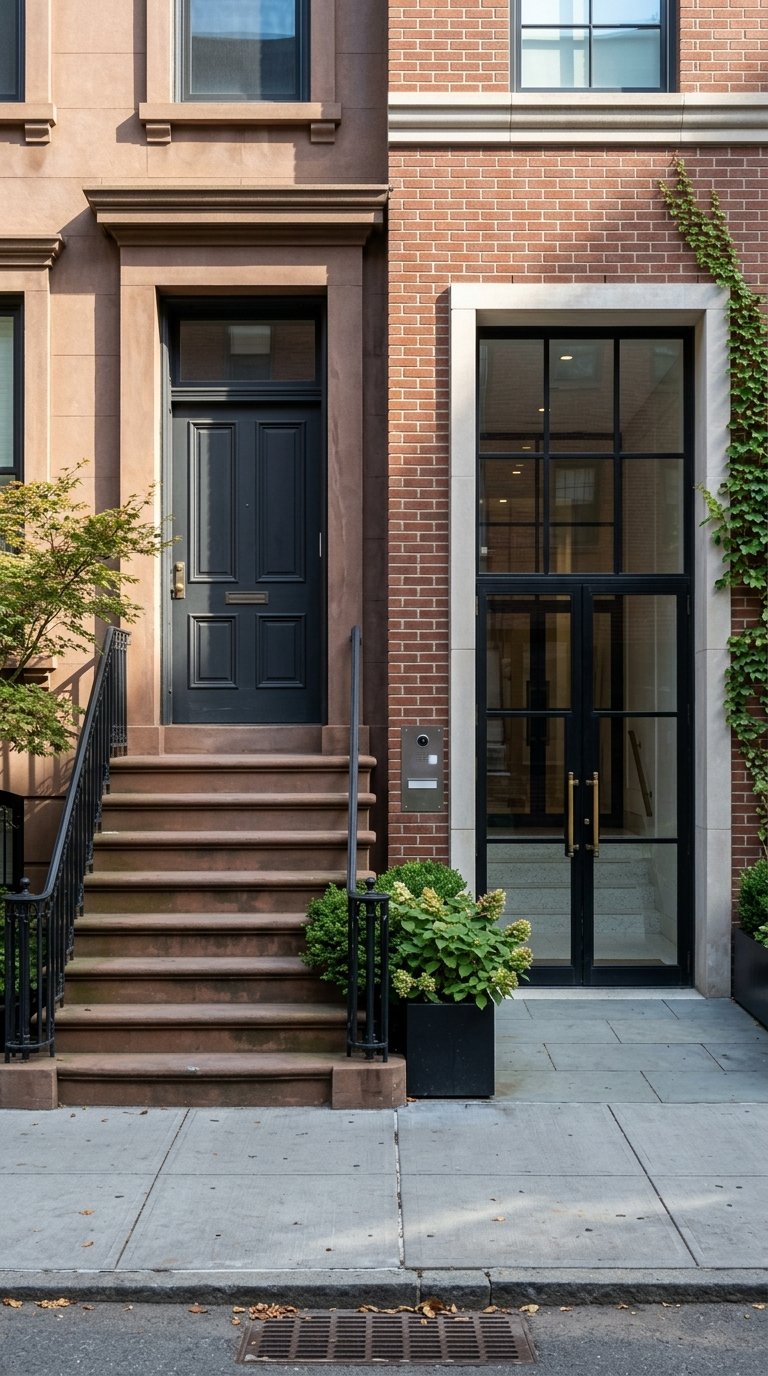
- Townhouse: A multi-floor, vertically oriented home with its own street entrance. In Brooklyn, this includes 19th-century rowhouses and attached homes. Ownership is often fee-simple, so you own the building and the land. Some townhouses are single-family, while others are 2–3 family properties. As an owner, you are responsible for the exterior, roof, and lot.
- Duplex: In local usage, this can mean two different things:
- A two-level residence inside a larger building, usually a condo or co-op, with shared common areas and building services.
- A two-family house that contains two separate units. In this case you own the whole building.
Most Greenpoint buyers comparing “townhouse vs duplex” are weighing a fee-simple townhouse against a two-level condo or co-op apartment. The choice affects financing, approvals, monthly costs, and how you can renovate or rent.
How Greenpoint shapes your choice
Greenpoint blends historic rowhouses with loft conversions and modern waterfront buildings. That mix means you will find renovated townhouses on tree-lined blocks and duplex apartments in newer or converted buildings. Townhouses are relatively scarce compared with apartment inventory, which can make them premium, longer-hold assets. Duplex condos and co-ops tend to offer modern finishes and building amenities, and they often move faster on the market.
Micro-location matters. Proximity to the G train, ferry service, buses, parks, and shops can tilt demand toward duplexes with amenities or toward townhouses with private outdoor space. If commuting convenience is your top priority, a duplex in a full-service building may fit better. If you crave privacy and a yard, a townhouse may win.
Townhouse vs duplex: key differences
Living experience and layout
- Townhouse: Private entrance, vertical living, and multiple floors allow separation of bedrooms and living areas. Expect more stairs and, in older homes, room-by-room layouts unless renovated.
- Duplex apartment: Two-level living with open plans is common. You share walls and common spaces, but you avoid exterior maintenance. Some duplexes are on higher floors with elevator access.
Outdoor space and privacy
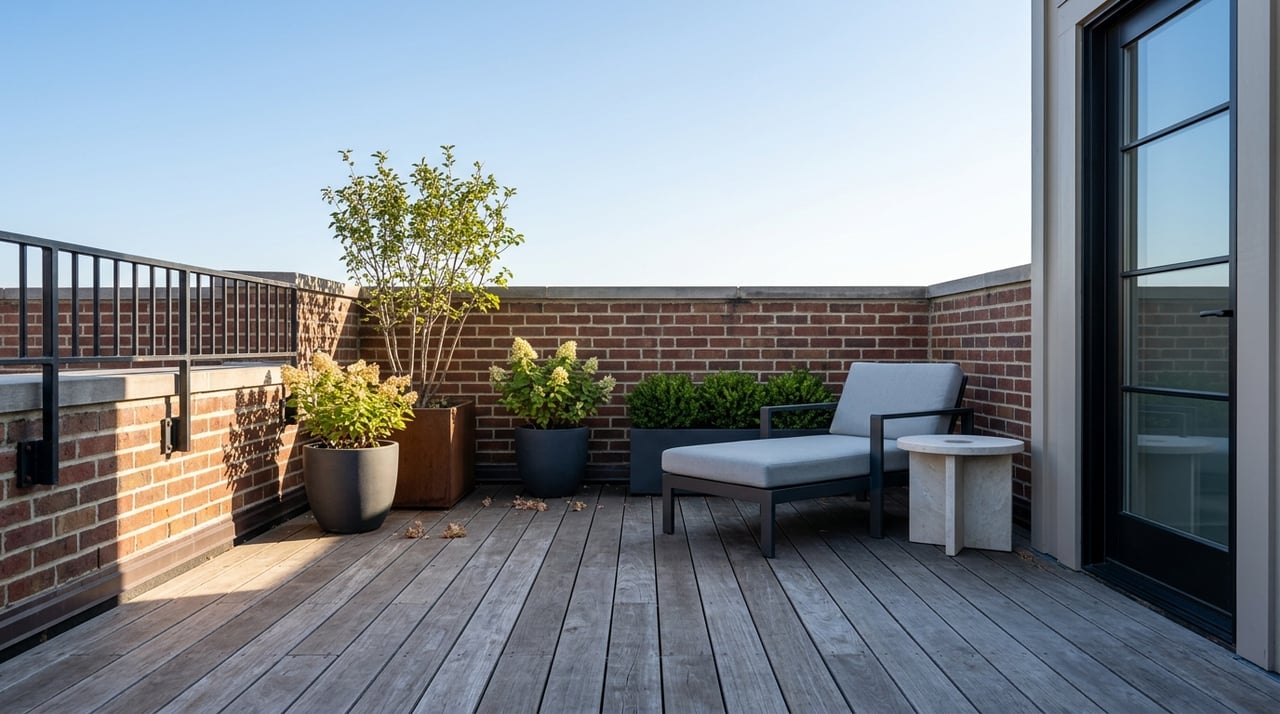
- Townhouse: Often includes a yard, roof rights, or a stoop. More control over outdoor areas and higher privacy.
- Duplex apartment: May offer a balcony or terrace. Outdoor space is usually smaller and governed by building rules.
Maintenance and monthly costs
- Townhouse: You handle exterior, roof, systems, and capital projects. Costs are variable and require reserves.
- Duplex condo/co-op: You pay common charges or maintenance fees that cover building systems, exterior upkeep, and reserves. Monthly costs are predictable, but assessments can occur.
Financing and closing timeline
- Townhouse: Financing resembles a single-family mortgage. Lenders scrutinize condition, especially for older structures. Down payments are often 20 to 25 percent for owner-occupants, higher for investments.
- Condo duplex: Lenders evaluate building financials, reserves, and owner-occupancy ratios. Documentation can be extensive.
- Co-op duplex: Board approval is required and adds time. Expect a detailed application and interview before closing.
- Two-family townhouse: Lenders may underwrite rental income and require higher down payments.
Taxes and assessments
- Townhouse: One property tax bill for the parcel. Budget for potential increases.
- Condo/co-op duplex: You pay your share of taxes plus common charges or maintenance. HOA budgets can rise and lead to assessments.
Rental potential and rules
- Townhouse: If multi-family, renting separate units can be straightforward. Existing tenants and rent histories matter, and NYC rent laws can limit rent changes and screening options. Always review HPD records and tenant documentation.
- Condo/co-op duplex: Condo bylaws often permit leasing with rules. Co-ops commonly restrict sublets and require board approval. Many NYC buildings limit short-term rentals.
Resale and liquidity
- Townhouse: Scarcer supply and strong street appeal can support long-term appreciation. Resale depends on condition, layout, and finishes. Preparing to sell may require capital projects.
- Duplex apartment: Broader buyer pool and more predictable comps can lead to faster resales, especially in well-run buildings.
Renovation potential and approvals
- Townhouse: Greater freedom to reconfigure interiors and explore vertical or rear expansions, subject to zoning and Department of Buildings approvals. Timelines and costs can be significant.
- Duplex apartment: Internal, non-structural work is often simpler. Structural or exterior changes require condo or co-op approval plus DOB permits. Co-ops typically have stricter rules.
Accessibility and future-proofing
- Townhouse: Stairs on every level can be challenging to retrofit. Plan for stair solutions if long-term accessibility is important.
- Duplex apartment: Elevator buildings may reduce daily stairs, depending on unit layout.
Energy, utilities, and building systems
- Townhouse: Older mechanicals may need upgrades. Utility meters may be separate by unit in multi-family buildings.
- Duplex apartment: Newer buildings often have more efficient systems. Utilities may be included in fees or separately metered.
Costs at a glance
- Purchase price: Townhouses often command a premium because you own land. Duplexes can be a lower-cost entry to the neighborhood.
- Ongoing costs: Townhouse costs vary and can be higher in certain years. Duplexes have predictable fees, but assessments may arise.
- Time and involvement: Townhouse ownership is more hands-on. Duplex ownership is more set-and-forget, guided by the HOA or co-op board.
Who each option fits
- Best fit for a townhouse: You want private outdoor space and full control of the property. You value character, storage, and the option to expand or reconfigure. You are comfortable managing contractors and capital projects.
- Best fit for a duplex apartment: You prefer lower-maintenance living with building amenities and predictable costs. You want two-level living near transit and an easier path to resale. You are comfortable with building rules and approvals.
Buyer due diligence checklist
Use this quick checklist before you make an offer:
- Confirm property type and ownership: fee-simple townhouse, condo duplex, co-op duplex, or 2–3 family.
- Review title and taxes through NYC Department of Finance and ACRIS records.
- Pull Department of Buildings permits, violations, and Certificate of Occupancy. Confirm unit legality, especially for any basement or below-grade space.
- For co-ops: analyze board bylaws, financials, flip tax, and sublet rules. Review the proprietary lease.
- For condos: review the offering plan, bylaws, financials, and reserve study.
- If there is rental history: obtain tenant leases, HPD registrations, and any rent-stabilization documentation.
- Order a full home inspection covering structure, roof, moisture, plumbing, electrical, HVAC, and potential hazardous materials in older buildings.
- Check zoning and FAR to understand expansion potential or accessory unit options.
- Secure a pre-approval that fits the property type, especially for 2–3 family financing.
- Compare insurance quotes for townhouse vs condo/co-op coverage.
Seller pre-listing checklist
Position your property for a clean sale and stronger pricing:
- Confirm legal unit count and clear title. Resolve open DOB violations before listing if possible.
- Gather tax maps, utility meter details, and renovation records with permits.
- For condo/co-op listings: provide building financials and relevant bylaws or house rules.
- Price with comps that match your ownership type. Townhouses and condo duplexes live in different comp sets.
- Complete light repairs, declutter, and refresh kitchens and baths if practical for the Greenpoint market.
Zoning, landmarks, and approvals
Your plans depend on parcel-specific rules. In Greenpoint, zoning controls lot coverage, FAR, and use. Many townhouse exteriors near landmarked buildings may require Landmarks Preservation Commission review for exterior changes. Expect Department of Buildings permits for most meaningful work. Confirm details with an architect or engineer familiar with Brooklyn projects.
Timing and process differences
Co-op purchases can take longer due to the board package and interview. Condo and townhouse closings can move faster with clean title and organized financing. Renovations, especially in townhouses, can run months or longer and must follow DOB requirements and building rules where applicable.
A simple decision framework
Use these steps to clarify the best fit:
- Rank your must-haves: private outdoor space, layout, accessibility, or amenities.
- Map your monthly budget including taxes, fees, reserves, and a repair contingency.
- Choose your tolerance for renovations and building approvals.
- Align financing with the property type and timeline, especially for co-ops or multi-family.
- Validate block-by-block factors in Greenpoint, like proximity to transit and parks.
If you want a private entrance, outdoor space, and full control, a townhouse likely suits you. If you prefer lower maintenance, modern finishes, and predictable costs in a great location, a duplex apartment may be the smarter move.
Ready to explore listings or pressure-test your plan with local comps and board rules? Connect with the MINSKY | ABRISHAMI Team for tailored guidance in Greenpoint.
FAQs
What is the difference between a Greenpoint townhouse and a duplex?
- A townhouse is a fee-simple, multi-floor house with its own entrance, often with outdoor space. A duplex is either a two-level condo or co-op unit or a two-family house with two separate apartments.
Are Greenpoint duplexes usually condos or co-ops?
- Many duplexes are inside condo or co-op buildings, which means shared ownership of common areas, building rules, and monthly fees that cover building maintenance and reserves.
How do monthly costs compare for a townhouse versus a condo duplex in Greenpoint?
- Townhouse costs vary because you handle all repairs and capital projects. Condo duplex owners pay common charges plus taxes, which are predictable monthly costs but can include occasional assessments.
Can I rent out part of a Greenpoint townhouse or a duplex unit?
- Townhouse owners may rent legal units, but existing tenants and rent regulations apply. Condo bylaws often allow leasing with rules, while co-ops usually have stricter sublet policies and require board approval.
How long do closings take for townhouses vs co-ops in Greenpoint?
- Townhouse and condo closings can be faster with clear title and financing. Co-ops require board approval and an interview, which typically lengthens the timeline.
What approvals do I need to renovate a Greenpoint townhouse or duplex?
- Townhouse renovations generally require Department of Buildings permits, and some exterior work may need Landmarks review. Duplex renovations in condos or co-ops also require board approvals before DOB permits.